Is There a New Way to Lose Weight During Menopause?
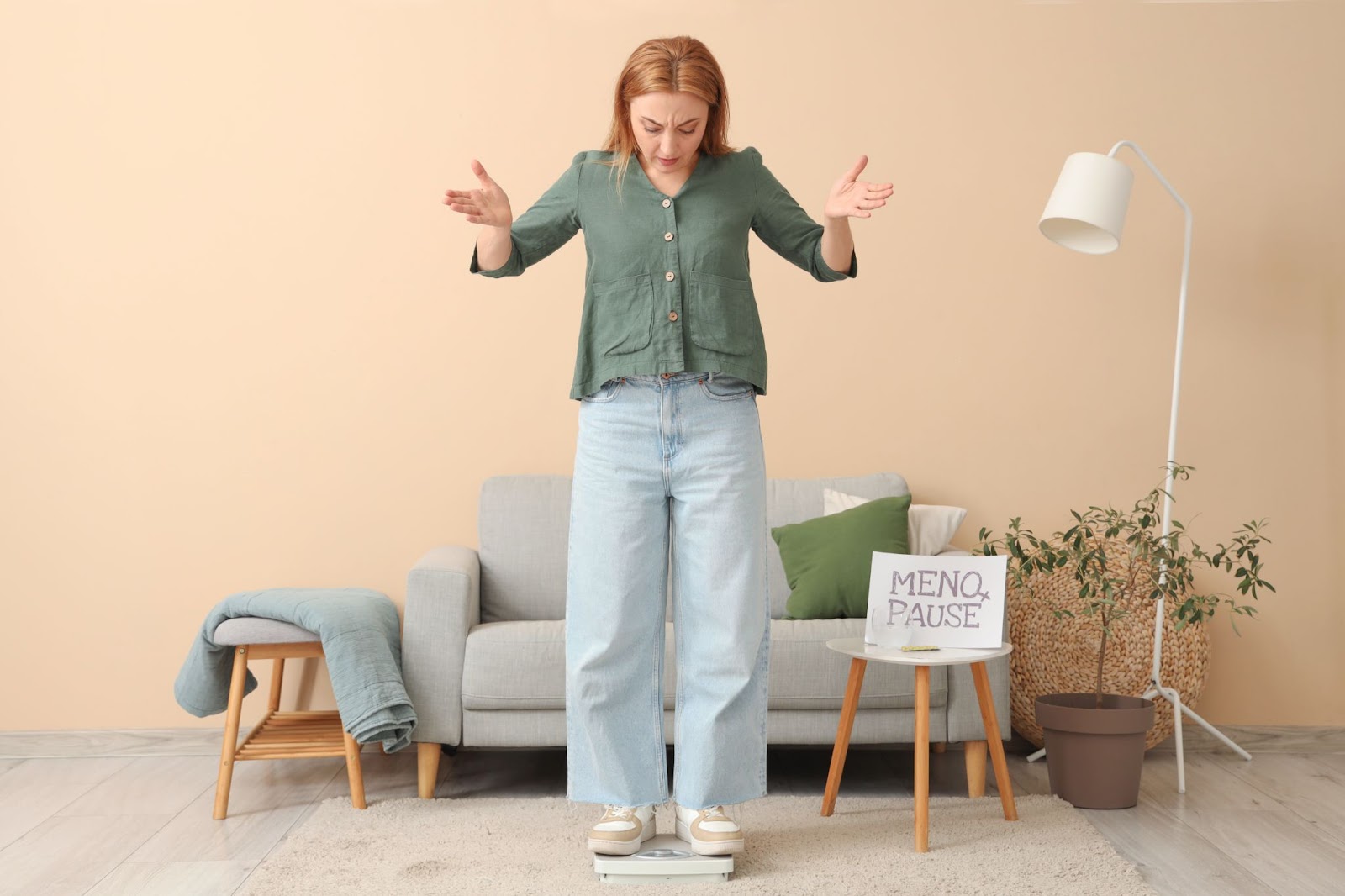
Menopause marks a significant chapter in a woman’s life, but for many, it is accompanied by the unwelcome and often stubborn challenge of weight gain. Fat that suddenly accumulates around the waist, stomach, and hips can be a source of immense frustration, particularly when tried-and-tested diet and exercise plans no longer seem to work. As more women across the UK seek effective solutions, new scientific research and promising medical treatments are coming to the forefront, offering fresh hope. Are we finally seeing a breakthrough for managing weight as menopause begins?
The Menopausal Weight Challenge: What the Numbers Say
The scale of the issue in the UK is significant. Data from multiple health bodies show that between 50% and 70% of women gain weight during the menopausal transition. This often equates to an average annual gain of 1.5kg, which can add up to nearly a stone by the end of the menopause period. More concerning than the number on the scales is where this weight settles. The shift towards abdominal fat not only alters a woman’s shape but also significantly increases the risk of serious health conditions. According to the NHS, this type of visceral fat is linked to a higher likelihood of developing heart disease, type 2 diabetes, and certain types of cancer.
At the heart of these changes are fluctuating hormones, primarily the decline in oestrogen. Research consistently shows that as oestrogen falls, visceral fat rises, shifting from 5–8% of a woman’s total body weight before menopause to as much as 15–20% afterwards. This hormonal shift is compounded by a natural loss of muscle mass, which slows the metabolism and makes it progressively harder to burn calories efficiently, a fact highlighted in many UK public health reports on midlife women’s health.
Why Does Midlife Weight Gain Happen?
Several interconnected factors make losing weight during and after menopause a unique challenge. Understanding them is the first step towards finding a solution that works.
- Metabolic Slowing: With age and lower oestrogen, women naturally lose lean muscle mass. This can result in a lower basal metabolic rate by as much as 250–300 kcal per day. In simple terms, the body needs fewer calories to function, so maintaining the same eating habits can lead to gradual weight gain.
- Fat Redistribution: Hormonal changes actively redirect where the body stores fat. Fat migrates from the hips and thighs to the stomach, creating the ‘apple’ shape that is associated with higher health risks. This visceral fat, stored deep within the abdomen, is notoriously more difficult to shift than subcutaneous fat.
- Lifestyle Factors: Midlife is often a busy period, and many women find they engage in less physical activity and adopt different eating patterns than in their younger years. Stress and poor sleep, both common symptoms of menopause, can also disrupt appetite-regulating hormones, leading to cravings for high-calorie foods.
- Dietary Concerns: National surveys show that dietary habits among this age group can be a contributing factor. Only about a third of women consume the recommended five portions of fruit and vegetables a day, while intake of fibre and iron often falls below government recommendations, as noted by the British Menopause Society’s nutrition guidelines.
Traditional Approaches: Diet, Exercise and Willpower
For years, the advice for menopausal weight management has centred on conventional lifestyle adjustments. The British Dietetic Association (BDA) confirms that a diet rich in whole grains, fruits, vegetables, lean proteins, and healthy fats can help manage symptoms and support a healthy weight.
In particular, a Mediterranean-style diet, which includes plenty of vegetables, whole grains, nuts, seeds, and oily fish, is frequently recommended by experts for its benefits in managing menopausal symptoms and promoting sustainable weight loss. This is not about restrictive dieting but fostering a balanced, long-term approach to eating, as detailed in the BDA’s guidance on nutrition during menopause.
Exercise is the other cornerstone of traditional advice. Strength training helps protect against the loss of muscle that drives a slower metabolism, while regular cardiovascular activities like brisk walking, swimming, or cycling are crucial for burning abdominal fat and protecting heart health. However, despite their best efforts with diet and exercise, many women still find the scales refuse to budge, which has fuelled the search for medical interventions.
A Look at Emerging Medical Treatments
While lifestyle changes remain fundamental, there is growing acknowledgement that they are not always enough. This has opened the door to new medical therapies, including medications originally developed for type 2 diabetes that have shown remarkable effectiveness for weight loss.
While many effective routes exist for managing weight during menopause, from dietary changes to hormone replacement therapy, some women in the UK are turning to newer medical treatments for more significant and faster results. One such treatment, Mounjaro (the brand name for tirzepatide), has gained considerable attention for delivering impressive outcomes in clinical trials. This is not presented as a universal solution, but as a reflection of a developing trend in weight management for those who find that lifestyle changes alone are not enough. For individuals looking into these modern options, understanding the detailed process of how Mounjaro works in the body to support weight management can provide valuable insight into its mechanisms.
A recent landmark study found that postmenopausal women using both tirzepatide and hormone therapy achieved superior weight loss, shedding an average of 17% of their total body weight, compared to 14% for those on the medication alone. Nearly half the women on the combined therapy lost over 20% of their initial weight. UK data reinforces these findings, with other studies showing an average weight loss on tirzepatide reaching 15–22% after 72 weeks when combined with a healthy lifestyle. Medical experts, however, are quick to stress that these drugs are a tool, not a magic cure, and are most effective as part of a comprehensive management plan prescribed by a GP or specialist.
What the Experts Say
Medical professionals unanimously agree that a holistic approach is non-negotiable. Dr. Regina Castaneda of the Mayo Clinic, a lead author on recent research, states, “Menopausal weight gain is a complex issue driven by hormonal changes, lifestyle, and age. While new medications show promise, they are part of a wider strategy that must include diet, exercise, and psychological wellbeing”.
This sentiment is echoed by registered dietitians. The BDA advises against extreme or restrictive fad diets, stating: “Focus on balance, fibre, and regular meals. Any approach that encourages lifelong healthy eating is most likely to succeed”.
Experts also now emphasise the significant psychological dimension of midlife weight gain, stressing that long-term success often depends on moving away from a fixation on the number on the scales. Instead, the focus should shift to how nutrition can actively improve bone density, protect heart health, and maintain muscle mass—areas all impacted by menopause. This perspective suggests that the best menopause diet should focus on health and energy rather than losing weight and helps women avoid the harmful cycle of restrictive dieting and subsequent weight regain. Ultimately, it fosters a mindset of self-compassion and body image resilience, which are now considered crucial components of any successful health plan during this life stage.
Conclusion: Real Change—With Realistic Expectations
So, is there a new way to lose weight during menopause? The answer is a qualified and hopeful yes. There are undeniably promising developments, particularly in medical treatments that offer results previously thought unattainable for many women.
However, these powerful new tools are most effective when they are integrated into the timeless foundations of healthy living: a balanced diet, regular physical activity, and patient self-care. The future for women navigating this transition looks brighter, with more personalised choices and better guidance available.
Key points for UK women to consider:
- Weight gain during menopause is extremely common and driven by powerful biological changes.
- A slower metabolism and a shift in fat storage to the abdomen are the primary culprits.
- A balanced diet and consistent exercise, especially strength training, remain essential.
- New medications like tirzepatide are showing significant promise but should only be used under medical supervision as part of a holistic plan.
- Seeking support from a GP or registered dietitian can help create a tailored approach that meets individual health needs.
This is a collaborative post.