3 Upgrades That Will Make Your Home Cost Less to Run
With energy prices remaining high and household budgets under pressure, many homeowners are looking for practical ways to reduce their monthly outgoings. While cutting back on day-to-day spending can help, making a few strategic improvements to your home can often have a much bigger impact over the long term.
The good news is that lowering the cost of running your home doesn’t always require a major renovation. From improving energy efficiency to generating your own electricity, there are several upgrades that can help reduce utility bills while making your home more comfortable throughout the year.
Here are three home improvements that could help you save money in the long run.
Home Upgrades That Can Help Reduce Your Household Bills
Improve Your Home’s Insulation
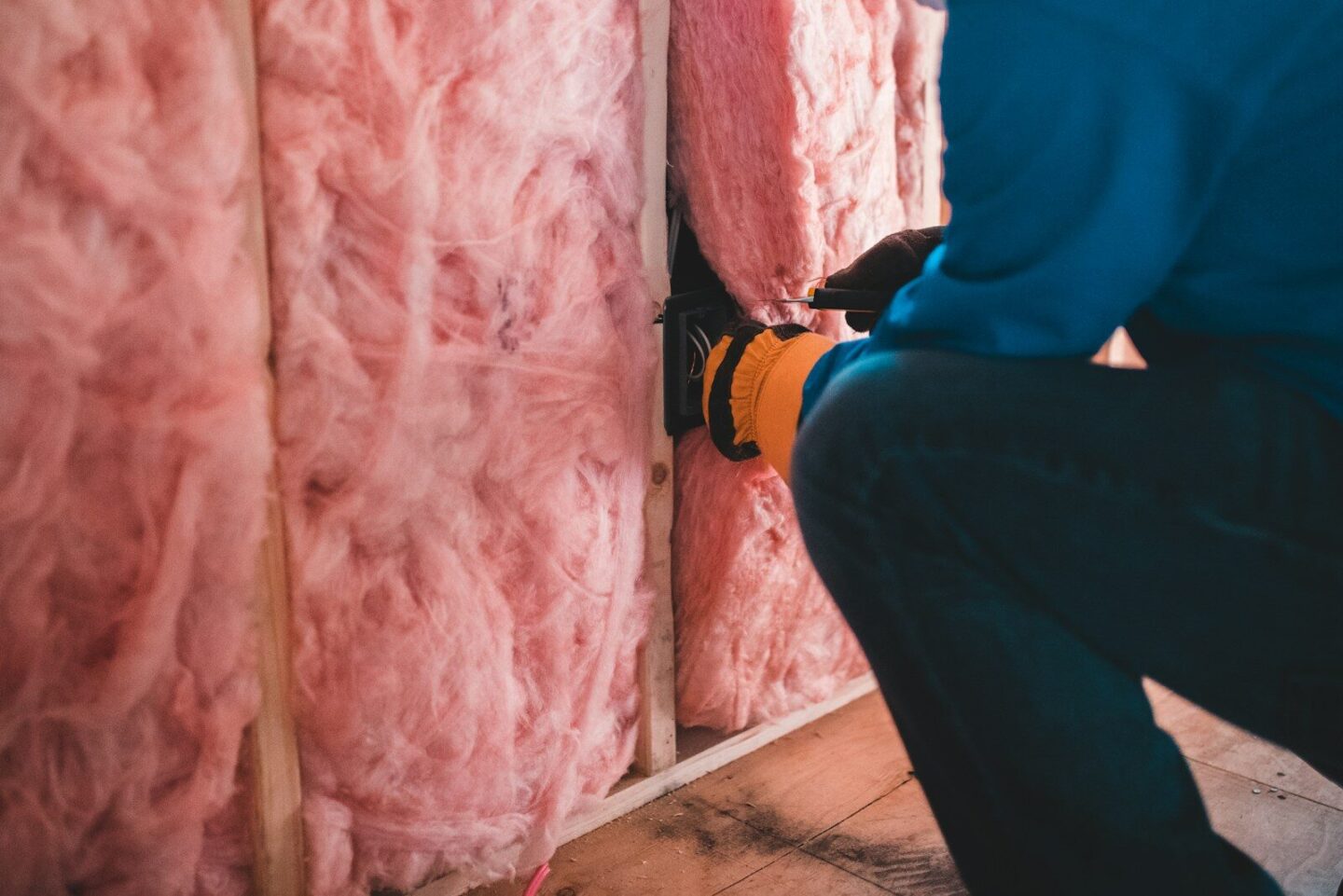
One of the most effective ways to reduce energy waste is to improve your home’s insulation. If your loft, walls, floors, doors or windows allow heat to escape, your heating system has to work much harder to maintain a comfortable temperature.
Adding or upgrading insulation can significantly reduce heat loss during the colder months, while helping to keep your home cooler in summer. Simple measures such as draught-proofing doors and windows can also make a noticeable difference without costing a fortune.
Better insulation not only helps lower your energy bills, but it can also make your home feel warmer, more comfortable and less prone to draughts all year round.
Consider Solar Panels
More homeowners are exploring the benefits of solar installation to reduce their reliance on the grid and protect themselves against rising energy costs.
While there is an upfront investment involved, solar panels can generate electricity for decades, helping to lower household energy bills over time. Many systems can also be paired with battery storage, allowing you to use more of the electricity you generate yourself.
In addition to the potential savings, solar panels can improve your property’s energy efficiency rating and may make your home more attractive to future buyers. As technology continues to improve and energy prices fluctuate, renewable energy solutions are becoming an increasingly appealing option for many households.
Upgrade Your Heating System
Heating accounts for a large proportion of the average household’s energy usage, so ensuring your system operates efficiently can lead to significant savings.
If your boiler is more than 10 to 15 years old, it may be worth considering an upgrade to a newer, more efficient model. Alternatively, heat pumps are becoming increasingly popular as a lower-carbon heating solution, particularly as government incentives continue to encourage their adoption.
Smart thermostats and heating controls can also help reduce unnecessary energy use. These systems allow you to schedule heating around your routine, adjust temperatures remotely, and avoid wasting energy heating empty rooms.
Although upgrading your heating system may require an initial investment, the long-term savings and improved efficiency can make it a worthwhile improvement.
Reducing the cost of running your home often starts with making your property more energy efficient. Whether you focus on improving insulation, investing in renewable energy, or upgrading your heating system, even small changes can add up to meaningful savings over time.
The right improvements will depend on your budget, the age of your property, and your long-term plans, but taking steps now could help lower your bills and make your home more comfortable for years to come.
Have you made any energy-saving upgrades to your home recently? Which improvement do you think offers the best return on investment? Let us know in the comments below.
This is a collaborative post.