Supporting Your Teen’s Journey to Driving Independence
Your teen’s first driving lessons mark a major shift in family life, and the practical details can feel as significant as the milestone itself. Lessons, practice time, a suitable car and black box insurance all need careful thought. Your support can help your teen build sound judgment while gradually taking responsibility for the decisions that come with driving.
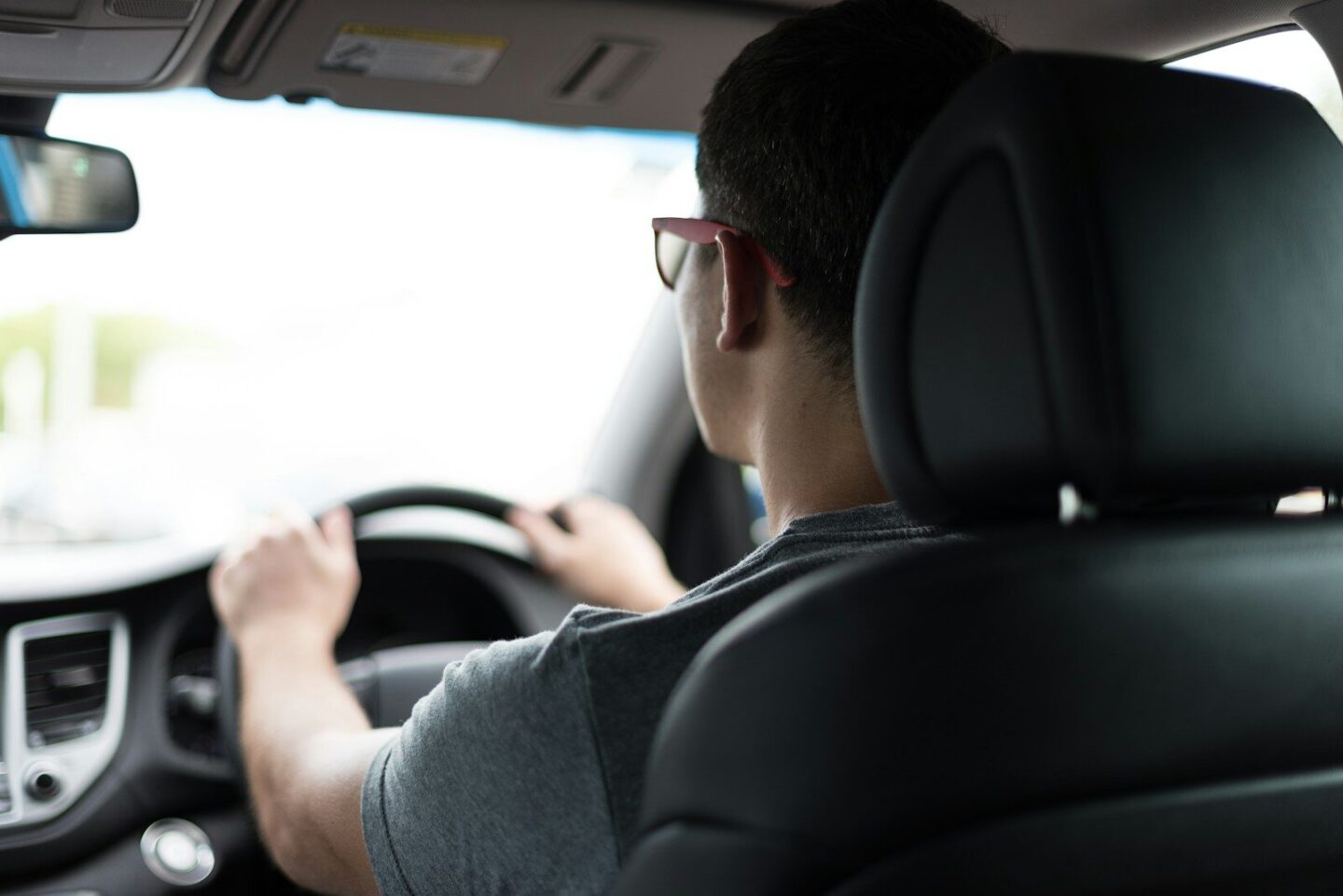
Navigating Early Driving Lessons
Start by checking the rules for learner drivers where you live, including permit requirements, supervised practice hours and restrictions on passengers. Book a qualified instructor once your teen is legally ready. Professional lessons provide structured instruction, while family practice gives them time to repeat those skills in familiar surroundings.
Before the first session, sort out documents, suitable clothing and any eyesight requirements. This learner driver preparation guide provides a useful checklist for reducing last-minute stress.
Keep early family practice short. A quiet 20-minute drive around a familiar neighbourhood will usually be more productive than an hour in heavy traffic. Begin with seating position, mirror checks, smooth braking and basic turns. Empty parking areas can be useful for learning how the car responds, provided driving practice is permitted there.
Agree on how you’ll communicate before setting off. Use brief directions such as “turn left at the next intersection” and give plenty of notice. If a mistake happens, ask your teen to pull over safely before discussing it. A stream of instructions can overwhelm a new driver who is already processing road signs, vehicle controls and other traffic.
After each drive, identify one thing that improved and one skill to revisit. This keeps feedback specific and manageable.
Choosing the Right First Car
A first car should be easy to control, affordable to run and suitable for the trips your teen will actually make. A compact vehicle may work well for school, work and local errands, but boot space or regular highway travel could change what your family needs.
Set a full budget before viewing cars. The purchase price is only one part of the cost. Include insurance, registration, routine servicing, tyres, fuel and unexpected repairs. If your teen will contribute, agree on a clear monthly amount so they understand the ongoing commitment.
Safety deserves close attention. Compare independent crash-test ratings and look for helpful features such as electronic stability control, automatic emergency braking and a reversing camera. Good visibility also matters. A car with thick pillars, a long hood or limited rear visibility may be harder for an inexperienced driver to position confidently.
For a used vehicle, request its service records and history report. Arrange an inspection with a qualified mechanic who has no connection to the seller. During a test drive, check the brakes, steering, warning lights and tyre condition. Your teen should also sit in the normal driving position to confirm that they can reach the pedals comfortably and see clearly in every direction.
Avoid choosing based mainly on appearance. A modest, well-maintained car with predictable handling often makes a much better learning environment.
Smart Insurance for New Drivers
Request insurance quotes before buying a car because vehicle type, value and repair costs can have a large effect on the premium. Give each insurer accurate information about the main driver, expected mileage, parking arrangements and typical use. Incorrect details may cause problems if your family later needs to file a claim.
Telematics policies are one option to compare. Black box insurance for learner and young drivers uses driving data to assess habits and provide personalised premiums for eligible young motorists. Depending on the policy, factors such as speed, braking, acceleration or mileage may be recorded. Read the terms carefully with your teen so everyone understands what data is collected and how it may affect the price.
Compare more than the headline premium. Check the deductible, coverage limits, exclusions and charges for changing a vehicle or updating personal details. Ask how a claim could affect future premiums and any no-claims discount. If the policy has mileage limits, estimate annual use realistically by adding regular school or work trips to weekend driving.
Involving your teen in these comparisons turns insurance into a useful lesson in financial responsibility. Show them two or three complete quotes and discuss why the cheapest one may provide less suitable coverage. Decide in advance who will pay the premium, deductible and routine vehicle costs. Written expectations can prevent disagreements once the car becomes part of daily life.
Encouraging Safe Driving Habits
Set family driving rules before your teen begins taking solo trips. Risks include speeding, distraction, limited experience and carrying teenage passengers. Local laws may already restrict some activities, but family expectations can be more specific.
Your agreement might cover phone storage, passenger limits, nighttime driving and use of the car in poor weather. A phone can go in the glove compartment or connect to a hands-free navigation system before the car moves. If a message needs attention, your teen should park in a legal, safe location first.
Model the behaviour you expect. Keep to speed limits, leave enough following distance and avoid handling your phone at traffic lights. Teens notice contradictions between a parent’s instructions and daily habits.
You can also teach your teen to plan before every trip. They should check the route, allow enough time and look at the weather. Running late can encourage rushed decisions, especially when a new driver is worried about school or work. A five-minute time buffer helps remove that pressure.
Family conversations should remain calm and practical. Keep your rules visible and review them after a few months as your teen gains experience.
Building Confidence Behind the Wheel
Confidence grows through repeated practice in gradually more demanding situations. Plan a simple progression that starts on familiar streets, then introduces busier intersections, higher-speed roads, parking garages and night driving. Include rain or other difficult conditions only when your teen has enough basic control and a calm, experienced supervisor beside them.
Repeat routes for a purpose. For example, drive the route to school several times at quiet hours before attempting it during the morning rush. Practice entering the parking area, choosing the correct lane and handling the busiest intersection. Familiarity lowers the mental load and leaves more attention available for other road users.
Teach recovery skills too. Missing a turn is a normal event, not a reason to make a sudden lane change. Your teen should continue safely, find a suitable place to adjust the route and accept a small delay. The same principle applies to stalling, choosing the wrong exit or struggling with a parking space.
Let your teen evaluate each practice drive first. Ask what felt comfortable, where they felt rushed and what they would do differently next time. Their answer may reveal concerns you didn’t notice from the passenger seat.
As independent driving begins, keep check-ins proportionate. Agree on practical details such as the destination and expected return time without demanding constant updates while the car is moving. The most useful sign of progress will be your teen making calm choices even when plans change, traffic builds, or a turn goes wrong.
Driving independence arrives through many ordinary trips, from an early lesson on a quiet street to the first solo drive along a familiar route. Give your teen enough space to take responsibility while keeping clear rules available when they need guidance. One calm decision at a difficult intersection can show more progress than a perfect drive on an empty road.
This is a collaborative post.