The Ultimate Campervan Kitchen Setup for Food Bloggers and Creators
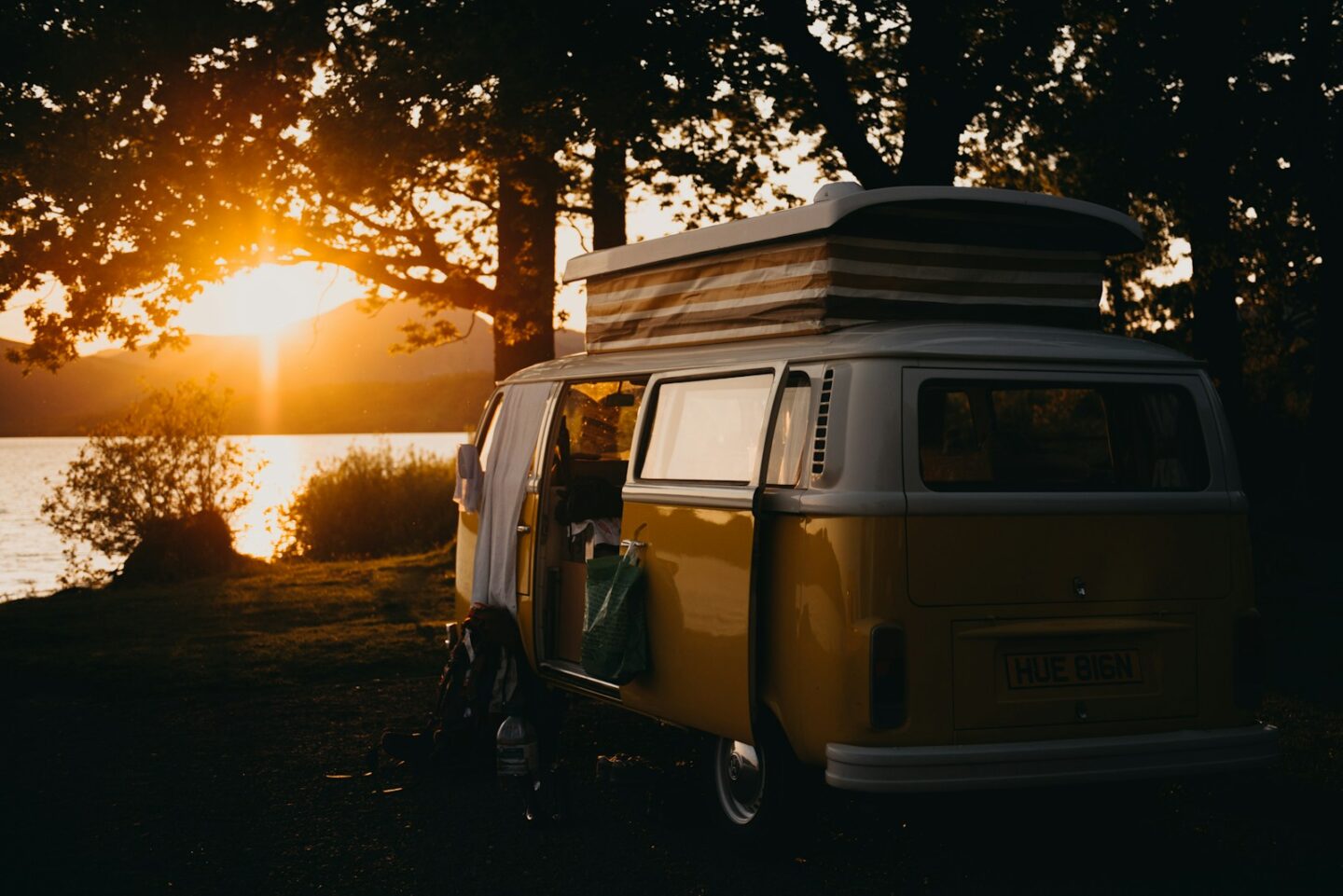
Cooking on the road is one of the most rewarding parts of van life, especially in New Zealand, where stunning landscapes and fresh local produce make every meal memorable. There’s something special about preparing food beside a lake or in the mountains and sharing that moment with others.
For food lovers who are also content creators, a campervan hire Auckland service or similar service in NZ offers the perfect mix of adventure and creativity. It shows that you don’t need a full kitchen or fancy appliances to enjoy well-prepared meals. In fact, cooking in a compact space often sparks more creativity and a greater appreciation for delicious food.
If you dream of documenting your recipes, food discoveries, or market finds while travelling, the key is having the right setup to support both cooking and content creation. A thoughtfully designed campervan lets you make the most of limited space while still allowing you to cook comfortably and capture your culinary moments beautifully. Here are some features and considerations to help you build your ideal campervan foodie setup:
1) Built-in Kitchen with the Right Equipment
A well-equipped kitchen is the heart of any campervan food blogging setup. Look for a van that includes a built-in sink, a reliable stove, and a compact fridge to keep ingredients fresh. These features make it easy to prepare full meals wherever you’re parked, whether at a lakeside campsite or a mountain lookout.
High-quality equipment makes a big difference when you’re cooking and creating content regularly. A well-laid-out kitchen allows you to focus on your food rather than juggling limited tools or dealing with clutter. It also provides a clean, attractive backdrop for filming or photography, which will allow your posts to look professional and inviting.
2) Spacious and Functional Interior
The space inside a campervan affects how comfortable and creative you can be while cooking or filming. A van with a roomy layout makes it easier to move between prepping, cooking, and shooting your content. It’s even better if it has foldable or slide-out surfaces that double as prep tables or camera stations. Natural light is another important factor, as it brings out the best in food photos and reduces reliance on artificial lighting.
Think of your campervan as a small studio that needs to adapt to both cooking and filming. The more functional and flexible your space, the easier it is to create quality content without feeling cramped.
3) Reliable Power Supply and Connectivity
Power is essential for both cooking and creating digital content. Between your stove, lights, camera gear, and editing equipment, you’ll need a setup that can handle regular use. Many food bloggers invest in solar panels and inverters to keep everything running even when off-grid, or find a campervan rental service that can accommodate their needs. Regardless, a reliable power source lets you focus on cooking and content instead of worrying about charging your devices.
Connectivity is just as important if you plan to post updates or upload videos while travelling. A strong mobile data plan or a Wi-Fi booster helps you stay connected no matter where you are. With consistent power and internet, you’ll be able to share your food journey in real time and keep your audience engaged.
4) Smart Storage Solutions
In a small space like a campervan, organisation makes all the difference. Smart storage keeps your ingredients, utensils, and tools tidy and within easy reach, helping you cook efficiently while keeping your space looking neat.
Use deep drawers and vertical shelves to make the most of every inch, and pair them with stackable containers and compact appliances to keep your kitchen efficient without sacrificing functionality. A clean, well-ordered kitchen not only makes cooking easier but also looks better in photos and videos, reflecting your style and attention to detail.
5) Good Ventilation and Safety Features
Good ventilation and safety are essential when cooking in a confined space. Choose a campervan with windows that open or an extractor fan to keep air circulating and control steam, smoke, and lingering odours.
Safety should also be a priority, so have a small fire extinguisher, smoke detector, and carbon monoxide alarm on hand. These features will make your van more comfortable to live and work in while giving you peace of mind to cook and film with confidence.
6) Knowledge of Local Cooking Regulations and Outdoor Etiquette
New Zealand’s scenic beauty makes outdoor cooking and filming incredibly rewarding, but it’s important to know where it’s allowed. Freedom camping and open-flame cooking are restricted in some areas, especially during dry seasons or in national parks. Always check local guidelines and signage before setting up your outdoor kitchen.
Being mindful of your surroundings also helps protect the environment and maintain good relationships with local communities. Clean up after yourself, dispose of waste properly, and avoid cooking in sensitive areas. Following these simple practices keeps you safe and welcome wherever your food journey takes you.
Meals, Memories, and Mobile Adventures
With the right kitchen setup and thoughtful design, your campervan can support both cooking and content creation on the road. Whether you’re looking for the perfect van to buy or rent, or planning to customise your current one, the pointers above can help guide your choices. Follow these ideas and your van can become more than just a vehicle; it will serve as a comfortable home for your culinary adventures.
This is a collaborative post.