7 Tips for Gutting Your Home
Gutting your home is not for the faint-hearted. It’s for the brave, the bold and the people who’ve watched way too many renovation shows. Before you start swinging around a sledgehammer, remember that this process will involve dust, regret, triumph, and maybe one dramatic moment questioning all your life choices.
Gutting out your home and starting again takes time, so let’s take a look at 7 tips to keep you sane while you strip it down to the studs.
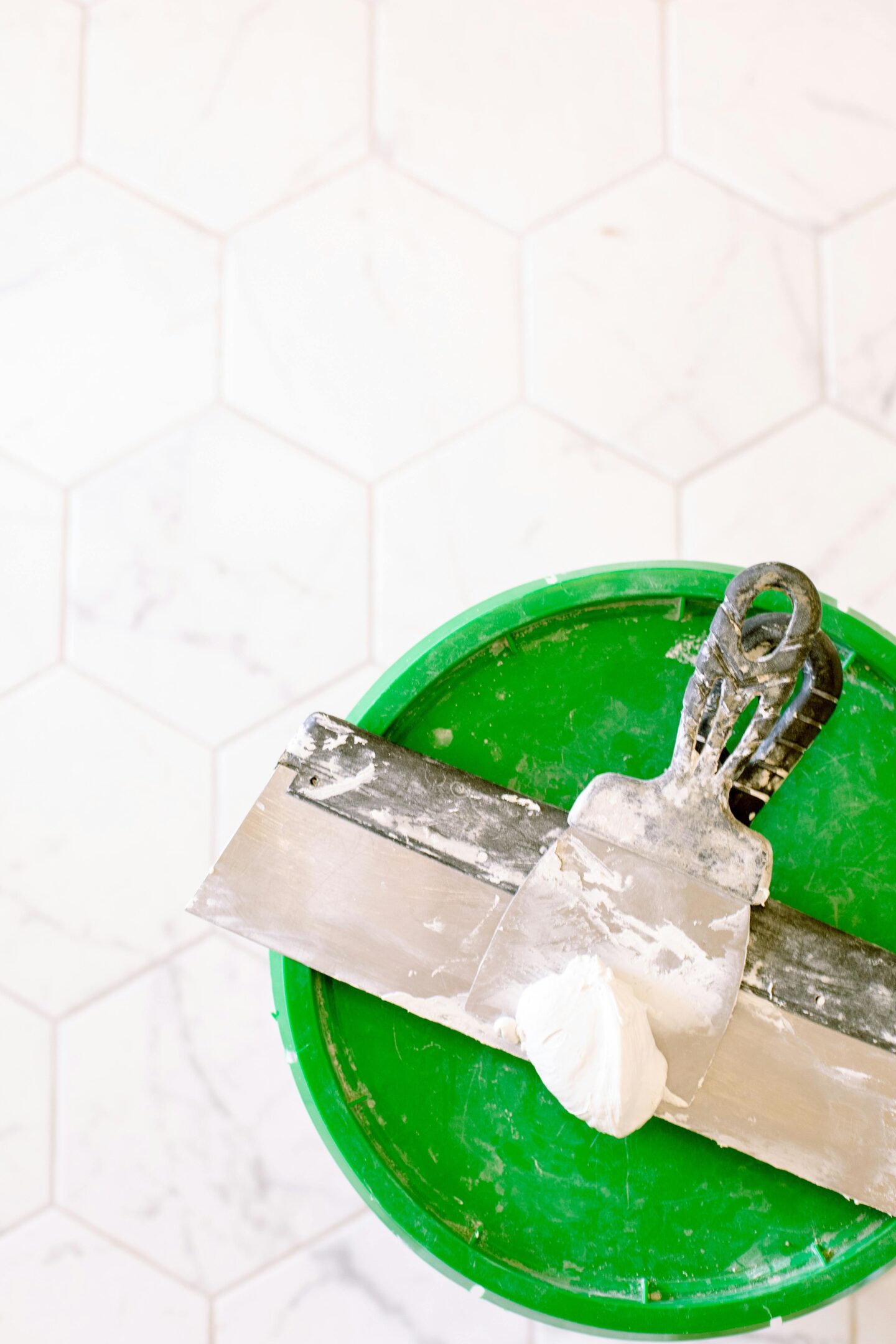
- Know why you’re gutting it in the first place. This is fun, chaotic and messy, but it shouldn’t be your starting point. Gutting your house without a clear reason is like cutting your own fringe at 2am. It’s technically possible, but it’s rarely advisable. Figuring out your goals is important. So are you correcting structural problems? Are you installing new insulation? Are you opening up the layout or planning a full remodel? Are you removing something mysterious and possibly alive from behind a wall? Write down what your objectives are, make a basic sketch and set a budget. Then you need to check out what permits you need. Planning now saves you from any ‘oh no’ moments later.
- Prep the space and yourself. Gutting your home means becoming one with the dust. It will get everywhere from your hair to your shoes and places you didn’t know existed. Start by removing everything from the room where you’re starting the renovations. Then you need to cover everything with plastic sheeting that must stay put. Turn off any utilities when necessary because electricity surprises are only fun in cartoons. Then snap photos before you begin for insurance, documentation and showing the ‘before’ a situation with dramatic flair. Accepting that your house will look worse before it looks better is important.
- Figure out the load-bearing walls before you swing the hammer. Nothing kills renovation joy faster than realising you just removed the wall holding up your second floor. Before you go full superhero mode with a sledgehammer, identify the load-bearing walls. The best way to do this is to bring in an expert to do it for you. They’ll be able to study your home’s framing and don’t trust any assumptions or vibes. Or that one uncle who. That will probably be fine. Removing the wrong wall turns your remodel into an unintentional open-air concept that you then have to rebuild.
- Brace yourself for a surprise. Behind every wall is a mystery, and usually not the fun kind. More like odd wiring, unexpected water damage, a family of spiders, or evidence that someone 40 years ago did DIY after beers. Fun discoveries include sagging beams, moisture damage and past repairs done with duct tape and misplaced optimism. It’s for this reason that you need to have an emergency budget.
- Take demolition slowly. TV shows make demolition seem like therapy with power tools. In reality, careful disassembly saves money, time, and heartache. You can avoid damaging things that you want to keep, spot any issues early on, salvage materials as you go, and prevent punching a hole into a plumbing line you didn’t know existed.
- Clean as you go. A gutted-out house naturally tries to turn into a debris-filled wasteland. But keep things mildly organised and your life will be so much easier. Simple habits that help you include bagging debris as you work, sweeping at the end of the day, and keeping your tools in one designated zone. Maintaining clear walkways so you don’t trip while holding anything sharp or expensive is also important because a tidyish renovation zone also makes you feel more in control, even if everything else looks like chaos.
- Plan your rebuild now. The gutting out is just the first half of the adventure. If you don’t plan the rebuild ahead of time, you’ll end up with delays, rushed decisions, or settling for the wrong materials. Create a timeline, audio materials in advance and finalise your layouts. The earlier that you plan this part, the less rebuilding feels like a frantic scramble.
Gutting your home is messy, unpredictable, and occasionally existential, but it’s also incredibly rewarding. You’ll have moments where you worry why you did this, and then other moments where you think you’re unstoppable. Take it slow, laugh at the disasters, and learn from the experience.
This is a collaborative post.