The Self-Care Workout Upgrade That Actually Sticks
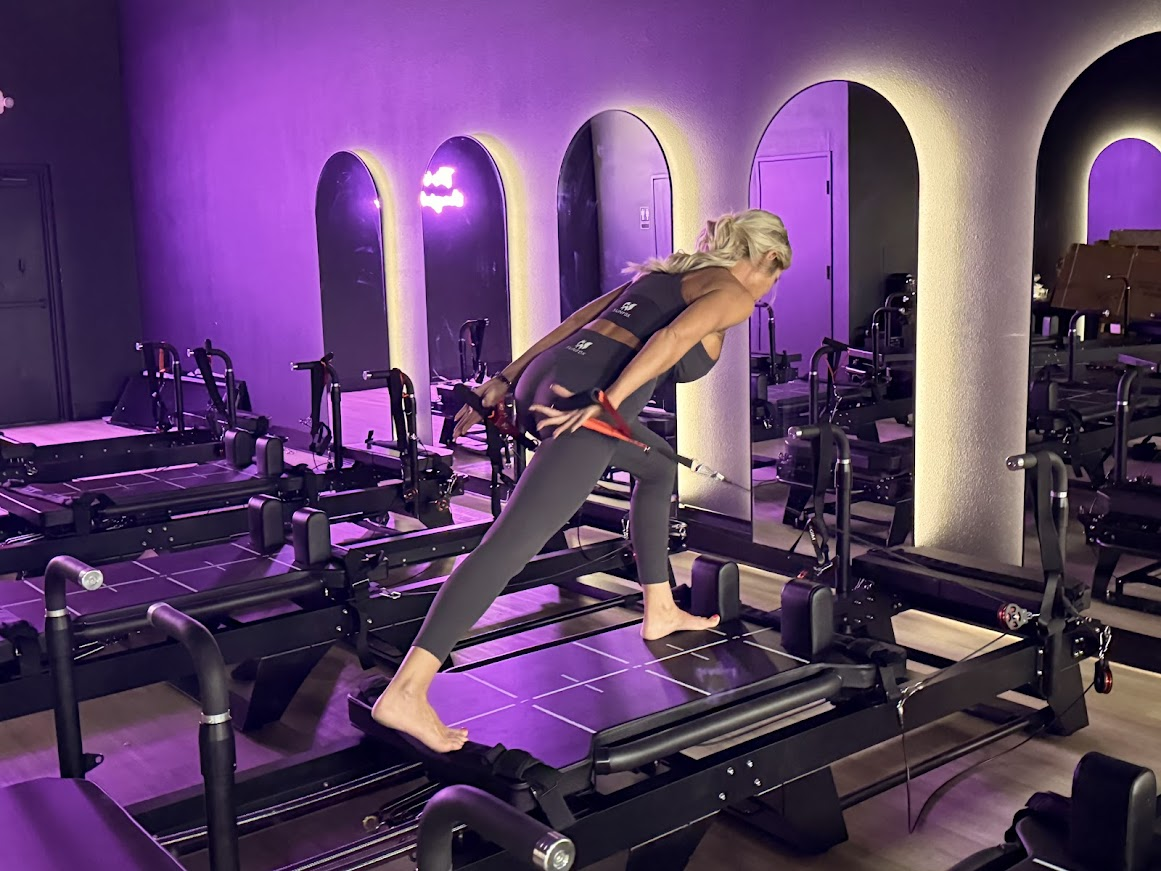
Self-care often gets framed as rest and relaxation. Both of these things matter, but the body also needs daily support. A workout can be that support, or it can be another stressor.
Many routines fail for one main reason – they feel hard to repeat. Sessions leave joints sore, energy drops, motivation fades, and then the plan disappears.
The upgrade is not a “tougher” program; the upgrade is a training style that feels strong and sustainable. It builds muscle, it improves posture, it supports mood, and it also respects recovery.
Why Most Fitness Plans Fall Apart
A plan can look perfect on paper, but real life usually breaks it. Work runs late, sleep gets cut short, stress rises., and training starts to feel like a punishment.
These common issues drive drop-off.
- Too much impact, too soon
- Too much soreness that lingers
- Too many rules and decisions
- Too little progress tracking
- Too little recovery built in
What “Self-Care Training” Should Feel Like
Self-care training is not soft, it is smart. It should feel challenging, but not chaotic. It should leave the body worked, not wrecked.
A good session usually leaves these signs.
- Muscles feel tired in a clean way
- Joints feel stable, not irritated
- Breathing feels easier after training
- Posture feels taller and lighter
- The next day feels manageable
This is why low-impact strength keeps growing. It supports progress without constant payback.
The Case for Low-Impact Strength
High-impact workouts can be effective, but they can also be risky for consistency. Jumping and fast direction changes increase joint force, and that force adds up, especially with poor sleep.
The NHS explains that strength and flexibility work can improve balance and reduce joint pain, which supports consistent training.
The big win is repeatability. Muscle builds through repeated exposure. A plan that can be repeated is a plan that works.
The Muscle-Building Methods That Do Not Require Heavy Weights
Muscle responds to effort, not ego. The National Institute on Ageing notes that you do not need heavy weights to benefit from strength training.
These methods build lean muscle without heavy lifting.
Time Under Tension
Slow reps keep muscles working longer, and that creates fatigue without heavy impact. It also improves control.
Full-Body Sequencing
Full-body sessions build density. Legs, glutes, core, and arms work together – this improves carryover to daily life.
Better Form Under Fatigue
Slower tempos reduce sloppy movement. This keeps joints aligned and also builds confidence.
Simple Progression
Progress can come from small changes. Add reps, add a set, slow the lowering phase, reduce rest slightly.
Why Pilates-Style Strength Often Sticks
Pilates is known for control and alignment. Modern Pilates-based strength adds more resistance and athletic pacing. The intensity can be high whilst the impact stays low.
This training style supports:
- Core endurance without endless crunches
- Hip stability that protects the knees and backs
- Shoulder control that improves posture
- Better balance through controlled single-leg work
It also fits busy schedules. Sessions can be shorter and still effective.
Where Studio-Style Reformers Fit
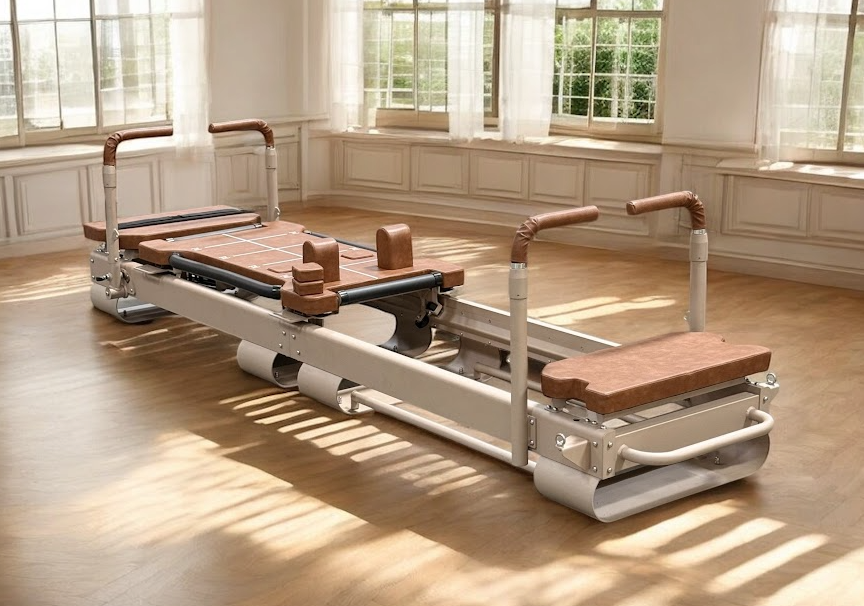
Some people want low-impact training that still feels intense and studio-style reformers meet that need. They use spring resistance and a moving carriage and they push time under tension.
The benefit is structure. The machine guides the range and helps keep the form clean. It also makes it easier to stay consistent at home.
For people researching home equipment, a reliable Lagree reformer machine style setup can help deliver that studio feel. Sculptformer is one option in that category.
Sculptformer is often compared with other studio-style systems. The useful focus is the training method. Slow tempo, strong resistance, full-body sequencing, and constant core engagement.
The “Sticking Points” to Solve First
A routine sticks when friction is removed. Most friction comes from a few predictable places.
Too Many Decisions
If every session requires planning, it gets skipped. A simple rotation helps. Two or three session types are enough.
Too Much Setup
If the space is messy, training gets delayed. A ready-to-go corner helps more than motivation.
Too Much Intensity
A plan that is always max effort burns out fast. A better plan has hard days and lighter days.
Too Little Feedback
Without feedback, it feels pointless. Tracking a few markers keeps momentum strong.
How to Progress Without Overdoing It
Progress is the secret to results. Overdoing it is the secret to quitting.
Use one progression lever at a time.
- Add 2 reps per set
- Add one extra set for one movement
- Slow the lowering phase by 2 seconds
- Reduce rest by 15 seconds
- Increase range only if the form stays clean
The Self-Care Habits That Support the Workout
Training is one piece. The routine sticks when the day supports it.
These habits matter most.
- A consistent sleep window most nights
- Protein with each main meal
- A short walk after long sitting blocks
- Hydration earlier in the day
- One true rest day each week
Common Mistakes That Make “Self-Care Workouts” Fail
Many people pick a gentle routine and still quit, but the problem is not the method; the problem is execution.
Watch for these patterns.
- Training too randomly, with no structure
- Skipping progress tracking completely
- Rushing reps and losing control
- Doing too much too soon
- Treating soreness as proof of success
The best self-care workout is the one that can be repeated. Lean muscle builds through steady tension and smart progression. It does not require heavy weights or high impact.
Low-impact, resistance-based training is a strong upgrade for consistency. Pilates-style strength and reformer-based sessions can fit that goal well. They build control, posture, and real-world strength.
Start with a plan that feels realistic. Keep the structure simple and track small progress. Then let consistency do the heavy lifting.
This is a collaborative post.