The Journey from Idea to Finished Product in Modern Manufacturing
Turning an idea into a market-ready product takes a mix of creativity, technical skill, and careful planning. In modern manufacturing, this process involves a series of structured steps that help move a concept from the drawing board to the hands of customers.
From selecting the right production partners to refining designs for efficiency, each stage of the process can have a big impact on the final outcome. Businesses that understand these stages are better equipped to make informed choices, save time, and create products that meet market expectations.
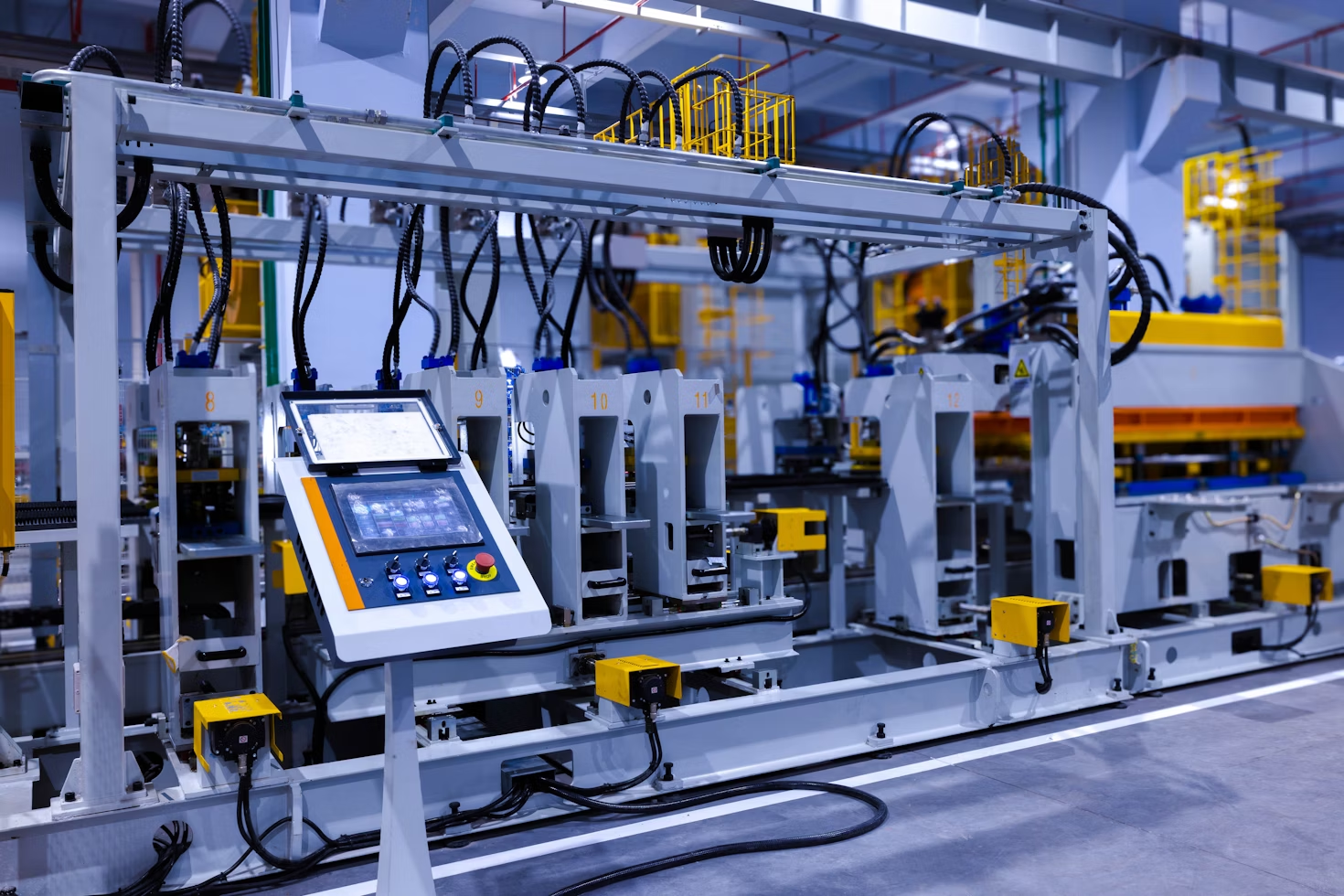
Selecting the right materials
Material choice is one of the most important decisions in manufacturing. Different materials affect durability, cost, appearance, and overall performance. Understanding the intended use of the product helps narrow down the best options.
When using the right raw materials, manufacturers can create products that stand up to real-world conditions while staying within budget. This step often involves testing samples and reviewing performance to make sure the material meets all necessary requirements.
Partnering with the right specialists
Choosing experienced manufacturing partners can make all the difference when moving from concept to production. For many products, working with trusted injection moulding companies offers a way to produce consistent, high-quality parts at scale without excessive costs.
These companies often provide valuable input during the design phase, helping refine product details for manufacturability. By involving them early in the process, businesses can avoid costly design changes later on and improve production efficiency.
Designing for manufacturability
A great idea needs to be designed with production in mind. Overly complex designs can slow down manufacturing and increase costs, while simpler, well-thought-out designs can speed things up without compromising quality and still deliver the intended functionality.
This stage might involve working closely with engineers to adjust dimensions, reduce material waste, improve efficiency, or simplify assembly processes. The goal is to strike a balance between creativity, practicality, and long-term cost-effectiveness for the business.
Prototyping and testing
Prototyping allows businesses to see and feel a version of their product before committing to full-scale production. It’s a chance to identify design flaws, test functionality, and gather feedback from stakeholders.
Testing at this stage helps confirm that the product meets all performance and safety requirements. Any adjustments made here are far less costly than changes made after production begins.
Scaling up production
Once a product passes testing, the focus shifts to producing larger quantities while maintaining consistency. For businesses creating your own product from scratch, scaling up often involves refining workflows, training staff, and ensuring quality control processes are in place.
Careful planning during this stage can help avoid production delays and keep costs under control. The aim is to replicate the same quality seen in prototypes across every unit produced.
The journey from idea to finished product involves a series of interconnected decisions, each with a direct impact on the outcome. By working with the right partners, choosing suitable materials, and refining processes, businesses can bring their ideas to life more efficiently while meeting quality and market expectations.
This is a collaborative post.