The Hominess Gap: Diagnosing Why New Renovations Often Feel Cold
There is nothing quite like renovating a home. The excitement of the smell of fresh paint, the shine of brand-new fixtures, and the beauty of perfectly straight lines are all part of the process. As you enter your newly renovated living room or kitchen, you would reasonably assume that you would immediately sense a feeling of comfort. However, as you pause in this new space, something is missing. The space is absolutely beautiful. However, it does not feel like “home.”
This is what we refer to as the “hominess gap,” the quiet chasm that exists between perfect design and warm feelings.
What causes a space to appear so perfect, yet lack the emotional connection we call “feeling at home?”
When people renovate their homes, they are usually focused on improving both the functionality of their space and its aesthetics. Therefore, they look for features such as smooth cabinetry, large windows, and natural-stone surfaces. Additionally, many homeowners choose a minimalist approach with an emphasis on clean lines. This creates a space that could easily be featured in a magazine; however, it lacks the heart and soul.
While the sensation of coldness that you may feel while walking into your renovated space is not due to the temperature of the space itself, it is likely a reflection of the renovation focusing primarily on the visual aspect of the space, versus creating a space rich in sensory experiences.
The Forgotten Sense of Texture in Home Design
In designing spaces, texture is often the least considered sense. While surface choices are typically based upon how well they visually complement each other (such as matching materials, colours, etc.), very few designers consider the tactile quality of those same surfaces.
Most modern renovations feature a lot of smooth, hard surfaces. Flooring, walls, and countertops, all of these surfaces are selected for their ability to reflect light and to minimise sound, and are great in terms of their efficiency and aesthetic appeal. However, the primary reason why your renovated space may feel emotionally cold is that the majority of the surfaces in the space are too smooth and too hard. As a result, the space tends to ring out with sound and lacks the sensual qualities associated with texture.
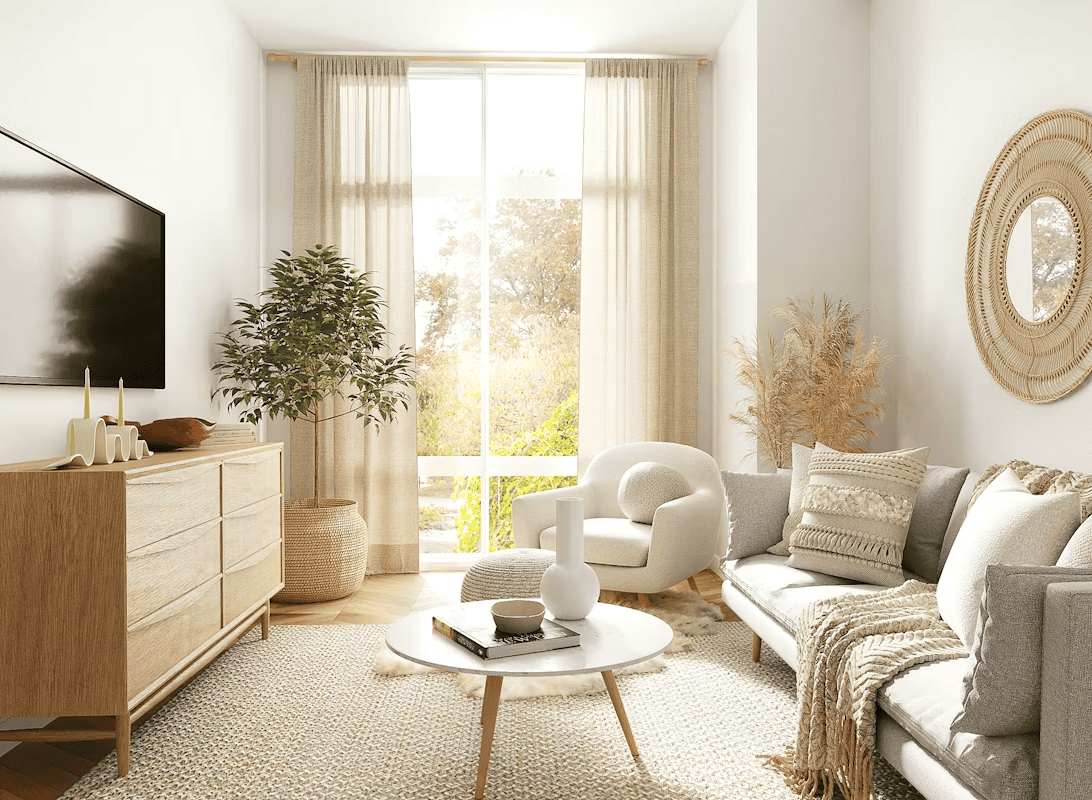
Adding softness, variety, and contrast are the keys to closing the “hominess gap.” A velvet pillow on a leather sofa, a wood tray on a granite countertop, a wall covered in beautiful, patterned wallpaper. Contrasting textures do not compete with one another; instead, they complement each other.
The Loss of Memory
Homes gain emotional significance over time. One of the reasons a recently renovated space may feel foreign to you is that the renovation has essentially erased much of the emotional significance of the space. The act of removing the old elements of the home (the worn-out carpet, the outdated wallpaper, etc.) removes not only the physical characteristics of those elements, but the memories that were tied to those elements.
So, while it is wonderful to give your home a facelift and to remove the outdated aspects of the space, you now must intentionally add back in the elements that provided meaning to the space. Photographs, heirlooms, and antique pieces are not simply decorative elements; they serve as anchors to provide a foundation for your identity in the space.
Too Much Curating Destroys Personality
There are many guidelines in the world of interior design media. Three objects per shelf. Matching metal tones. Lines that are clean and straight. While these principles help to establish a visually appealing space, they also help to eliminate any opportunity for a homeowner’s personality to show through in their design.
A good home should contain imperfections and unique character traits. Brightly-colored book spines sticking out of a row of neutral-toned books on a shelf. A vintage lamp purchased from a flea market paired with a high-end dining table. A piece of artwork created by a child and placed on the refrigerator with no intention of framing it.
Ultimately, the pursuit of absolute perfection can work against the creation of a warm and welcoming home environment. A bit of mess in a home tells your visitors and yourself that the home is a place where life is well lived.
Lighting: The Most Emotional Ingredient
It’s easy to underestimate how much lighting affects a room’s emotional temperature. Many new renovations rely heavily on overhead lighting. Spotlights, pendants, and LEDs flood the space with clarity, but often without nuance.
Ambient lighting matters. A single table lamp can do more to create intimacy than ten ceiling bulbs ever could. Mix your lighting. Use warm bulbs. Vary the heights and placements. Let your room have shadows and layers.
Without them, you’re overexposing the room.
Bringing Nature Inside
Real plants change the energy of a room because they are alive. Renovated spaces tend to be static. – walls don’t move, stone doesn’t breathe, fabric doesn’t grow.
Introduce something that does.
A potted fern in the bathroom, fresh herbs on a kitchen shelf, a fiddle leaf fig by the window. Even cut flowers on a table remind the eye and brain that this is a living space.
And the effect isn’t just visual. Plants improve air quality, dampen noise, and encourage gentleness. You treat a space differently when you’re sharing it with life.
Function is Not a Feeling
A new kitchen with the latest appliances, smooth drawers, and waterfall counters might operate flawlessly. But if it doesn’t invite you in to cook, lean, snack, or spill wine with friends, it hasn’t succeeded.
Designing for efficiency is smart. Designing for invitation is wiser.
A kitchen island is often treated as a showpiece—too sleek to touch, too sharp to linger by. But when kitchen worktops are selected not just for beauty but for warmth and durability, you begin to bridge the hominess gap. You create a space where friends and family want to gather while you cook and enjoy a glass of wine.
The Importance of Smell and Sound
Scent is memory’s shortcut. Yet new renovations often smell like nothing or worse, like chemicals. Infusing your space with subtle scents through candles, essential oils, fresh baking, fresh air, or your favourite diffuser immediately softens the experience.
The same goes for sound. Adding personality with rugs, pillows, throws, and curtains silences those hollow sounds and the hollow feeling.
Hollow silence is not serene; it’s sterile.
The Final Ingredient: You
Homes become cosy through living. Sleep on the couch, leave your shoes by the door, let your coffee table collect books you haven’t finished, invite people over before you think it’s ready.
The gap between cold perfection and lived-in warmth is one only you can cross.
The moment you start living in your home and start curating it, it begins to fill with traces of you. And the gap quietly disappears. Ultra modern might look beautiful in a magazine, but true beauty is in the real homes we live in.
This is a collaborative post.