The Foundations of a Thoughtful Home Workout Room
Designing a home workout room is not just about buying equipment and finding spare space. A thoughtful setup supports consistency, protects your home, and creates an environment that encourages real progress. Whether you are building a compact corner in a spare bedroom or converting a garage into a dedicated gym, the foundations matter.
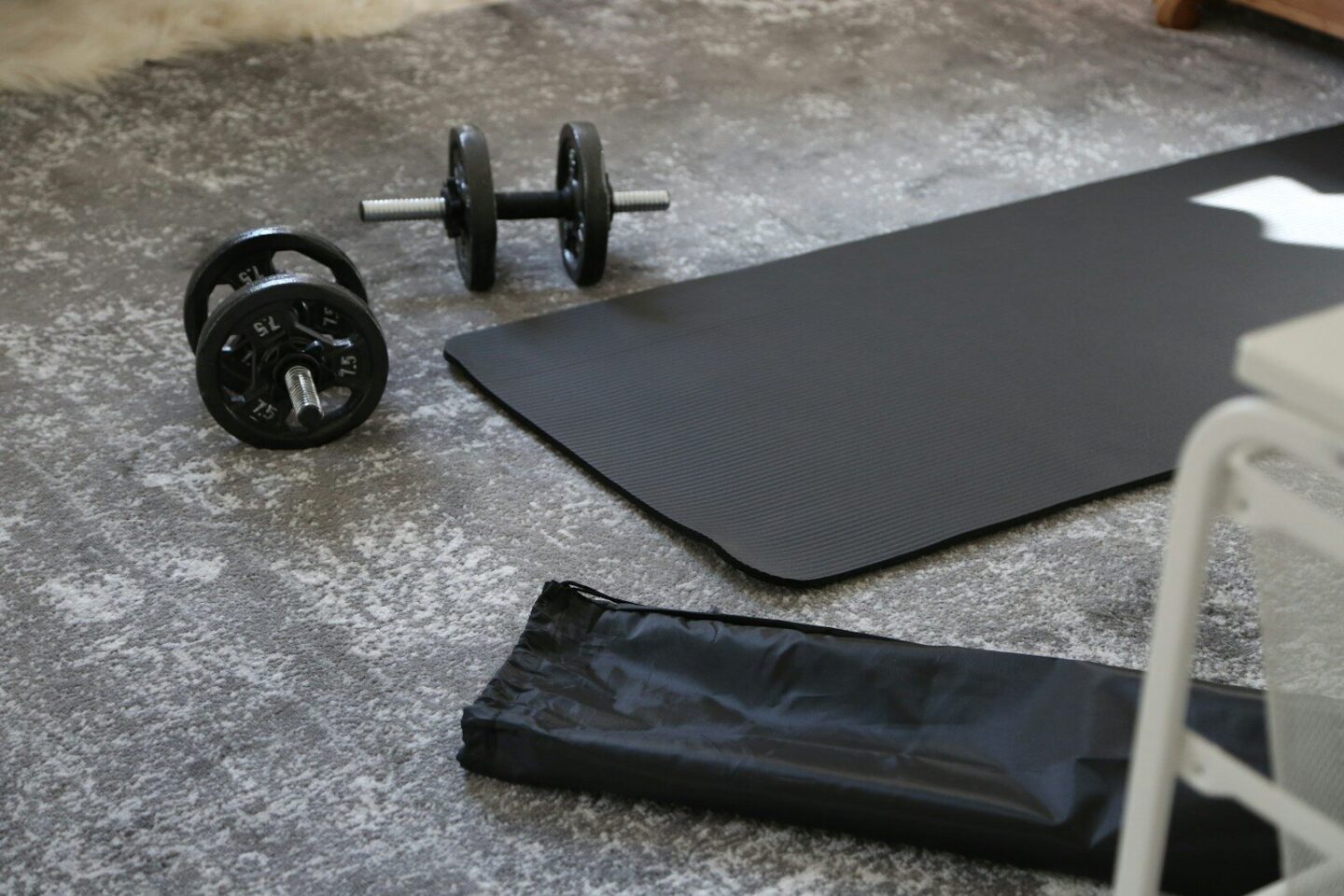
Here are the key elements that form the backbone of a well-designed home workout room.
Durable, Protective Flooring
Before you invest in racks or weights, start from the ground up. Standard flooring is not designed for dropped dumbbells, dynamic movement, or repeated impact. Over time, this can damage surfaces and create safety risks.
High-quality gym flooring provides grip, shock absorption, and noise reduction. It also protects subfloors from cracks and dents. Installing proper surfaces, such as gym floor mats from mirafit.co.uk, creates a stable base for strength training, cardio, and functional workouts.
Good flooring defines the training zone and immediately elevates the space from makeshift to intentional.
A Clear Training Purpose
A thoughtful workout room begins with clarity. Are you focusing on strength training, conditioning, mobility, or a mix of all three? Your purpose should shape your layout and equipment choices.
For strength-focused rooms, prioritise space for compound lifts and safe barbell movement. For cardio-based setups, ensure adequate clearance for bikes, rowers, or bodyweight circuits. If mobility and recovery are central, dedicate space for mats and stretching.
When your room reflects a clear goal, your sessions become more structured and productive.
Smart Use of Space
Home workout rooms often have limited square footage. That makes layout planning essential. Position larger pieces of equipment against walls to maximise open floor area. Leave safe clearance around racks and benches to avoid collisions or restricted movement.
Vertical storage solutions for plates, dumbbells, and bands help keep the space organised. A clutter-free room is not just visually appealing; it’s also functional. It reduces hazards and supports focus.
Even small spaces can function effectively when every metre is used intentionally.
Proper Ventilation and Lighting
Airflow and lighting are often overlooked but make a significant difference. Poor ventilation can make intense sessions uncomfortable, particularly in smaller rooms or converted garages.
Natural light improves mood and energy levels. If windows are limited, invest in bright, neutral lighting that reduces shadows and improves visibility during lifts. Adequate lighting also enhances safety by ensuring that equipment is always clearly visible.
A comfortable environment encourages longer, more consistent training sessions.
Equipment That Supports Progression
A thoughtful home gym is built around progression rather than novelty. Instead of purchasing numerous single-purpose machines, prioritise versatile equipment that grows with you.
Adjustable benches, barbells, kettlebells, and resistance bands allow you to increase intensity over time. Progressive overload is essential for building strength and endurance, so your equipment should allow incremental improvements in load or difficulty.
Focus on quality over quantity. Fewer well-chosen pieces often outperform a room filled with rarely used machines.
Defined Zones for Different Activities
Creating zones within your workout room improves flow and structure. Consider separating areas for lifting, mobility, and conditioning. Even a subtle change in mat placement or equipment arrangement can signal a shift in focus.
This organisation helps maintain discipline. When each zone has a purpose, sessions feel more intentional rather than improvised.
For some homes, creating separate exercise zones may mean having a dedicated workout space altogether. A garden gym can provide a distinct environment for training, giving different equipment and activities their own space rather than competing with other uses inside the house. This can be especially useful for creating a consistent setup where exercise remains the clear focus.
Clear zones also make it easier to tidy up and maintain order after each workout.
Noise Management and Consideration
Home gyms exist within living spaces. Managing noise is essential, particularly in shared households or flats. Proper flooring reduces vibration and impact sound. Controlled lifting techniques and designated drop areas also help protect both your home and your relationships.
Planning for noise from the beginning prevents future frustration and ensures your fitness routine remains sustainable.
This is a collaborative post.