Logistics Trends and Insights – 2025 Up to Now
In 2025, the evolution of the logistics industry doesn’t show any signs of slowing down. A number of changes, driven by everything from shifting consumer demands to technological innovations, are continuing to shake things up, and it can be very difficult to stay up to speed.
We decided to take a step back and look at what’s actually going on. From AI to supply chain resilience, these are some logistics trends and insights that you’d do well to keep in mind over the coming months.
AI-powered automation
AI is such a common buzzword nowadays that it’s all but lost its initial punch. This is a worrying place to find yourself in, however, as the tools that are being brought into being through the use of AI are incredibly impressive.
Whether we’re talking about demand forecasting or warehouse planning, AI tools are incredibly powerful and can often massively outperform their non-AI counterparts. It’s important to consider which of these tools could be useful for your business to ensure your ongoing competitive advantage.
Physical automation
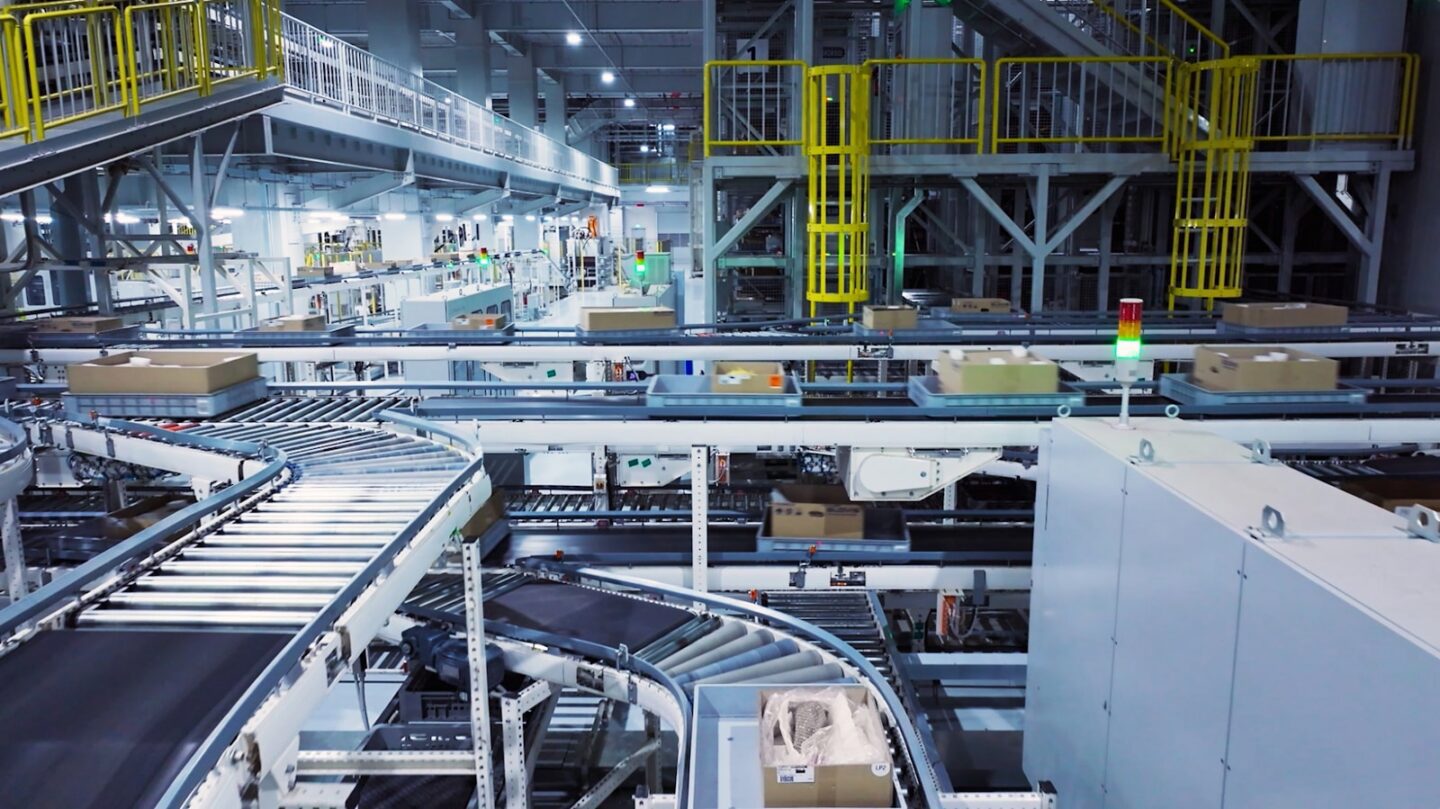
AI-powered automation isn’t the only kind of automation that the logistics industry is experiencing – we’re also seeing increasingly efficient automation in a range of physical processes.
Loading solutions from providers like Joloda Hydraroll are turning warehouses into increasingly well-oiled machines with a number of important benefits.
These range from substantial reductions in labour costs to incident reduction and safer working environments. As we get further into 2025, logistics providers will need to follow these kinds of automation trends just as closely as they do AI ones.
Sustainability
While attitudes towards sustainability definitely do fluctuate, in 2025, they remain centre stage in a lot of contexts. Many consumers want to know that their purchases aren’t actively damaging the planet, and a range of government regulations complement this popular attitude.
It’s important to look into which kinds of technological innovations can help to increase sustainability while also potentially cutting costs. It doesn’t have to be one or the other, especially if you use intelligent solutions.
Supply chain resilience
Lastly, if we’ve learned anything in the logistics sector over the past few years, it’s the importance of supply chain resilience. With the current burgeoning global trade war emerging as only the latest in a long, long list of huge disruptions, it’s become incredibly important to increase supply chain resilience using all approaches available.
Whether through strategic stockpiling or diversifying your sources, it’s important to consider how to reduce the impacts of supply chain issues. This will need to be based on ongoing global trade developments, and should constantly be at the back of logistics managers’ minds.
It’s important to stay up to date with logistics trends, especially in such a volatile landscape. Whether you manage to avoid potential supply chain disasters or leverage a promising solution, keeping an eye on the latest updates can often serve your business well in the long run. It doesn’t take much effort, but it can often pay dividends.
This is a collaborative post.