How to Work Better in a Small Space
Working in a small office doesn’t mean you need to settle for cramped cubicles or a chaotic space. It may be tight, but smart design makes a big difference when every square meter counts. The way you set up your environment can help or hurt how well people work.
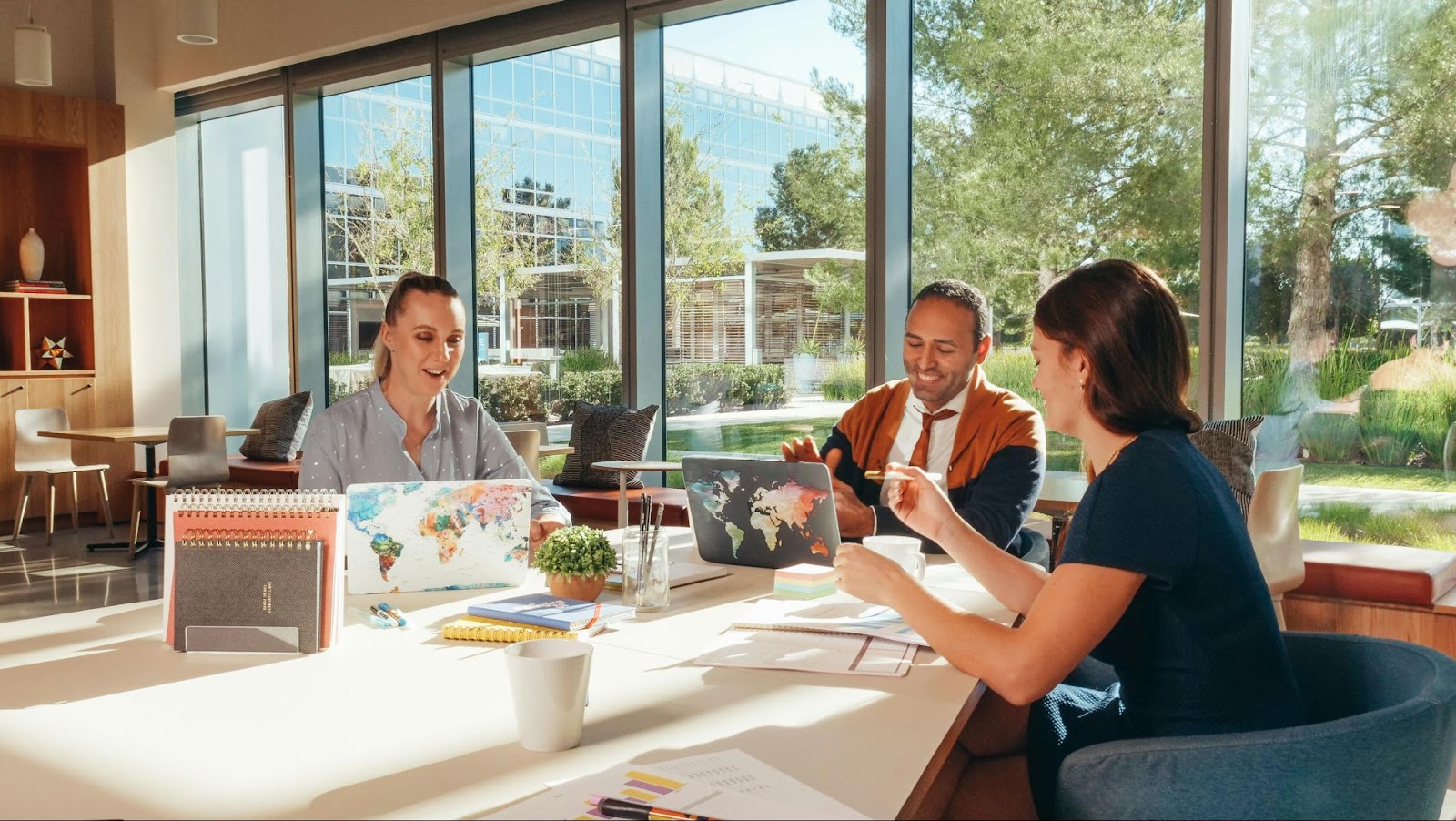
Whether you are outfitting a home office or a compact workplace for a small team, the right setup boosts focus, energy, and comfort. You don’t need more room, you need better ideas. Let’s break it down.
Plan for Function Before You Think About Furniture
Start with a basic question: what actually happens in the space? List all the tasks that need to happen, such as calls, meetings, desk work, and storage. Don’t guess. Watch how people move, where they pile things up, and where friction happens. Look at what’s getting in the way, what’s not used, and what takes too long. This tells you what to prioritise.
For example, if two people are constantly standing to print documents, make printing more accessible. If your team does daily video calls, invest in a better backdrop or soundproofing. Avoid fitting the room with things you think an office should have and let the workspace develop based on actual needs.
Use Built-in Furniture to Save Space and Stay Organised
Freestanding desks and storage can eat up room in a small space. Built-in solutions work better. Consider floating shelves, wall-mounted desks, or narrow ledges instead of bulky cabinets. These create surface area without blocking movement.
One of the most effective ways to free up space in shared areas like break rooms is to use built-in seating. It’s space-saving, easy to maintain, and helps reduce visual clutter. Built-in seating solutions can tuck neatly into corners, open up the floor, and create a clean, professional look.
Built-ins can also define zones. A simple bench or wall booth separates a break space from the main work area without adding partitions or clutter. The key is to think versatility: use walls and corners, and keep the floor as open as possible.
Light, Air, and Noise Matter More Than You Think
It’s easy to focus on desks and tech, but the sensory environment shapes productivity more than most furniture. Bad lighting makes people tired, dim corners hinder focus, and fluorescence creates glare. Replace these with LED task lights and natural lighting whenever possible.
Keep workstations near windows, but use blinds to reduce screen glare. Stale air and poor airflow lead to fatigue, so open windows when you can and use small air purifiers or fans. Noise is hard to fix, but it has a big impact. Even a low hum from a nearby machine can break concentration.
Try acoustic panels, rugs, or fabric furniture to absorb sound. If privacy is a concern, invest in soundproofing or noise-cancelling headsets. When you manage light, air, and noise well, the whole office feels bigger and calmer, even if nothing moves.
Choose Smart, Flexible Furniture
In a small office, every piece needs to earn its place. Look for furniture that serves more than one purpose. Think folding chairs, stackable chairs, or mobile storage carts. Use sliding doors or folding partitions to separate spaces as needed. A simple curtain or panel can turn a desk into a private zone during calls.
Don’t ignore vertical space. Tall bookshelves, pegboards, and mounted organisers reduce clutter. Label shelves clearly to make supplies easy to reach and return. When buying new items, always measure. Too often, desks or chairs are slightly too big and disrupt flow. Spaces should allow for comfortable movement.
The best pieces do more with less and help keep things ordered without effort.
Keep the Culture Lean and Focused Too
A productive office isn’t just about furniture; it’s about habits. Setting up clear desk policies encourages team members to keep only what they use daily within arm’s reach and creates storage zones for shared items to make cleanup easy. Provide bins, label storage, and schedule regular resets. Keep meetings short.
Use digital boards to avoid paper piles, and encourage regular breaks while giving people your space to take them. Small offices can foster stronger teamwork, but only when the space supports it. Avoid distractions, constant interruptions, and unclear boundaries.
Culture and design go hand in hand and set the tone for focus, clarity, and respect for shared spaces.
Conclusion: Small Spaces, Big Impact
Designing a productive small office isn’t about squeezing things in. It’s about simplifying planning and making smart choices. Start with what your team actually needs. Use built-in options to open up space and improve the feel of the room by fixing lighting, sound, and air quality.
Pick flexible furniture and keep the layout clean. Most importantly, ensure the physical space matches a focused, respectful work culture. When your office works well, so do the people in it. You don’t need more space; you just need to use what you’ve got in a better way.
This is a collaborative post.