

How Injury Prevention Helps in Achieving Peak Fitness
Starting a fitness routine is an exciting step toward a healthier, stronger you. Maybe you want to run a marathon, lift heavier weights, or just feel more energetic every day. Whatever your goal, consistency is how you’ll see results. But often, what stops people from being consistent isn’t a lack of motivation; it’s an injury. Pushing too hard, too fast, or with bad technique can put you out of commission for weeks or even months, undoing all your hard work. To keep your body safe and maintain your momentum, you need to focus on proper form and use smart injury prevention strategies, like dynamic warm-ups and cool-downs. This is key for sustained athletic performance.
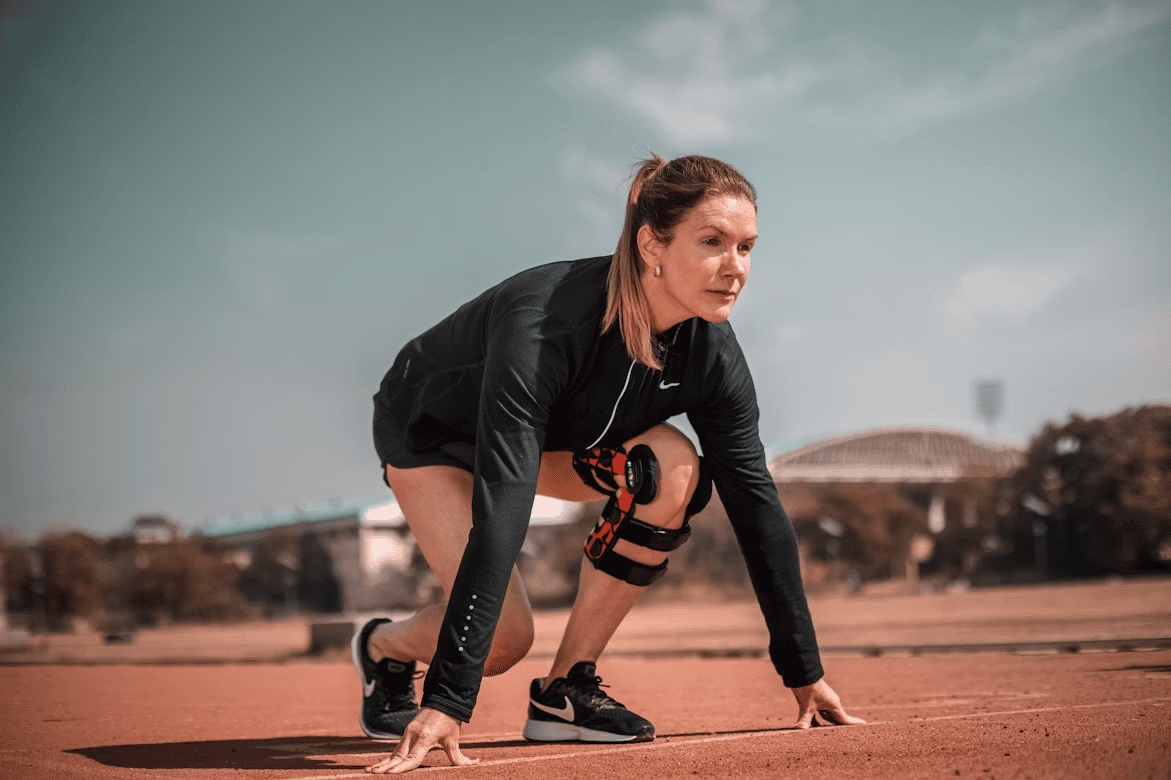
True peak fitness isn’t just about how well you perform; it’s about being able to keep going. When you make injury prevention a central part of your plan, you build a strong body that can handle challenges, recover well, and stay in the game for the long run. Let’s look at the essential practices that will help you stay safe as you work toward your fitness goals. From understanding proper form to knowing your body’s limits, prioritising injury prevention through effective warm-ups and cool-downs is important for a fitness journey that lasts.
Warm-Up and Cool-Down Routines
It’s tempting to jump right into your main workout or head for the door the second you’re done. But skipping your warm-up and cool-down is one of the easiest ways to get hurt. These short routines aren’t just optional extras; they’re basic parts of any safe and effective exercise session. A good warm-up gets your body ready for the demands of a workout by sending more blood to your muscles, raising your core body temperature, and waking up your nervous system.
Instead of static stretches where you hold a position, focus on dynamic movements that are similar to the exercises you’re about to do. If you’re going for a run, this might mean leg swings, high knees, and walking lunges. For a strength training session, try arm circles, torso twists, and bodyweight squats. This kind of preparation helps improve your range of motion and makes sure your muscles and joints are ready for action. The cool-down is just as important. It lets your heart rate and breathing gradually return to normal. This is the perfect time for static stretching, where you hold stretches for 20-30 seconds to improve flexibility and help reduce muscle soreness.
Using Supportive Gear Wisely
The right equipment can be a great help in your fitness efforts, giving you stability and protection when you need it most. This doesn’t mean you need every gadget out there, but carefully chosen gear can make a big difference. The most basic example is proper footwear. Running in old, worn-out shoes or lifting weights in unstable sneakers can cause problems from your feet all the way up to your back. Buying shoes made for your specific activity is a simple but powerful way to prevent issues.
For activities that involve heavy lifting or repeated movements, you might want to consider other aids. Weightlifting belts can help you brace your core during heavy squats or deadlifts, which promotes better spinal alignment. Similarly, for exercises that put a lot of strain on your knees or elbows, specific joint support can offer compression and stability, making you feel more confident in your movements. The trick is to use this gear as a tool, not a crutch. It should support good form and a smart training program, not replace them. Think of it as an extra layer of security that helps you perform your best while reducing unnecessary strain.
Correct Form and Technique
When it comes to exercise, quality will always beat quantity. Doing an exercise with incorrect form not only makes it less effective but also greatly increases your risk of injury. For example, lifting a weight that’s too heavy by using your back instead of your legs is a classic recipe for disaster. It’s much better to do five perfect repetitions than 15 sloppy ones. Your muscles and joints will thank you.
Learning proper technique should be your main focus, especially when you’re new to an exercise. If you can, think about working with a certified personal trainer for a few sessions to learn the basics. If that’s not an option, there are tons of high-quality video tutorials from respected fitness professionals online. You can also review practical guidance on how to work out safely and avoid injury to reinforce proper lifting habits and reduce your risk of setbacks. A great tip is to record yourself doing an exercise and then compare your form to an expert’s. This can show you small mistakes you might not even feel, like your knees collapsing inward during a squat or your shoulders rounding during a row. When you focus on proper form, you make sure the right muscles are doing the work, which leads to better results and a much lower chance of getting sidelined.
Integrating Rest and Recovery
In a culture that often celebrates pushing limits, rest can feel like it’s holding you back. However, your body actually gets stronger during recovery periods. Exercise creates tiny tears in your muscle fibres; the muscle repair and growth happen during the downtime between your workouts. Without enough rest, you’re just breaking your body down without giving it a chance to rebuild. This state, called overtraining, can lead to constant tiredness, a weaker immune system, and a higher risk of injury.
Recovery isn’t just about sitting on the couch. It includes several things:
- Sleep: Aim for 7-9 hours of good quality sleep each night. This is when your body releases growth hormone, which is vital for repairing tissues.
- Nutrition: Fuel your body with a balanced diet rich in protein to repair muscles, carbohydrates to refill energy stores, and healthy fats to reduce inflammation.
- Active Recovery: On your “off” days, do light activities like walking, gentle yoga, or foam rolling. This can help increase blood flow and reduce muscle soreness without adding more stress to your body.
- Scheduled Rest Days: Plan at least one or two full rest days into your weekly schedule. This is non-negotiable for making long-term progress.
Listen to Your Body’s Signals
Your body is always giving you feedback, and learning to understand its signals is one of the most important skills for preventing injuries. There’s a big difference between the satisfying muscle soreness you feel after a tough workout (known as DOMS, or delayed onset muscle soreness) and the sharp, persistent pain of an injury. DOMS usually feels like a dull, general ache in the muscles you worked, peaks about 24-48 hours after exercise, and goes away on its own.
Pain from an injury, on the other hand, is often sharp, located in a specific spot, and might get worse with movement. Pushing through this kind of pain is a mistake. It’s your body’s alarm system telling you something is wrong. Other signs to watch for include constant tiredness, a sudden drop in performance, nagging aches that don’t go away, or swelling in a joint. Knowing the difference between muscle soreness and injury pain is crucial. When you feel “bad” pain, the smartest and strongest thing you can do is stop, rest, and figure out what’s going on. Ignoring these warnings can turn a small problem into a major setback.
By adding these ideas into your fitness routine, you’ll shift your focus from quick gains to long-term health and resilience. Preventing an injury is always easier than recovering from one, and it’s the surest way to reach your full fitness potential.
This is a collaborative post.


