

How Do Supplement Brands Market Themselves?
The supplement industry is one of the fastest-growing consumer markets in the world, worth well over 150 billion dollars globally. That growth attracts fierce competition, with new brands launching every week. Standing out in that crowd takes far more than a good product.
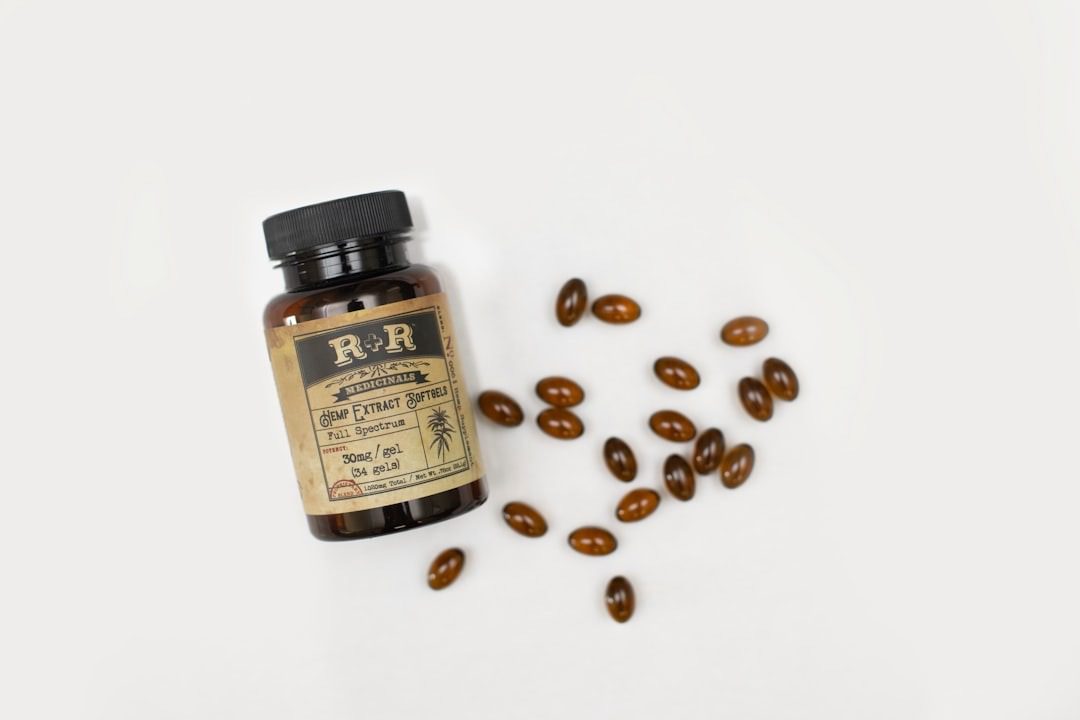
It takes disciplined, compliant marketing that builds trust. Specialist agencies such as NutraMarketers exist precisely because supplement marketing has its own rules and pitfalls. This guide explains how the best brands market themselves without crossing the line.
Why Is Supplement Marketing Different?
The category carries unusual constraints. A nutraceutical is a product derived from food or ingredients that offers health benefits beyond basic nutrition. Because it touches health, regulators watch the claims closely.
Trust is the whole game. Buyers are cautious about anything they put in their bodies, so credibility sells more than hype ever could. A single exaggerated claim can sink a brand’s reputation overnight, and negative reviews spread faster than any advertisement. In a category built on health, one broken promise costs far more than it earns.
Compliance sits at the centre. A health claim is a marketing statement that a product affects the body or a condition. What a brand may and may not say is tightly limited by law.
What Are the Main Marketing Channels?
Supplement brands use a familiar mix, applied carefully. A short list covers the core channels.
- Search. Ranking for the terms buyers actually type.
- Social media. Building community and showing real results.
- Influencers. Trusted voices who reach a target audience.
- Content. Educational articles that build authority and traffic.
- Email. Direct, owned communication with existing customers.
Search is the foundation. Strong SEO puts a brand in front of people already looking for a solution, which makes it one of the highest-return channels of all. Ranking well for a buyer’s exact question turns idle curiosity into a genuine sale, often at a lower cost than paid advertising.
How Do Brands Stay Compliant?
This is where many brands stumble. The rules are strict and enforced. Guidance from the FTC on health-product claims sets out what advertisers can and cannot say. Ignoring it invites fines and lawsuits.
Language must be careful. Brands can describe how an ingredient supports general wellbeing, but they cannot claim a product treats or cures a disease. Honest, modest wording protects both customers and the company.
Substantiation matters too. Every claim should be backed by real evidence, not marketing enthusiasm. Regulators expect a brand to hold that proof before it makes the claim, not to scramble for it after a complaint. Keeping a file of the studies behind each statement is simply good practice, and it is exactly what an experienced supplement-marketing partner insists on from day one.
How Does Branding Set a Product Apart?
On a crowded shelf, identity is everything. A memorable name, clean design, and a clear promise separate a brand from dozens of near-identical rivals. Packaging often decides the first purchase.
Protect what you build. Registering a name and logo with the USPTO trademark office guards a brand as it grows. That protection becomes more valuable with every marketing dollar spent.
Consistency compounds. A steady voice across website, packaging, and social builds recognition over time, so a customer who meets the brand on Instagram feels at home on its website. The brands that endure look and sound the same everywhere their audience finds them.
How Do Small Brands Compete and Grow?
Scale is not the only advantage. A focused newcomer can win a niche the giants ignore. Learning how to build a successful health business often beats outspending larger rivals.
Start lean and specific. A few habits help a small brand punch above its weight.
- Own a niche. Serve one audience better than anyone else.
- Lead with education. Teach first, sell second, and build trust.
- Use social proof. Real reviews outperform any slogan.
- Reinvest wisely. Put early profit into the channels that work.
Momentum builds on itself. Applying the basics of getting a business off the ground matters as much as any clever campaign, because a solid foundation is what lets marketing compound. Steady, compliant growth beats a risky shortcut every single time, and it is far easier to defend if a regulator ever comes knocking.
What to Keep In Mind
- The global supplement market is worth over 150 billion dollars.
- Trust and compliance matter more than hype in this category.
- Core channels are search, social, influencers, content, and email.
- Brands may support wellbeing but cannot claim to cure disease.
- Trademark protection guards a brand as marketing spend grows.
- Small brands win by owning a niche and leading with education.
Marketing That Builds a Lasting Brand
Supplement marketing rewards patience, honesty, and discipline far more than bold claims. By respecting the rules, investing in trust, and protecting a distinctive brand, nutraceutical companies build something that lasts. In a crowded market, credibility is the ultimate competitive edge.
FAQ
Why Can’t Supplement Brands Just Claim Their Product Works?
Because health claims are legally regulated. Brands may describe how an ingredient supports general wellbeing, but claiming to treat or cure a disease is prohibited without approval. Overstepping invites fines and lawsuits, so careful wording is essential.
What Is the Best Marketing Channel for Supplements?
There is no single best channel, but search and content marketing often deliver the strongest long-term return. They reach people already looking for a solution and build lasting authority. Most brands combine several channels rather than relying on one.
How Important Is Branding for a Supplement Company?
Very. On a shelf of near-identical products, a clear identity and trustworthy design often decide the first purchase. Consistent branding, protected by a trademark, compounds in value as the company grows.
Can a Small Supplement Brand Compete With Big Ones?
Yes. Small brands win by owning a specific niche, leading with education, and building genuine trust through reviews. Focus and credibility can beat a bigger competitor’s advertising budget.
This is a collaborative post.


