Exploring Britain’s Wildlife by Car: What to Consider Before You Hire
There’s something lovely about planning a day around what you might see outdoors. You could be heading to the Norfolk coast for a spot of birdwatching, hoping to photograph deer at dawn, or simply looking for a peaceful walk with the chance of seeing something unexpected.
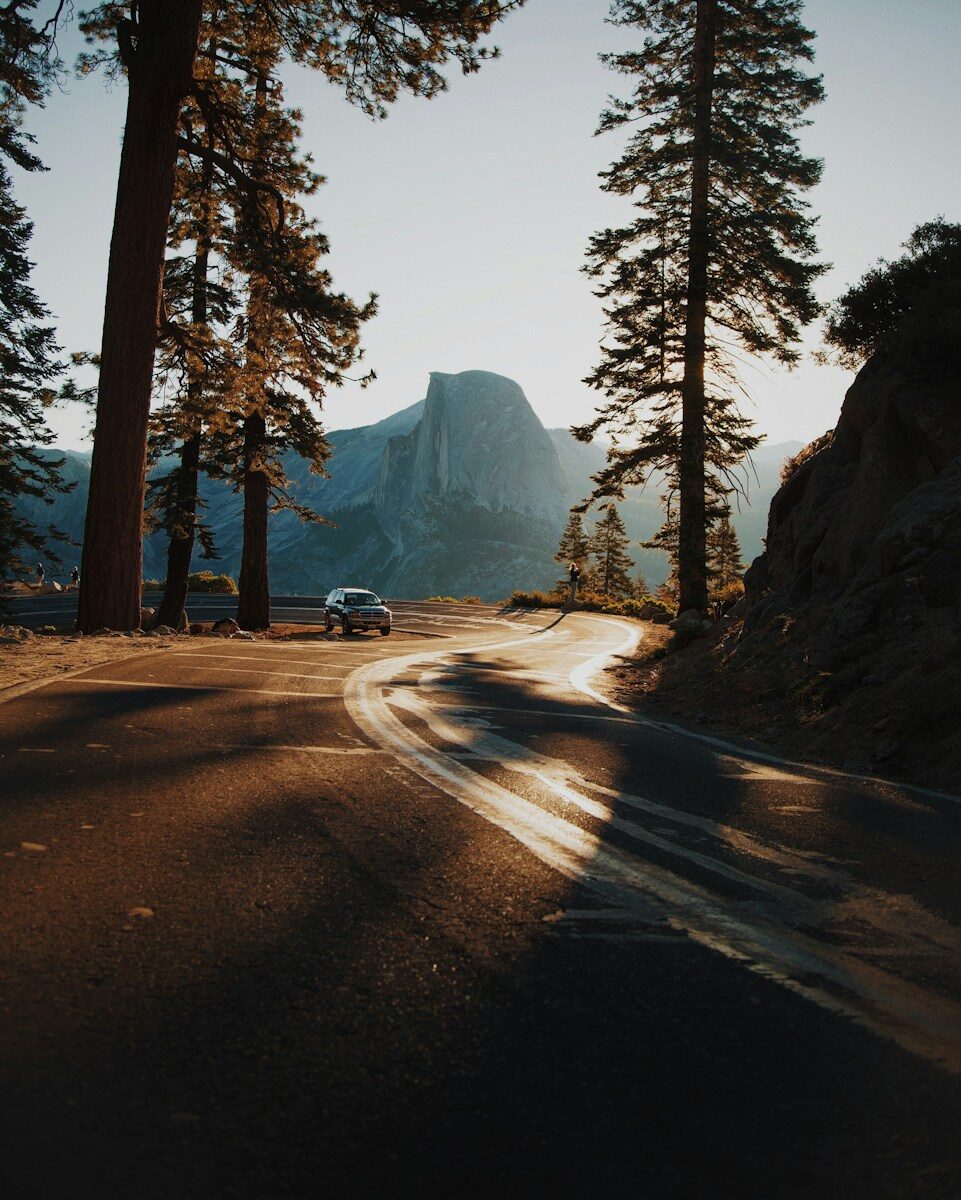
Many nature reserves are accessible without a car, but having one can make a difference when you want to visit somewhere more remote, carry plenty of gear or stay out until the light begins to fade. If you’re hiring a car for a wildlife trip, it’s worth thinking about the places you’ll visit and what you’ll need to bring.
Plan Around the Places You Want to Visit
Start with the wildlife sites on your list, then look at how you’ll get between them. A single reserve with good transport links may be easy to visit by train or bus. If you’d like to explore several places in one trip, particularly in rural areas, a car may give you more flexibility.
That could mean spending a few days along the coast of Norfolk, visiting a woodland reserve on the way to your accommodation, or changing your plans when the weather looks better somewhere else. You can also take your time rather than planning the day around the last bus home.
Think About When You’ll Be Out
Wildlife watching doesn’t always fit neatly into the middle of the day. Early mornings and evenings can be wonderful times to visit, while a coastal walk may be more rewarding if you plan it around the tide.
A car can make those early starts and late finishes easier, especially if you’re staying some distance from the places you want to explore. Before setting off, check the site’s opening times and parking arrangements. Some reserve car parks have gates, and access may be limited outside staffed hours.
Choose a Car That Fits Your Trip
You probably don’t need a large vehicle simply because you’re heading into the countryside. For a couple of people taking short walks, a compact car may be perfectly comfortable. If you’re travelling as a family or bringing camera equipment, binoculars, wellies, waterproofs and a picnic, extra boot space could be more useful.
If you’re comparing options through Autofusion Hire, consider the car’s size, how comfortable it will be on longer drives, and whether everything you’re bringing will fit safely in the boot. It’s also sensible to check the hire terms before booking, particularly if your plans involve long distances or travelling between different parts of Britain.
Autofusion Hire lets you compare vehicles from different hire partners, including SUVs if you’d like more room for passengers and kit. Availability varies by location and date, so it’s worth checking the options for your particular trip before settling on a vehicle.
Pack for the Weather, Even on a Short Visit
British weather has a habit of changing just as you reach the furthest point of a walk. Keeping a spare layer, waterproofs and suitable footwear in the car makes it easier to enjoy the day if the forecast doesn’t quite work out.
A flask, snacks and a dry change of socks are useful additions too, especially if you’re travelling with children. Having everything with you means you can stop for longer when a place catches your interest without worrying about whether you packed enough for the day.
Make Time for More Than One Stop
One of the pleasures of a wildlife trip is that it doesn’t have to follow a rigid itinerary. You might spend the morning at a nature reserve, take a coastal walk in the afternoon and stop somewhere quiet on the way back.
It’s tempting to fit as many places as possible into each day, but leaving some breathing space usually makes the trip more enjoyable. Wildlife sightings are never guaranteed, and sometimes the best part is having time to sit, look and listen.
Hiring a car can give you the freedom to explore at your own pace, particularly when the places you want to visit are spread out. Choose a vehicle that suits the people and gear you’re taking, check access before you travel, and leave enough room in the plan for the unexpected.
This is a collaborative post.