Capturing the Beauty of Nature: Photography Tips For Outdoor Enthusiasts
Imagine standing in a quiet forest, sunlight filtering through the trees, casting golden patterns on the ground. Or perhaps you’re by the ocean, watching waves crash against the shore. These moments are too beautiful to just let slip away, aren’t they?
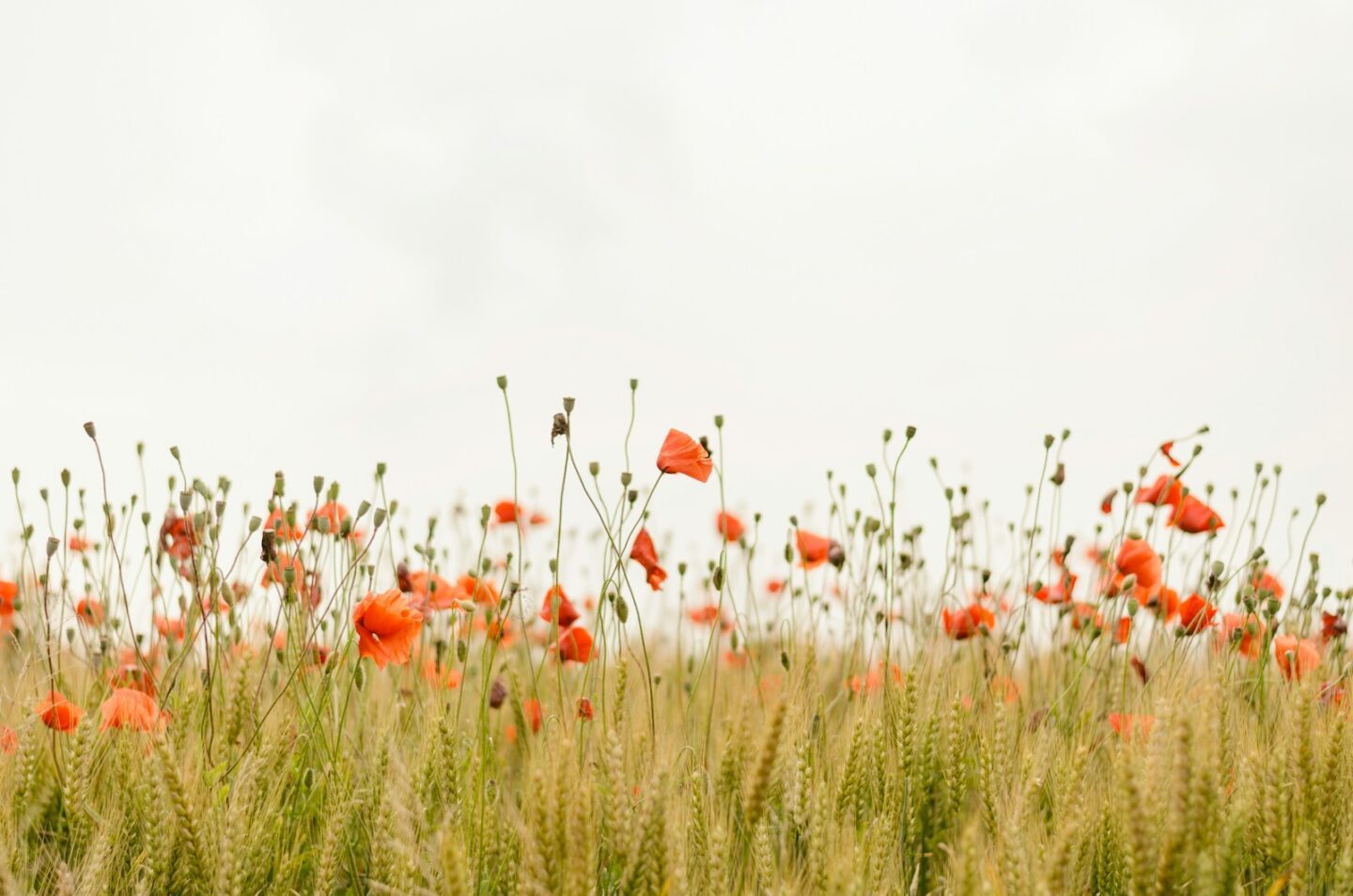
Outdoor photography allows us to capture the wonder of the natural world and hold onto it forever. But it’s not just about pointing a lens at the view. It’s about knowing how to make those images speak to the heart.
The good news? With a few thoughtful tips and techniques, you can take photos that tell stories, evoke emotions, and make memories last a lifetime. Keep reading to know how!
1. Get the Right Camera
Capturing nature in all its glory starts with the right tools. A reliable camera can make all the difference in transforming your vision into reality. Take Sony cameras as an example. They are popular among professional photographers because of their excellent image quality, lightweight designs, and user-friendly settings.
These features are especially handy when you’re navigating unpredictable outdoor environments. Simply put, they are perfect for capturing every detail, whether it’s a sweeping landscape or a close-up of wildlife.
However, when choosing your device, make sure to buy from a reputable source to ensure top-notch quality and reliability. Choose a brand known for consistent performance, robust customer support, and positive reviews. This ensures you’re investing in gear that delivers lasting value.
2. Plan Ahead for the Perfect Shot
Great photos start with great planning. So, research your location before heading out. Look for spots with striking views, unique landscapes, or natural features that stand out. Keep an eye on the weather forecast. It can set the tone for your photos. Foggy mornings add mystery, while sunny days brighten landscapes.
Likewise, timing is everything. The golden hour, just after sunrise or before sunset, provides a warm, soft light that enhances textures and colours. Just be sure your gear is prepped, too, with extra batteries and memory cards so you’re ready to capture every moment.
3. Master Your Camera Settings
The manual settings on your device might seem intimidating, but they’re your gateway to creative control. So, start with your aperture.
A wider aperture (lower f-stop) blurs the background beautifully, making your subject stand out. Conversely, a smaller one keeps the entire scene sharp. Likewise, for moving subjects like birds or flowing water, adjust your shutter speed.
A fast shutter freezes the action. On the other hand, a slower one creates motion blur for artistic effects. Finally, keep ISO low in bright conditions to avoid grainy photos and increase it slightly in dim light. Moreover, practice these settings in different environments to understand how they impact your shots.
4. Understand Natural Lighting
Nature’s light can make or break your photos. Early mornings and late afternoons offer softer light. This reduces harsh shadows and adds a natural glow. On overcast days, diffused light can help bring out the finer details in landscapes or textures.
You can also experiment with the direction of light. Side lighting creates depth. Alternatively, backlighting can produce dramatic silhouettes. So, move around your subject to discover how different angles of light transform the scene. Each change can add a new dimension to your shot.
5. Focus on Composition
Good composition can elevate even the simplest scene. Start with the Rule of Thirds. Divide your frame into a grid of nine squares and position your subject along the lines or at intersections. This technique adds balance and makes photos more visually appealing.
Furthermore, experiment with leading lines. Natural paths, rivers, or fences could guide the viewer’s eye through the image. Additionally, framing your subject with trees, arches, or other elements can create depth. Overall, the goal is to tell a story through your composition, drawing viewers into the scene.
6. Equip Yourself with the Right Accessories
Having the right tools makes all the difference, especially outdoors. A sturdy tripod is a must for long exposures or low-light conditions. It keeps your shots steady and sharp. Filters are another handy tool. Polarizing filters reduce glare and enhance skies. Alternatively, neutral density (ND) filters help manage bright sunlight for long-exposure shots.
Also, protect your gear with a weatherproof bag and lens covers. Outdoor conditions can be unpredictable, so it’s always good to be prepared. Investing in these essentials ensures you can focus on your creativity without worrying about your equipment.
Nature photography isn’t just about capturing what you see—it’s about preserving how it feels. Whether you’re shooting sweeping landscapes or the tiny details of a forest floor, the right techniques can make your images come alive.
So, grab your gear, explore the world, and experiment with your creativity. Nature is full of wonders waiting to be captured. All you have to do is be ready for the moment.
This is a collaborative post.