Can Video Games Be Good for Your Kids?
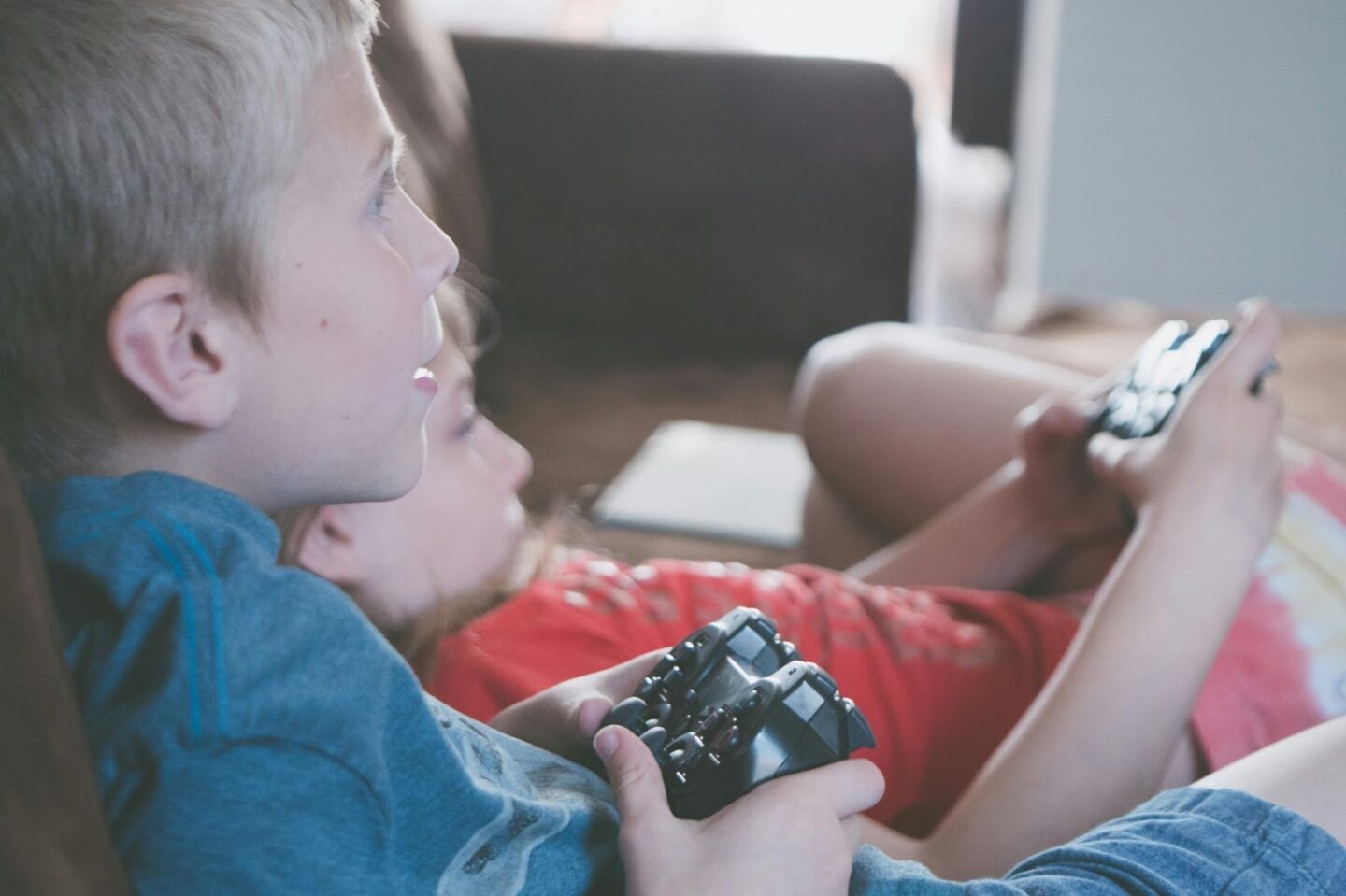
For years, video games have had a checkered reputation as to how beneficial they are for children. While they aren’t considered as horrific for kids as they once were, it still raises some eyebrows when someone suggests that video games can be good for kids, rather than just neutral.
As with everything, moderation is key. Every activity is unhealthy if you spend every waking hour dedicated to it, but this doesn’t mean the activity itself is bad. Video games can be more than just a concession to your children’s desires; they can actually be an active part of their development.
This article explores some of the benefits of video games for children, as well as how to integrate them into your family life in a healthy way.
The Bad and the Ugly
Before we look at the good of video games, it makes sense to look at how they can be problematic. Just because video games can be beneficial to your children, it doesn’t mean you don’t have to pay any attention to how your children interact with games.
Some games can be inappropriate for your children, or they might expose them to potential dangers online. Even the most appropriate games in the world can become a problem if your children don’t do anything other than play games.
So, here’s what to look out for when it comes to gaming.
Child-Appropriate Games
One of the hardest choices to make as a parent is where to draw the line as to what kinds of games your kids play. While most games have a recommended age rating on them, which should always be your first port of call, you will probably find that your children insist on playing games that are marked as too old for their age.
At the end of the day, it’s your decision as a parent to determine what your children should be exposed to in a game. Games are interactive, which means that your child is more involved in what’s happening.
Rather than going by what your child says or what their friends play, use a guide for age-appropriate games for your children that tells you what actually happens in each game. This means you can make a more informed decision about what they play that goes further than an age rating.
Managing Screen Time
Screen time is often seen as a battle of wills. Countless studies have shown that, while some screen time isn’t too bad, constant screen time can lead to concentration problems, eye strain, and other issues. Your kids need to get up and be active at least some of the time.
It’s good to set limits on screen time, ideally from a young age. While iPad parenting seems easy to start with, you’re just creating a rod for your own back when you want to put some limits in place. Never let your kids have unfettered access to screens, whether they’re playing games or watching television.
Potential Online Dangers
Unfortunately, the internet isn’t a safe place for anyone, let alone children. Even games that are designed for children, like Roblox, have a lot of adult players. While many of these players just want to play the game, you don’t know who is on the game and who is able to speak to your child.
Never let your children play online games without a measure of supervision, and, if they are talking to people online, it helps to know who they are. Make sure that your child is educated about potential dangers and red flags when they’re talking to someone online.
Games as Education
Some games can be educational, which is great for your children to learn and have fun. A lot of video games designed for younger children also offer some education, whether they’re teaching them how to read, do maths, or learn about geography. These educational games can be a good part of your child’s schedule.
But even games that aren’t specifically designed to teach can be educational. Puzzle games and card games like Freecell teach your child how to solve problems and think outside the box.
Playing Games as a Social Activity
While video games can be isolating, especially if your child sits alone in their room and plays games, they can also be a great social activity.
You can play games as a family, especially if you’re also into video games. Some coop games allow you to play along with your children and enjoy each other’s company. Party games are great for a crowd. Even split-screen is seeing a comeback for some games.
Your kids can also play online with their friends. You can create local private servers in games like Minecraft, where only people you know can play with your children. So they get the online gaming experience, with none of the risk.
Engaging With Stories
Stories are amazing for children’s development; they teach them empathy and how to relate to other people. Some of the best games out there are known for having amazing stories.
If your child likes to read fiction or if you used to read to them as a child, then these games can be a wonderful way for your child to interact more directly with their favourite stories and meet new characters.
Just check that the RPGs your child is playing are appropriate for them. If you’re into gaming yourself, you can even play through a game to determine whether you want them to play.
Finding Balance When Gaming
The short answer to the question at the start of this article is “yes”, plain and simple. But if you want video games to be good for your kids, you need to make sure they’re a balanced part of their lives.
Introduce your child to different games, and make sure they have other hobbies. There’s nothing wrong with gaming as a hobby, as long as it’s not the only hobby or skill your child develops.
This is a collaborative post.