Your Home Doesn’t Need More Space — It Needs More Natural Light
Have you ever stood in a room and wished it felt bigger? Many homeowners assume that cramped, uncomfortable spaces are simply too small. But often, the issue isn’t square footage at all – it’s a lack of natural light.
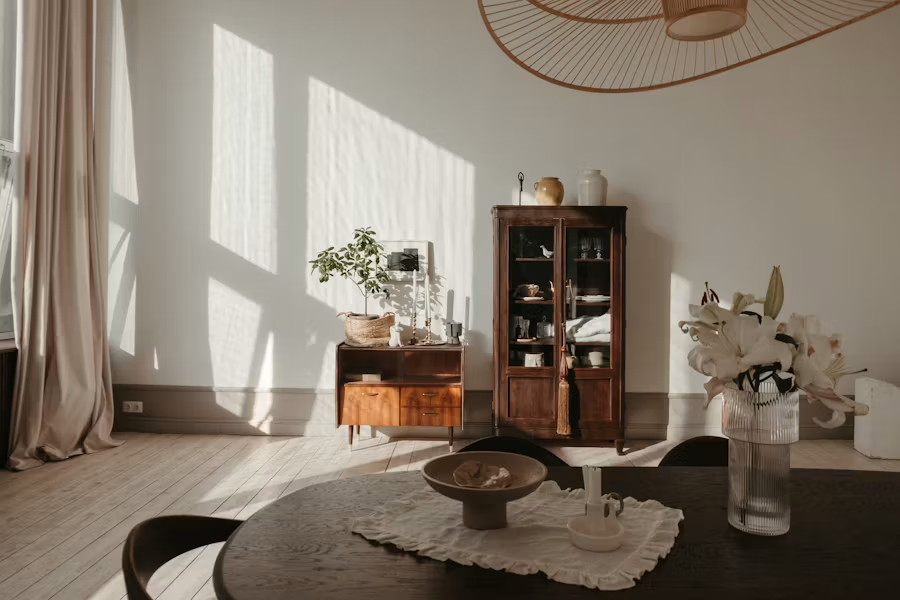
A well-lit room feels more open, inviting, and spacious, while a dark room can seem confined and cluttered, even when there’s plenty of space available. Before you start planning renovations or replacing furniture, it may be worth looking at how light moves through your home.
Why Dark Rooms Feel Smaller
Our perception of space is heavily influenced by light. When corners are hidden in shadow or natural light fails to reach certain areas, the room appears to shrink visually. Dark spaces can feel enclosed and less functional, leading you to believe you need more room when you actually need better lighting.
This is why people often find themselves constantly rearranging furniture, decluttering, or shopping for smaller pieces. While these changes may provide temporary improvements, they rarely address the underlying issue.
The real question isn’t how much space you have – it’s how much of that space you can actually see and enjoy.
Where Natural Light Gets Lost
Many homes unintentionally block valuable daylight.
Take a walk through your home during the brightest part of the day and pay attention to your windows. You may notice that:
- Heavy curtains or thick blinds cover a significant portion of the glass.
- Large furniture pieces block light from entering the room.
- Window ledges become crowded with decorative items.
- A single ceiling light leaves large sections of the room in shadow once daylight begins to fade.
When light is prevented from spreading throughout a room, the boundaries become less defined, creating the illusion of a smaller space.
A Simple Way to Assess Your Lighting
A useful exercise is to observe a room using only natural daylight.
During the middle of the day, switch off any lamps or artificial lighting and spend a few minutes looking around the space. Notice where sunlight reaches easily and where it fades away. Those darker areas are often the same spots that feel less inviting or rarely get used.
Identifying these “dead zones” can help you understand how lighting affects the overall feel of your home.
Easy Changes That Make a Big Difference
Improving the brightness of a room doesn’t always require major renovations. Sometimes, a few small adjustments can dramatically change how a space feels.
You could try:
- Replacing heavy drapes with lighter, sheer curtains.
- Pulling curtains fully clear of the window during the day.
- Moving large furniture away from windows.
- Positioning mirrors opposite windows to reflect daylight further into the room.
- Choosing lighter flooring and furnishings that help bounce light around the space.
- Using matte finishes on walls to create a softer, more even distribution of light.
These simple changes can make rooms feel brighter, larger, and more welcoming without spending a fortune.
When Your Windows Are Limiting the Light
Sometimes, however, no amount of rearranging will solve the problem. Older windows, small openings, deteriorating glazing, or poorly positioned windows can all restrict the amount of natural light entering your home.
In these situations, it may be worth consulting an experienced glazier to assess your windows. Upgrading glazing, replacing ageing glass, or enlarging window openings can significantly increase the amount of daylight entering a room, often transforming the entire atmosphere of the space.
For many homeowners, improving their windows delivers a greater sense of openness than any furniture update or decorating project ever could.
If your home feels cramped, don’t assume the walls are the problem. More often than not, the issue is that natural light isn’t reaching every corner of the room. By understanding how light flows through your space and making a few strategic changes, you may discover that your home feels far larger than you ever realised.
This is a collaborative post.