What to Do If You’re Injured in Your Deckhand Career
A career as a deckhand can be exciting and rewarding, but it does come with real risks. You’ll be working long hours and dealing with heavy equipment on rough seas. You’ll also have to navigate tight spaces, which increases the chance of injury.
When accidents happen as a deckhand, it can affect not only your health but also your income and future at sea. Knowing what to do is essential, and, in some cases, injured deckhands can speak with a Jones Act lawyer to understand their rights. Legal help may not be required if you’re injured at sea, but understanding the basics of your options can help you to make better decisions during recovery.
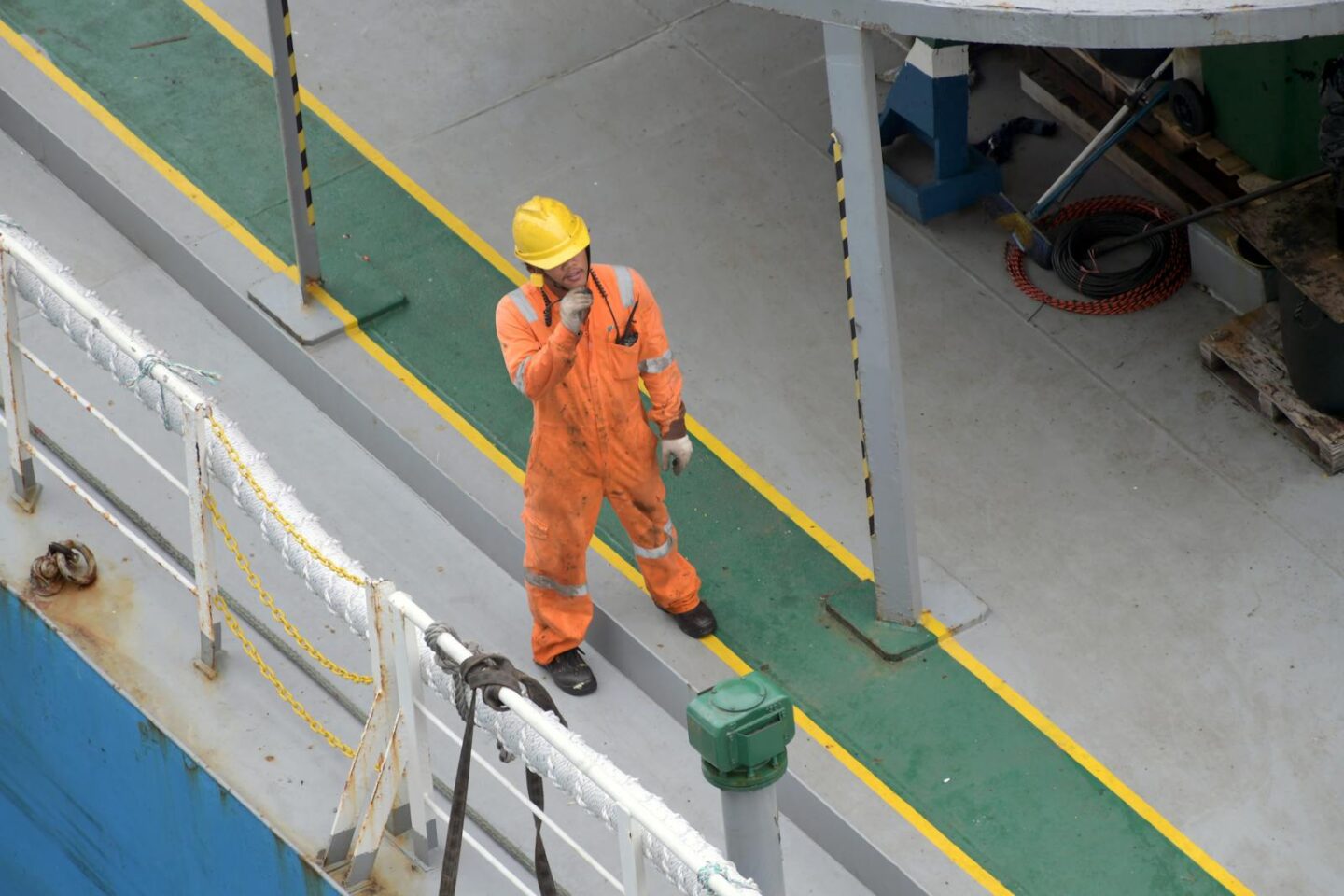
Deckhands often deal with physical work that puts a strain on the body. Some common injuries include slips and falls, back and shoulder injuries, and even broken bones when seas are rough. Crush injuries from equipment and burns can happen and repetitive tasks can also cause long-term issues like joint or nerve damage. Even minor injuries can become serious if they are ignored. Reporting injuries early and getting medical care right away is critical for both health and financial protection.
If you are injured on the job, it’s important to notify your supervisor or captain as soon as you can. Reporting the injury immediately is important for your future, and many maritime employers require prompt reporting. Delays can create problems later on for them and for you. You need to ask for the incident to be documented in writing, and you need to have a copy of that if you can. Always be honest about what happened, but avoid guessing about causes or assigning any blame unless you are 100% sure as to what caused the issue. Sticking to the facts and focusing on getting the care that you’d need will help you to recover faster.
Speaking of recovery, it’s important to seek medical treatment right away, even if you think you can work through the pain. Some injuries worsen over time, especially when your body is in shock. All the adrenaline is racing. Back and head injuries are the most important for you to look after, so follow medical advice and attend all appointments. While attending appointments, keep records of every medical visit, diagnosis, and treatment cost you have to spend, as these will be important records if questions arise about your ability to work or the cause of your injury later on. You also have to think about the financial concerns after the injury has occurred.
Maritime injuries can interrupt your income, sometimes for weeks or months. Medical bills, travel costs, and daily expenses all add up and can add pressure to you during your recovery time. Some maritime workers are entitled to maintenance and cure, which covers basic level expenses and medical care while you heal. If you understand the benefits that apply to your situation, you’ll be able to plan better financially and avoid unnecessary extra stress. Never assume your employer will explain all the available options clearly, so it’s important to get some legal guidance.
If your injury was caused by unsafe conditions or faulty equipment, you might have additional rights. Disputes sometimes arise over medical treatment payments or the ability to return to work, and professional legal guidance in these cases can help you to clarify your options. Unfortunately, injuries are a part of life at sea, but preparation and knowledge will make the difference in how quickly you recover.
This is a collaborative post.