What Changes the Way a Car Should Be Insured
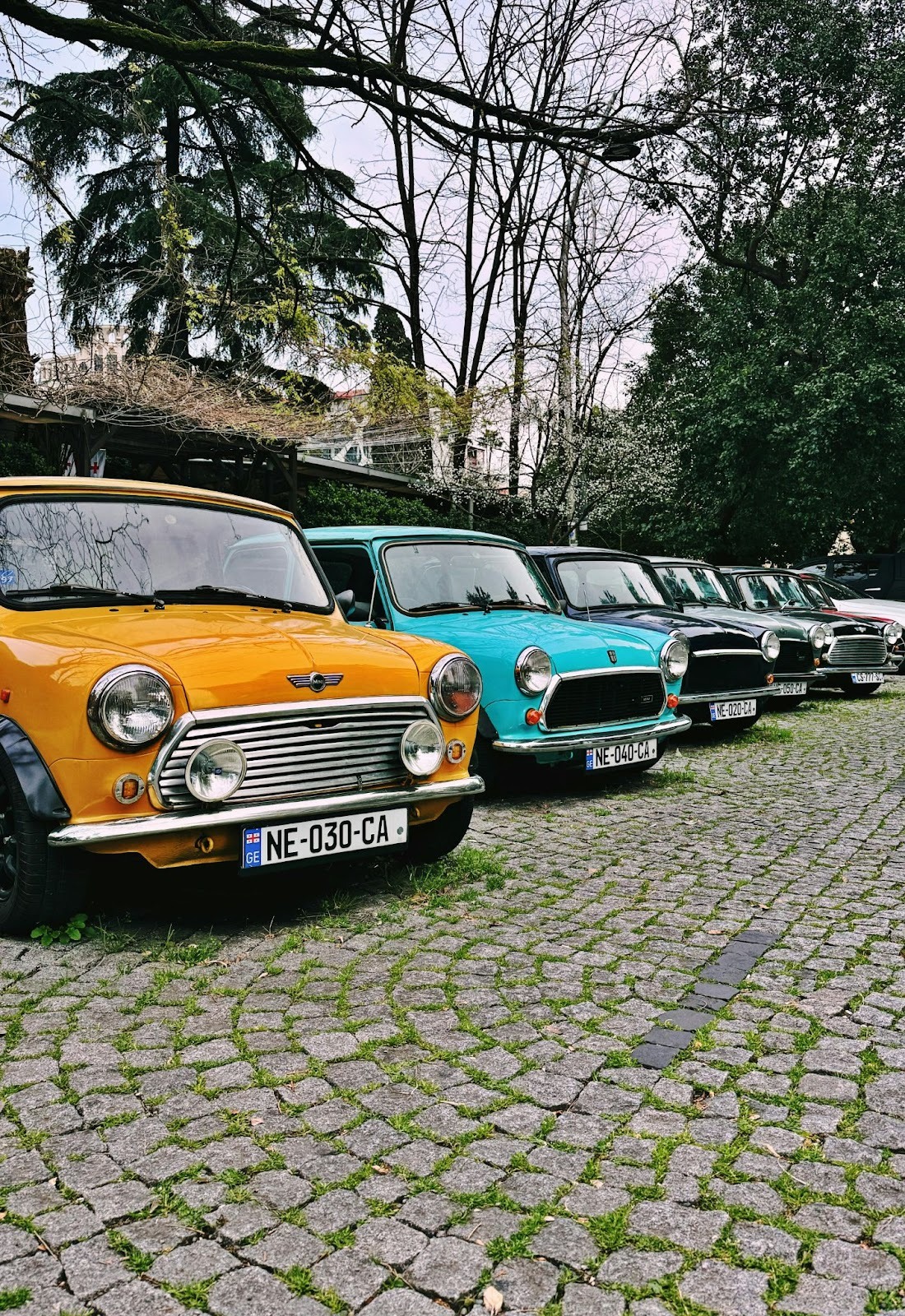
Standard car insurance is built for the majority of cars on the road; the vehicles built for commuting or pressure purposes that transport people and families from A to B for a wide variety of purposes. Car insurance protects all road users, should there be an accident or incident that occurs when you’re driving, or if your car is the subject of criminal activity. And for the majority of vehicles, this is enough.
But what about when your car doesn’t fit what is covered by standard insurance policies? When you don’t use it as frequently as other people do, or is it not “that” kind of car?
There are numerous options that change how a car needs to be insured, and if you fall outside of the “standard” rules for car insurance, you need to know. So exactly what changes the way a car should be insured?
You Don’t Use the Car Daily Anymore
You can go from using your car for 10,000 to 20,000 miles per year to using it for the odd school run or trip to Tesco or even just rolling it out for special occasions. And it doesn’t mean the car is not roadworthy; it just means how you use it changes.
It might sound minor, but this changes how you need to insure it.
When you notice this shift, you need to inform insurance companies about how it’s currently used compared to how it was used before. Because if it’s spending more time parked on the road or in a garage, for example, it’ll impact the quote and coverage you need.
The Vehicle Has Been Modified or Upgraded
Even the smallest modification can impact your insurance policy or what insurance companies will cover.
It’s not only performance upgrades you need to be concerned about here; it’s changing the colour of the car, the interiors or undertaking a restoration.
Let’s say you have a car that is considered a “classic car,” i.e., it’s over 15 years old, or it’s classified as historic because it’s over 40 years old. Anything you add to or change on that vehicle that isn’t consistent with the original parts or specifications will be considered a modification. And you need to declare these to your insurance company, which will change how the car is insured and potentially how much it’s insured for.
The Cars Value No Longer Matches Standard Market Estimates
This is really important. For the majority of cars on the road, the value will be similar or the same as market estimates. Cars, by and large, depreciate with age and use. But some cars, especially classic cars, can increase in value.
This is something that’s been happening with cars from the late 80s and early 90s, which have now been classified as classic cars. Some models are now worth much more than their original value. Meaning, if you own a hard-to-find classic car in excellent condition, it might be that your standard insurance policy is no longer fit for purpose.
It’s really important to find the right insurance policy for your classic car so you can match the real value when taking out a new policy, and ensure it’s not insured at the estimated market value. Knowing that the insurer is aware of the condition, usage of the car and how much it can fetch on the market, means you don’t run the risk of having invalid insurance or having it cancelled, and if you need to make a claim in the event of the vehicle being a write off, you’ll get what it is worth.
This is a collaborative post.