Treatment for Dry Eyes: What Really Works Best
Dry eyes are more common than most people realise. The gritty, burning sensation that comes with them isn’t just uncomfortable; it gets in the way of screen time, driving, reading, and sleep. Tear production can decline with age, hormonal shifts, certain medications, and prolonged screen exposure.
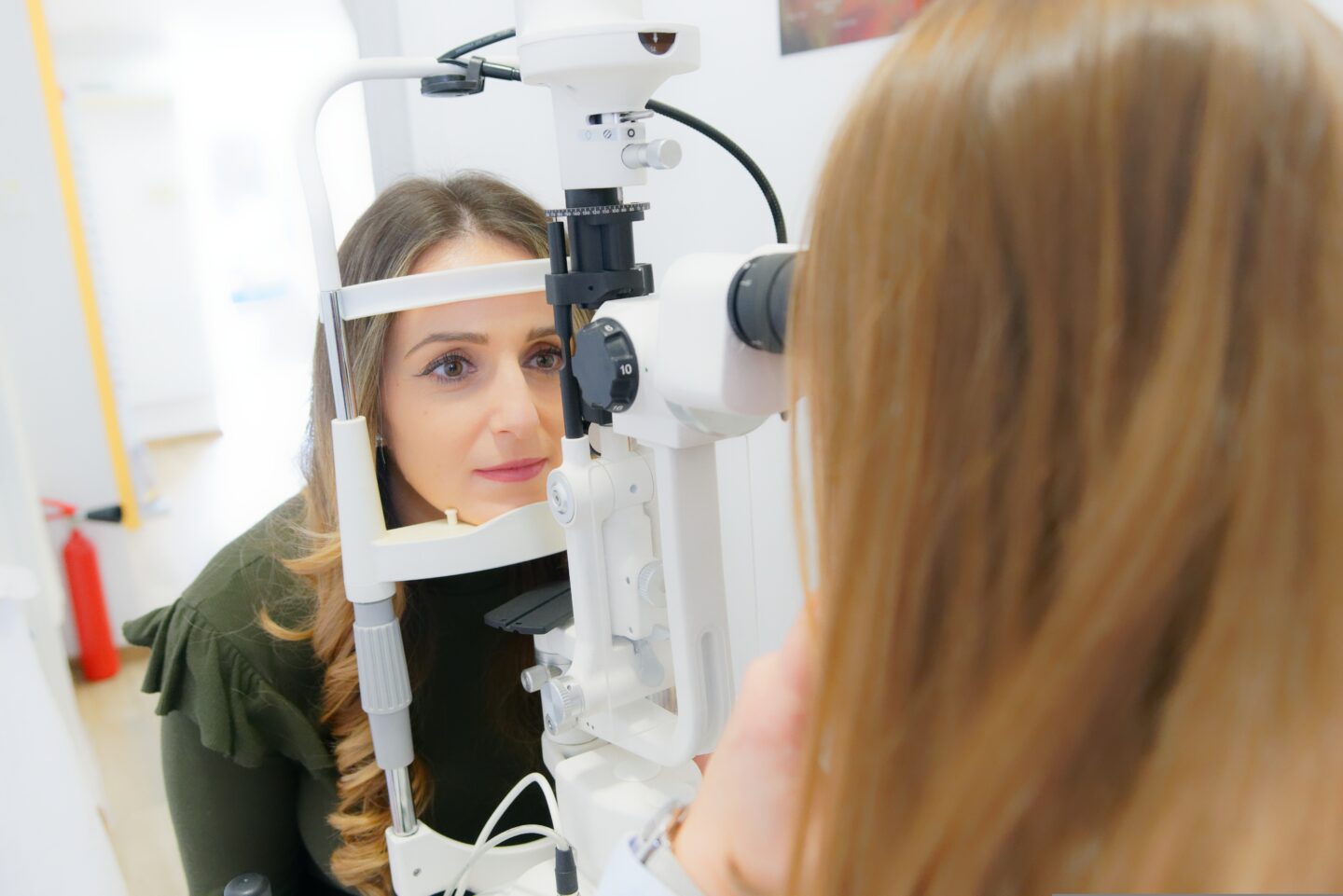
What makes dry eyes tricky is that the wrong treatment can quietly make things worse. Many people cycle through products that don’t address the actual cause, or ignore symptoms until they become harder to manage. There’s a meaningful difference between options that genuinely support eye health and ones that just mask discomfort temporarily.
Read on to find out which dry eye treatments actually work and why.
Prescription Treatments and Medical Interventions
Over-the-counter drops work for mild cases, but chronic or worsening symptoms usually need a clinical response. Dry eye isn’t always just a lubrication problem.
Seeing an eye doctor in Singapore or wherever you’re based is the right move before trying prescription options. A proper evaluation determines whether inflammation, gland dysfunction, or another condition is driving the problem.
For persistent dry eye disease, the following treatments are the most clinically supported:
Prescription eye drops
Cyclosporine (Restasis) and lifitegrast (Xiidra) are the two most commonly prescribed options. Both reduce inflammation on the ocular surface rather than simply adding moisture. They take weeks to show results, and early stinging is common, but they’re effective for people with an inflammatory component.
Punctal plugs
These are tiny silicone or collagen inserts placed into the tear drainage channels by a doctor. They slow how quickly tears drain away, keeping the eye surface wetter for longer. The procedure takes minutes, causes no lasting discomfort, and can be reversed if needed.
Intense Pulsed Light Therapy
IPL uses targeted light pulses to reduce inflammation and improve function in the eyelid oil glands. It’s typically done in a series of sessions and works best for people whose dry eye is linked to gland dysfunction. Autologous serum eye drops, made from the patient’s own blood, are another option at this level for cases that haven’t responded to other treatments.
Over-the-counter Remedies and Artificial Tears
For many people, managing dry eyes starts at the pharmacy, not the clinic. The range of products available has expanded considerably, and the differences between them matter more than most people realise.
Here are the most effective over-the-counter options worth knowing:
Artificial tears
These are the go-to for mild to moderate dryness and come in drops, gels, and ointments. The key distinction is preservative-free versus preserved formulas. Preservative-free artificial tears are the better choice for frequent daily use, since preserved drops can irritate the ocular surface with repeated application.
Eye drops for redness
Not all eye drops labelled for eye comfort actually treat dryness. Products marketed for redness relief typically contain vasoconstrictors that shrink blood vessels without addressing the tear film at all. Regular use can cause rebound redness, so it’s worth checking the label before reaching for them.
Moisturizing ointments
Gels and moisturising ointments coat the eye surface longer than standard drops, making them useful for overnight relief. They do blur your vision temporarily, so daytime use is impractical for most people. If morning dryness or tightness is a consistent problem, an overnight ointment is worth trying.
Lifestyle Changes and Environmental Adjustments
Screen habits are one of the most overlooked contributors to dry eye discomfort. People blink far less often during screen use, which causes the tear film to break down faster than it’s replenished. Taking short visual breaks every 20 minutes gives the eyes a chance to recover and reset their natural blink rhythm.
Beyond screen habits, the air around you plays a bigger role than most people expect. Heating and cooling systems dry out indoor air considerably, and a small desktop humidifier near your workspace helps slow tear evaporation throughout the day. Positioning also matters: keeping fans and air vents from pointing directly at your face makes a noticeable difference in how your eyes feel by the end of the day.
Contact lenses are another factor worth examining if symptoms are persistent. They absorb moisture from the eye surface throughout the day and reduce oxygen flow to the cornea over time. Cutting back on wear time or switching to daily disposables often relieves symptoms without needing any additional treatment.
Dietary and Nutritional Approaches
What you eat has a direct effect on tear quality, particularly the oily outer layer of the tear film. That layer is produced by the Meibomian glands along the eyelid margin, and when it’s thin or unstable, tears evaporate too quickly. Omega-3 fatty acids support the function of those glands, and the evidence for their effect on gland-related dry eye is reasonably consistent.
Dietary sources like fatty fish, flaxseeds, chia seeds, and walnuts deliver omega-3s without supplementation. For people whose diets don’t include much of those, a quality fish oil supplement is a practical alternative. Omega-3 supplements aren’t a cure, but they’re one of the few nutritional interventions with a credible clinical basis for dry eye.
Hydration matters too, though it’s easy to underestimate. Dehydration thickens the mucin layer of the tear film, which disrupts overall tear stability and makes dryness worse. Alcohol and caffeine have a mild diuretic effect, so cutting back on both supports whatever else you’re doing to manage symptoms.
Dry eye responds well to the right approach, but that approach looks different for everyone. Some people get enough relief from a preservative-free drop and a humidifier. Others need clinical treatment to see real improvement. The condition rarely resolves on its own, and symptoms tend to worsen when left unaddressed. Starting with what’s accessible and escalating when needed is a reasonable path for most people.
This is a collaborative post.