The Smart Way to Fund Your Wellness Journey
Health and wellbeing can become expensive when gym fees, nutritious food, therapy appointments and everyday household costs all compete for the same income. Yet caring for yourself doesn’t have to depend on a large disposable budget. A clearer view of your priorities, spending and possible refunds can make useful wellbeing habits far easier to afford.
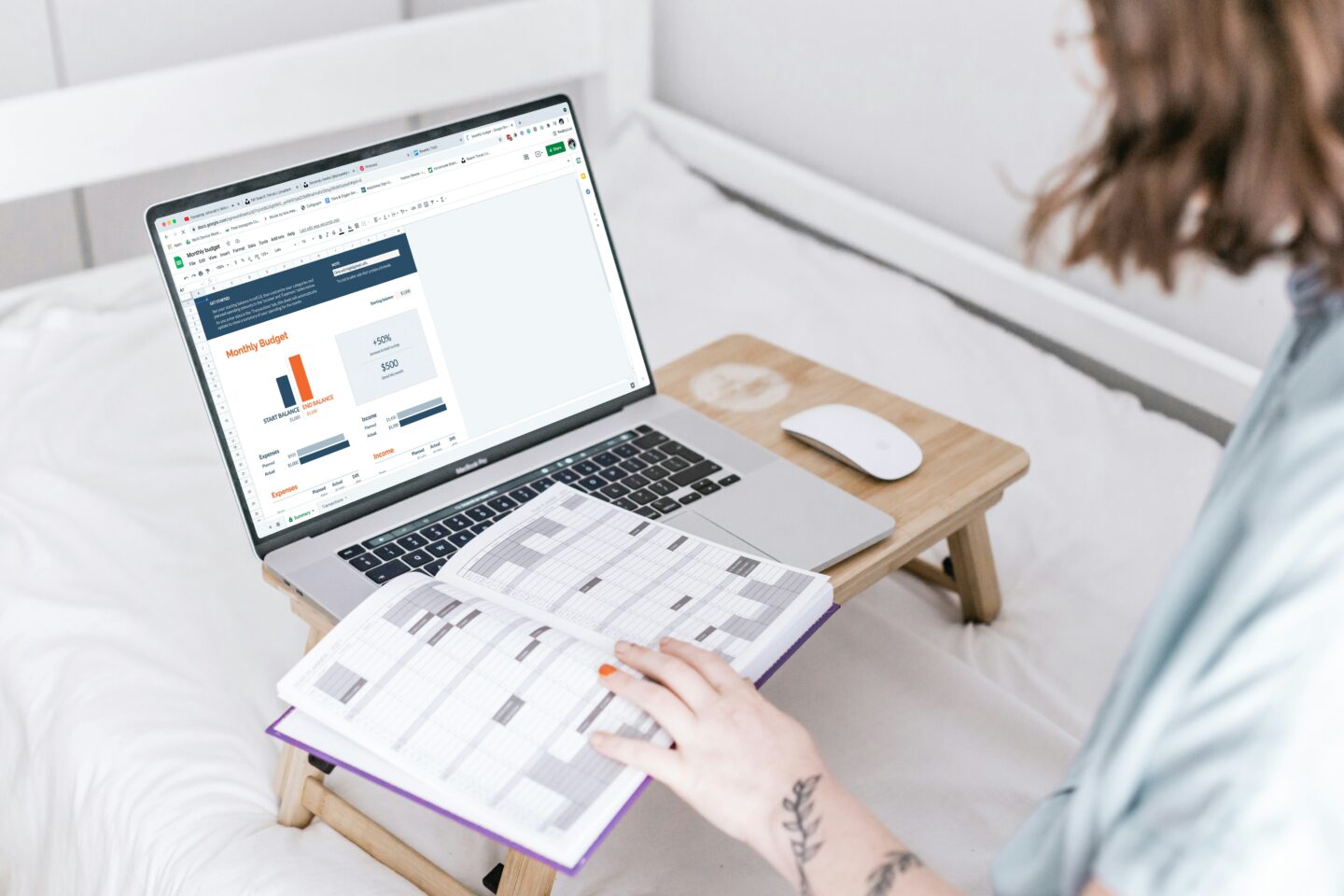
The first step is to decide which expenses genuinely support your health and happiness. From there, you can look for savings, check whether you’re owed money and create a realistic budget that leaves room for self-care without putting essential bills at risk.
Investing in Personal Health
Spending on your health can produce benefits well beyond the immediate activity. Regular movement may improve your energy and sleep, whilst preventative dental care could reduce the chance of needing more expensive treatment later. There can also be financial gains from fewer sick days, improved concentration and better management of long-term conditions. This overview of the financial benefits of wellness explains how personal health spending can support wider financial stability.
Focus first on costs that address a clear need. For example, someone experiencing back pain after working at a desk may gain more from a suitable chair or physiotherapy assessment than from an unused fitness subscription.
Before paying for a new service, ask:
- What specific result do I want?
- How often will I realistically use it?
- Is there a free or lower-cost trial?
- Can I review the expense after one month?
Think in terms of cost per use too. A £40 monthly class attended eight times costs £5 per session. If you only attend once, that same membership becomes a costly commitment.
Finding Extra Funds for Self-Care
Start with your bank statements from the past two or three months. Highlight subscriptions, convenience purchases and services that no longer reflect how you live. Cancelling two £8 subscriptions and cutting one £12 takeaway each month would release £28, enough to cover a swimming pass, a guided exercise app or part of a counselling session.
Next, check money that may be sitting outside your normal monthly budget. This could include forgotten account credit, workplace wellbeing allowances, loyalty points or refunds from returned purchases. Some employers offer support for eye tests, cycle costs or health assessments, so read your staff benefits guide before paying personally.
Your tax position may also deserve attention. UK workers can sometimes claim eligible expenses or allowances relating to areas such as work travel, mileage, uniforms and employment changes. If you’re uncertain about a possible claim, getting tax advice can help you understand what applies to your circumstances and what records may be required.
Direct any recovered money towards a named purpose. A refund assigned to six months of exercise classes is less likely to disappear into everyday spending than money left in your current account.
Are You Missing Out on Rebates?
Tax refunds are only one possibility. Health-related rebates and reimbursements can also come from employers, insurers, membership schemes and local services. The rules vary, so check the details before booking or buying anything.
Search your documents for terms such as “wellbeing benefit”, “cash plan”, “health reimbursement” and “employee assistance”. A workplace cash plan might refund part of the cost of dental treatment, glasses, physiotherapy or specialist consultations. An employee assistance programme may provide a limited number of confidential counselling sessions at no direct cost.
Keep receipts, appointment confirmations and evidence of payment together. A simple folder on your phone can prevent an eligible £30 or £50 claim from being forgotten. Note the submission deadline too, since some schemes require claims within a set period after treatment.
It’s also sensible to check eligibility before assuming a rebate will arrive. Confirm:
- Which treatments or products qualify
- Whether an approved provider must be used
- How much the scheme pays each year
- Which documents support the claim
- When reimbursement should reach you
Avoid booking care that you can’t afford without the refund. Delays and rejected claims happen, even when you believe the expense should qualify.
Budgeting for a Healthier You
Give wellbeing its own budget category, just as you would food, transport or household bills. The amount can be modest. Even £15 or £20 a month creates a fund for occasional classes, basic equipment or an appointment that would otherwise disrupt your finances.
A useful self-care budget can be divided into three levels:
- Essentials, including prescriptions, dental appointments and necessary treatment
- Regular support, such as exercise classes, nutritious meal planning or counselling
- Optional extras, including spa treatments, premium apps and new fitness clothing
Fund essentials first, then choose one or two regular activities that you’re likely to maintain. Practical self-care investment ideas can help if your routine feels limited to costly services. Rest, time outdoors, social connection and simple home-based exercise can all have a place in your plan.
Review the category every three months. If a membership hasn’t been used for six weeks, pause or cancel it and move that money towards something more suitable. Your budget should reflect your current health, schedule and income, not the person you expected to be when you signed up.
A sensible wellness plan begins with one accurate figure: the amount you can spend each month after essential costs and debt payments. Once that number is clear, check your benefits, rebates and tax position before adding new expenses. The money you uncover may be enough to turn a postponed appointment or healthy habit into an affordable part of everyday life.
This is a collaborative post.