

The Challenges of Getting Children to Look After Their Teeth & How to Overcome Them
In collaboration with Dentek.
When it comes to parenting, one of the challenges we’ve had, which has been pretty consistent throughout our daughter’s life, is trying to get her to look after her teeth properly.

When she was very small and had her first teeth, we would let her chew on a toothbrush every day to get used to it and then when she was a bit older we would brush them for her. But even now I can clearly remember it being a fight to get her to let me brush them, and I used to find it so frustrating!
Since she’s been older, it’s been a challenge to get her to brush them properly herself but she will no longer let us help to make sure she’s doing it properly, and as a typical almost-teenager, she’s as lazy with it as she can get away with!
I know how important dental hygiene is and we’ve always taught her the importance of brushing properly twice a day. She is also terrified of having any work done and injections for that, so you would think that would make her take more care of them but no! She has actually, finally got better at just getting on with it and going and brushing her teeth without me having to ask her to ten times, so maybe we’re finally moving on from tooth-brushing challenges at long last!
I’m not a fan of brushing my teeth and especially of flossing (which my dentist now says I need to do every day because I’m old!) but as an adult, you realise you have to suck it up and just get on with these boring things we have to do every day. I have floss harps which I now use a few times a week – don’t tell my dentist that it’s not yet every day – and doing it regularly really does make a difference to how clean my mouth feels so I really need to just make it a part of my daily routine.
Apparently (but not unsurprisingly!) only 32% of adults in the UK floss every day, but cleaning with a toothbrush alone only reaches 3 of the 5 surfaces of a tooth!
Flossing, however, reaches the interdental areas – the surface area between the teeth that toothbrushing tends to miss, particularly as we get older and our teeth move. Flossing with either floss, interdental brushes or wooden picks in addition to brushing our teeth may reduce the risk of gingivitis, which is the early stage of gum disease.
DenTek – who are all about dental hygiene and how to floss – have looked at the random (and often disgusting) objects people use to clean between their teeth and why they are unsafe. Items include fingernails, folded paper or card, cutlery, an earring back (!), a paper clip and strands of hair (hopefully it’s their own at the very least!!).
Many of these can harbour bacteria, potentially causing illness and infections, and be damaging to the teeth and gums. Interdental products are specifically designed with oral health in mind as well as being easier to use, so it’s best to stick to actual products designed for this purpose!
It’s really easy to take some interdental products out with you too – they’re small and you can also get little plastic packs of sticks designed to be portable.
We know dental hygiene can impact our overall health (although clearly not everyone takes it seriously!) but getting kids to realise the importance of it is such a challenge!
So I thought we would take a look at the common challenges parents face as well as offer some practical solutions to help you foster good dental habits in your own children.
1. Combating Sugar Cravings and Sticky Foods
Children love sweets, and sugary or sticky foods are often a part of their diet and lifestyle. But these foods can lead to tooth decay and cavities if dental care isn’t consistent. Reducing sugar can be a struggle for parents, especially when sugary snacks are marketed toward kids.
Solution: Introduce healthier alternatives like fresh fruit, yoghurt, or sugar-free treats as snacks. Encourage kids to drink water after eating sugary or sticky foods to rinse away residue, and consider limiting sweets to special occasions. Educate your children about the effects of sugar on their teeth in a fun and age-appropriate way – kids love stories, so framing the issue in a narrative (like “fighting sugar bugs!”) can be more engaging.
2. Making Brushing and Flossing a Fun Routine
For many children, brushing and flossing can feel like a chore. Finding a way to make dental hygiene fun is key to building consistency. When brushing and flossing feel like work, children may resist, leading to incomplete cleaning and possibly long-term oral health issues.
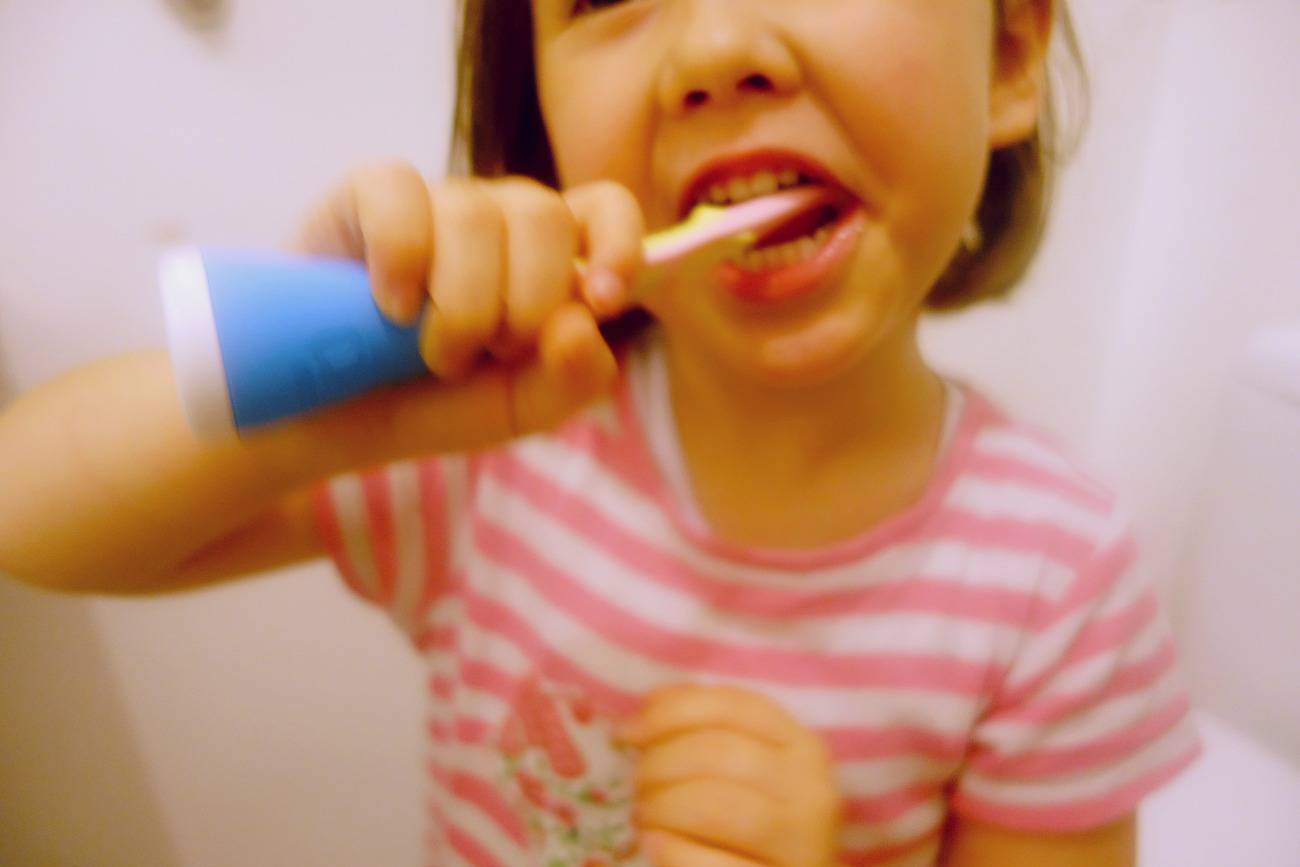
Solution: Turn brushing into a game. Use a timer to ensure they brush for the recommended two minutes, or play their favourite song while they brush. Many parents find success with child-friendly electric toothbrushes, which are both effective and exciting for young ones. Toothbrushes featuring favourite characters or fun colours can also make the experience enjoyable. Reward charts can add positive reinforcement, helping kids feel proud of their consistent dental care.
3. Teaching Proper Brushing Techniques
It’s one thing to encourage brushing; it’s another to ensure children are doing it correctly. Many kids brush too quickly, too softly, or skip hard-to-reach areas, leading to plaque buildup and potential cavities.
Solution: Demonstrate the correct technique for them. Show them how to brush in circular motions, focusing on each quadrant of their mouth, and how to hold the brush at a 45-degree angle to reach between the teeth and gums. You could even make it a family activity – brushing together can reinforce good habits and make kids feel like they’re part of the team. For younger children, consider using a visual guide or video tutorial designed for kids.
4. Managing Dental Anxiety and Fear
Visits to the dentist can be intimidating for kids, especially if they’ve had negative experiences in the past. Dental anxiety can discourage them from learning and practising good habits, as they may associate dental care with discomfort. But ultimately, the earlier your child understands the importance of good oral hygiene, the better. Early dental issues can cause a wide range of complications, such as speech difficulties that require the help of a child speech therapist, mouth pain, and self-esteem issues. Practising good habits reduces those risks.
Solution: Look for a dentist who specialises in children’s dental care. These professionals are skilled at easing children’s fears and often have child-friendly office environments. Before appointments, explain what to expect and avoid using words like “pain” or “hurt.” Many dentists in the UK offer “tell-show-do” techniques to build comfort – telling kids what will happen, showing them the tools, and then performing the procedure gently.
5. Reinforcing the Importance of Regular Dental Checkups
It’s easy to overlook regular dental visits, especially when school schedules and family activities are demanding and your child is anxious about going. However, regular checkups are essential for catching issues early and reinforcing the importance of dental care.
Solution: Schedule dental checkups at the same time each year, so they become a natural part of your routine. Make appointments positive by treating it as a “special outing” with a small reward afterwards. Let your child know that checkups are a normal part of everyone’s health routine, and explain why they’re important for catching problems early. For added support, some schools in the UK offer dental health initiatives, so check if this is available in your area.
6. Finding the Right Products for Sensitive or Small Teeth
Finding the right dental products can be challenging when kids have sensitive teeth or smaller mouths. Using adult toothpaste or a toothbrush with stiff bristles can be uncomfortable for children, and discomfort can lead to resistance.
Solution: Choose products designed specifically for children, as these are gentler on young teeth and gums. Look for a soft-bristled toothbrush with a small head that fits their mouth comfortably. Fluoride toothpaste formulated for children is often milder and can make brushing more pleasant for sensitive mouths. Allowing kids to help pick out their toothbrush and toothpaste can also make them more enthusiastic about using them!
Teaching children safe and effective dental practices is challenging but so important. These small steps can make a big difference, helping your child build a strong foundation for good oral health.
This is a collaborative post.


