The Best Free Hobbies That Could Actually Pay Off
Most of us have hobbies that cost money: gym memberships, craft supplies, golf fees. But there’s a whole category of hobbies that cost nothing to start and could put money back in your pocket, teach you a genuinely useful skill, or reward you with something tangible. According to Ofcom’s 2025 Online Nation report, UK adults spend an average of four and a half hours online every day outside of work.
That’s a lot of time spent scrolling through social media or watching clips that vanish from memory five minutes later. What if you redirected even a fraction of that time towards something with a real return? Let’s take a closer look at hobbies that won’t cost you much but might actually pay off.
Volunteer Your Way Into New Skills
Volunteering doesn’t always mean rattling a collection tin. Some of the most useful volunteer roles build skills that translate directly into paid work, and they cost nothing but your time.
Becoming a trustee for a small local charity gives you governance, budgeting and strategic planning experience that looks serious on a CV. Helping run a community garden teaches project management and teamwork. Volunteering as a parkrun marshal or event organiser builds logistics skills. And if you offer to manage social media or update the website for a local group, you’re gaining hands-on digital marketing experience that freelancers charge good money for.
Platforms like Do-it and the NCVO list thousands of opportunities across the UK, and many can be done in just a few hours a week. The payoff isn’t always immediate, but volunteering has a habit of opening doors you didn’t know existed. References, contacts, confidence and a better CV are all things that eventually convert into earning potential.
Enter Competitions Like the “Compers” Do
There’s a dedicated community of people in the UK who enter competitions as a serious hobby. They call themselves compers, and some of them win thousands of pounds’ worth of prizes every year. The routine is simple: set aside 20 to 30 minutes a day, find legitimate competitions, and enter as many as you can.
Social media giveaways, brand promotions and magazine competitions are all fair game. Many require nothing more than filling in a form or answering a simple question. Beyond traditional prize draws, online prize competitions have become a popular option for hobbyist compers. Platforms running these raffles offer prizes ranging from tech bundles and cash to cars, often with tickets costing well under a pound and a free postal entry route for anyone who’d rather not spend at all.
The compers who win consistently aren’t just lucky. They’re organised. They track deadlines, avoid scam sites, and focus on competitions with lower entry numbers to improve their odds. It’s a numbers game, and the more you enter, the better your chances.
Phone Photography That Could Actually Earn
You’re already carrying a camera everywhere you go. Modern smartphone cameras are genuinely impressive, and the gap between phone shots and professional photography has narrowed to the point where stock libraries, local businesses and social media managers don’t always care which device you used.
Start by learning the basics of composition and lighting. YouTube channels like Sean Tucker and Thomas Heaton cover fundamentals for free, and you can practise every time you leave the house. Street scenes, food, textures, local landmarks and seasonal landscapes all have commercial value if they’re shot well.
Once you’ve built up a decent collection, stock photography platforms like Alamy and EyeEm accept phone submissions. The per-download earnings are modest, but images that fill gaps in the market can tick over quietly for years.
Closer to home, local businesses often need photos for websites, Google listings and social media but can’t justify hiring a professional photographer. A strong portfolio on Instagram or a free website is often enough to land small paid jobs. It’s one of those hobbies where the barrier to entry is genuinely zero and the ceiling is as high as you want to take it.
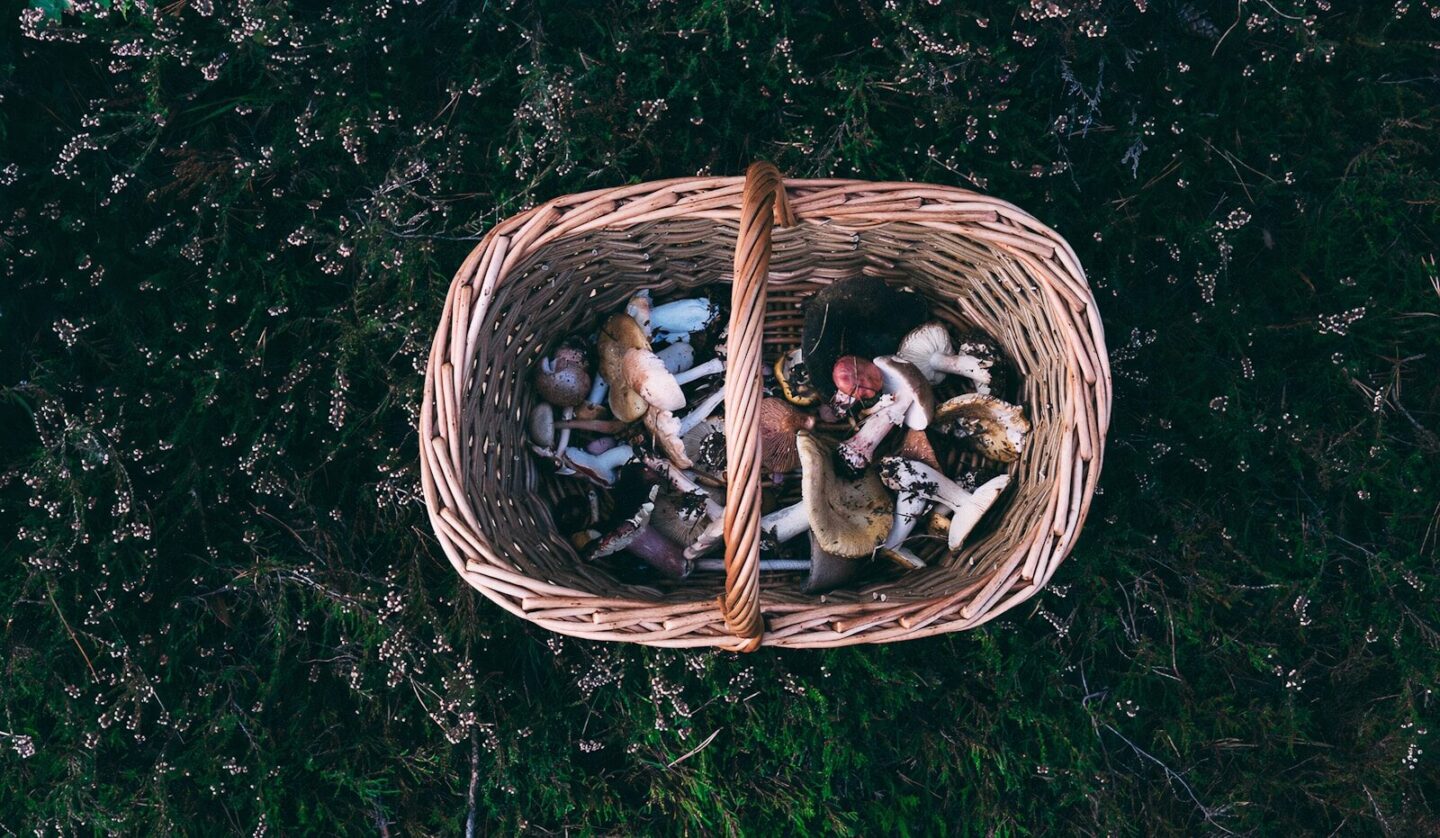
Foraging: Free Food on Your Doorstep
You don’t need to live in the countryside to forage. Urban parks, canal paths, hedgerows and woodland edges across the UK are full of edible plants, berries and fungi if you know what to look for. Blackberries are the obvious starting point in late summer, but wild garlic carpets woodland floors from March, and elderflower appears in June, perfect for cordials and even champagne.
The key is learning what’s safe. The Woodland Trust and local foraging groups run free walks throughout the year, and there are plenty of reliable guides online. It’s worth knowing that England and Wales give you a legal right to pick wild fruit, flowers and foliage from common land and hedgerows under the Theft Act 1968, though uprooting whole plants is off limits.
Once you’ve built up some knowledge, foraging saves real money on groceries. A regular haul of wild garlic, nettles and seasonal berries can replace supermarket herbs, salad bags and frozen fruit. Some foragers even sell surplus produce at farmers’ markets or to local restaurants, though you’ll want to check food hygiene rules before going down that route.
Learn to Sew and Mend Your Own Clothes
Fast fashion has made clothes cheap to buy but expensive in the long run. Things fall apart quickly, and most of us throw them away instead of fixing them. Learning to sew is one of those skills that pays for itself almost immediately.
YouTube is packed with free tutorials covering everything from sewing on a button to hemming trousers to patching jeans. You don’t need a sewing machine to get started. A basic needle and thread kit costs a couple of pounds, and from there you can extend the life of clothes that would otherwise end up in landfill.
Once you’re confident with repairs, you can move on to simple alterations. Taking in a waistband or shortening a dress yourself saves £10 to £15 each time compared to a tailor. Some people go further and start making their own clothes or upcycling charity shop finds into something they’d actually wear.
Start a Blog or Write for Competitions
If you enjoy writing, there are two paths here that cost nothing. The first is starting a blog on a free platform like WordPress.com or Blogger. Pick a topic you genuinely know about, whether that’s budget family meals, allotment gardening, or reviewing local walks. It takes time to build an audience, but blogs can eventually earn money through affiliate links, sponsored posts and ad revenue.
The second path is entering writing competitions. Dozens of free-to-enter short story, poetry and essay competitions run throughout the year in the UK, with cash prizes ranging from £50 to over £1,000. Websites like Mslexia and the Bridport Prize list upcoming deadlines. Even if you don’t win, the discipline of writing to a brief and a deadline is a skill that opens doors elsewhere.
What It All Comes Down To
None of these hobbies will make you rich overnight. But they share something in common: they’re free or nearly free to start, they give you something back, and they’re a far better use of your time than another hour of mindless scrolling.
Whether you’re filling your freezer with foraged blackberries, landing your first stock photo sale, or entering your tenth competition of the week, you’re building skills and habits that have a genuine payoff. Pick one, give it a month, and see what happens. You might surprise yourself.
This is a collaborative post.