The Benefits of Arts & Crafts for Children
Some of the loveliest memories you can make with a child come from creating something together. Their paintings might be displayed proudly on the fridge, while handmade cards and slightly wonky models are often tucked away as keepsakes to look back on years later.
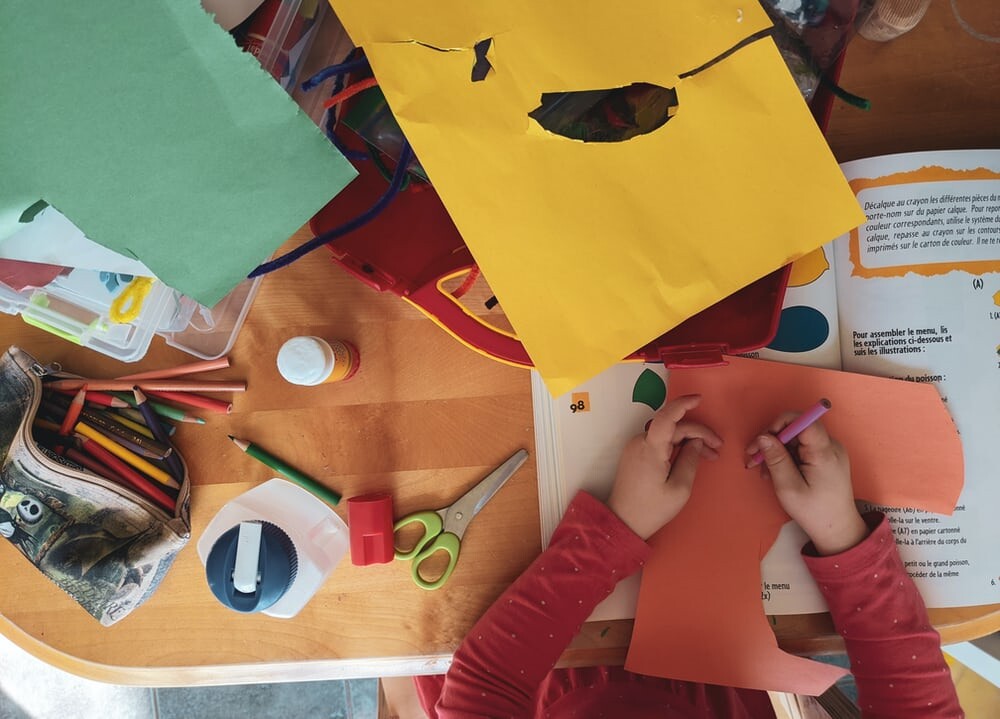
However, arts and crafts are about much more than producing something colourful. Creative activities can support children’s physical, emotional, social and cognitive development, often without them realising that they are learning.
Check out these great craft ideas if you need some inspiration for arts and crafts to do with your little ones:
Here are some of the biggest benefits of arts and crafts for children.
Develops Fine Motor Skills
Cutting paper, holding a paintbrush, threading beads and squeezing a glue bottle all require controlled movements of the hands and fingers. Regularly practising these actions can help children develop their fine motor skills.
These skills are important for everyday activities such as writing, fastening buttons, tying shoelaces and using cutlery. Younger children can begin with chunky crayons, finger painting and play dough before progressing to tools that require greater precision.
Always choose age-appropriate materials and supervise children when they are using scissors, glue or small objects.
Encourages Creativity and Self-Expression
Arts and crafts give children the freedom to explore their ideas without needing to find one correct answer. They can experiment with colours, textures, shapes and materials while deciding what they want their creation to look like.
This freedom helps children develop their imagination and express thoughts or emotions that they may find difficult to explain in words. A picture, collage or model can provide a gentle starting point for conversations about their experiences and feelings.
Try to avoid correcting their choices or showing them exactly how the finished project should look. A purple tree or a glittery green sky might not be realistic, but allowing children to make their own creative decisions is part of the fun.
Builds Confidence
Completing a creative project can give children a real sense of achievement. Whether they have painted a picture, made a birthday card or built something from cardboard boxes, they can see a clear result from their effort.
Displaying their work or giving it to someone special shows that you value what they have created. However, encouragement does not have to focus only on the finished piece. Praising their patience, ideas and willingness to try can help them understand that effort and experimentation matter too.
Supports Social and Communication Skills
Craft activities can be enjoyed alone, but they are also a lovely way for children to spend time with parents, siblings and friends. Creating something together encourages conversation, cooperation and the sharing of materials.
Group projects can help children practise taking turns, listening to other people’s ideas and working towards a shared goal. At home, sitting together to paint or make something can also provide a relaxed opportunity to chat and strengthen your bond.
Encourages Problem-Solving
Creative activities do not always go according to plan. A model might keep falling over, two pieces may not fit together, or a child might run out of the colour they wanted to use. Working out what to do next encourages flexible thinking and problem-solving.
Children learn that there can be several ways to complete the same task. They might strengthen a cardboard structure with tape, mix colours to create a new shade or use a different material when their first choice does not work.
These small challenges can teach children to adapt, persevere and try again rather than immediately giving up.
Develops Decision-Making Skills
Arts and crafts involve a surprising number of decisions. Children choose which materials to use, where to place different elements and when they feel their work is finished.
Giving them control over these choices can help them become more confident in their decisions. It also allows them to explore cause and effect – for example, discovering what happens when they mix two paint colours or use too much glue.
Improves Concentration and Patience
Some creative projects require children to slow down and concentrate on one task for a while. They may need to carefully colour a small area, wait for paint to dry or follow several steps to complete a model.
These activities can gradually help develop patience and attention. Start with short, simple projects for younger children and follow their interests rather than expecting them to sit for longer than they are comfortable with.
Supports Early Learning
Arts and crafts can reinforce a wide range of early learning skills. Children might practise recognising colours and shapes, counting beads, creating patterns or following instructions in the correct order.
Crafts can also be linked to subjects they are exploring at home or school. They could make leaf pictures while learning about the seasons, create animal masks after reading a story or build a model planet as part of a space-themed activity.
Provides a Calming Activity
Painting, colouring and moulding clay can be soothing activities, particularly after a busy day. Repetitive movements and the chance to focus on something creative may help children relax and regulate their emotions.
Not every craft session needs to have an educational goal or result in a finished item. Sometimes simply enjoying the materials and the process is enough.
Arts and crafts offer children a fun way to learn, experiment and express themselves. You do not need an expensive collection of supplies or a perfectly planned activity. Paper, crayons, recycled boxes and a little imagination can provide plenty of opportunities to create.
The finished project may become a treasured keepsake, but the confidence, coordination and problem-solving skills developed along the way are just as valuable.