Reducing Household Energy Consumption—A Practical Guide for Everyday Appliances
Energy efficiency at home represents one of the most accessible ways for individuals to shrink their environmental footprint while keeping more money in their pockets. Simple adjustments to how we use and select everyday appliances can yield substantial reductions in energy use and utility bills over time. Whether you’re motivated by lowering monthly expenses or minimising your carbon footprint, understanding the energy demands of your household devices provides a practical foundation for meaningful change.
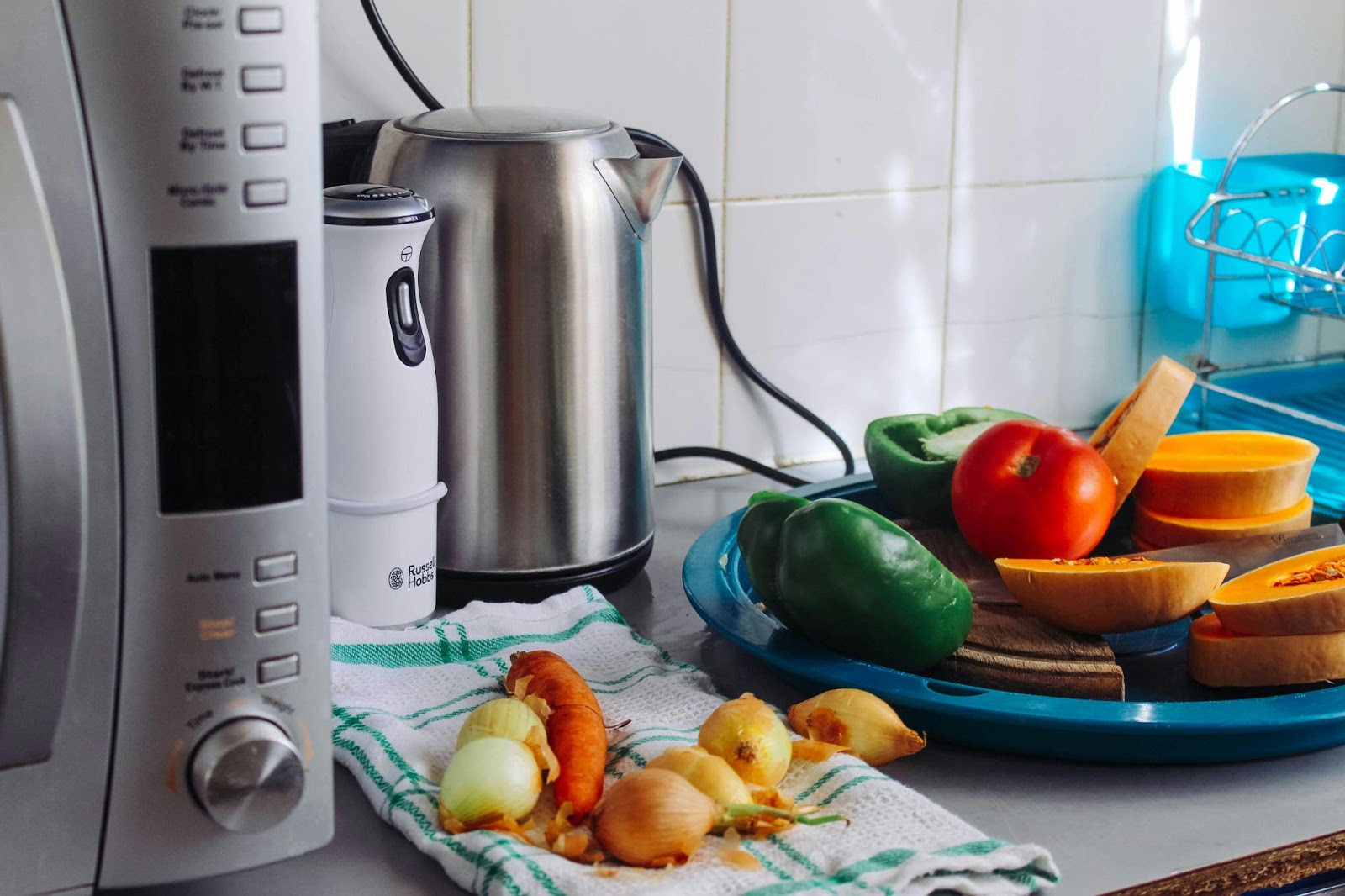
Understanding Household Energy Consumption
Household energy consumption covers all electricity and fuel that powers appliances, heating, cooling, and lighting systems within a home. The biggest energy consumers typically include HVAC systems, water heaters, refrigerators, and laundry equipment. Yet the combined effect of smaller devices—from kitchen gadgets to entertainment systems—can make up a significant portion of your home’s energy usage. Many homeowners underestimate how these seemingly minor contributors add up to impact their energy bills.
The Role of Personal Care Appliances in Energy Use
Personal care devices play a noteworthy role in household energy consumption, though they rarely take centre stage in energy-saving conversations. Electric toothbrushes, shavers, and styling tools all consume power, but their impact varies considerably. Among personal care appliances, the hair dryer stands out as particularly energy-intensive, typically drawing between 1,200 to 2,000 watts during use. Though used intermittently, these high-wattage devices can consume more energy in 10 minutes than many electronics use over several hours of operation.
How Appliance Features Affect Energy Efficiency
An appliance’s wattage directly correlates with its energy consumption, but today’s devices offer features that can dramatically improve efficiency. Multiple heat settings enable users to select lower power options when maximum heat isn’t necessary. Cool air functions typically draw less electricity than heated settings. Automatic shut-off features prevent wasted energy, while brushless motors enhance efficiency and extend the lifespan of your appliances. When shopping for personal care devices, these features deserve consideration alongside performance attributes.
Practical Tips for Reducing Energy Use with Personal Care Appliances
To minimise energy consumption with personal care devices:
– Opt for the lowest effective heat setting that meets your needs
– Thoroughly towel-dry hair before reaching for heated styling tools
– Keep appliances well-maintained by cleaning filters and checking for damage
– Unplug devices when not in use to eliminate phantom power draw
– Be mindful of usage time—shorter operation periods translate to less energy consumed
Regular maintenance ensures your appliances operate at peak efficiency, preventing the increased energy consumption that happens when motors struggle against clogged filters or worn components.
Evaluating and Choosing Energy-Efficient Appliances
When it’s time to select new personal care appliances, seek out models with transparent energy consumption information and efficiency certifications. Compare wattage specifications between similar models—lower wattage generally signals lower energy use. User reviews often provide valuable real-world insights into efficiency claims. While energy-efficient models might carry a higher price tag initially, the long-term savings on your electricity bill typically offset this investment during the product’s lifetime.
Real-World Scenarios: Making Energy-Smart Choices
Take the case of a family that replaced several ageing personal care appliances with energy-efficient alternatives. By choosing a lower-wattage hair dryer with multiple heat settings and switching to rechargeable electric shavers, they cut their monthly energy consumption by roughly 5%. In another example, a college student began unplugging all personal care devices when not in use, eliminating standby power consumption and seeing immediate savings on their utility bill.
Building Sustainable Habits at Home
Mindfulness about how we use appliances offers a powerful tool for reducing household energy consumption. By understanding the energy demands of personal care devices and adopting simple efficiency practices, we can achieve meaningful savings while lessening our environmental impact. Remember that consistent small changes—like selecting appropriate heat settings or performing regular maintenance—add up over time to create significant energy and cost reductions.
This is a collaborative post.