Optimising the Space in Your Living Room
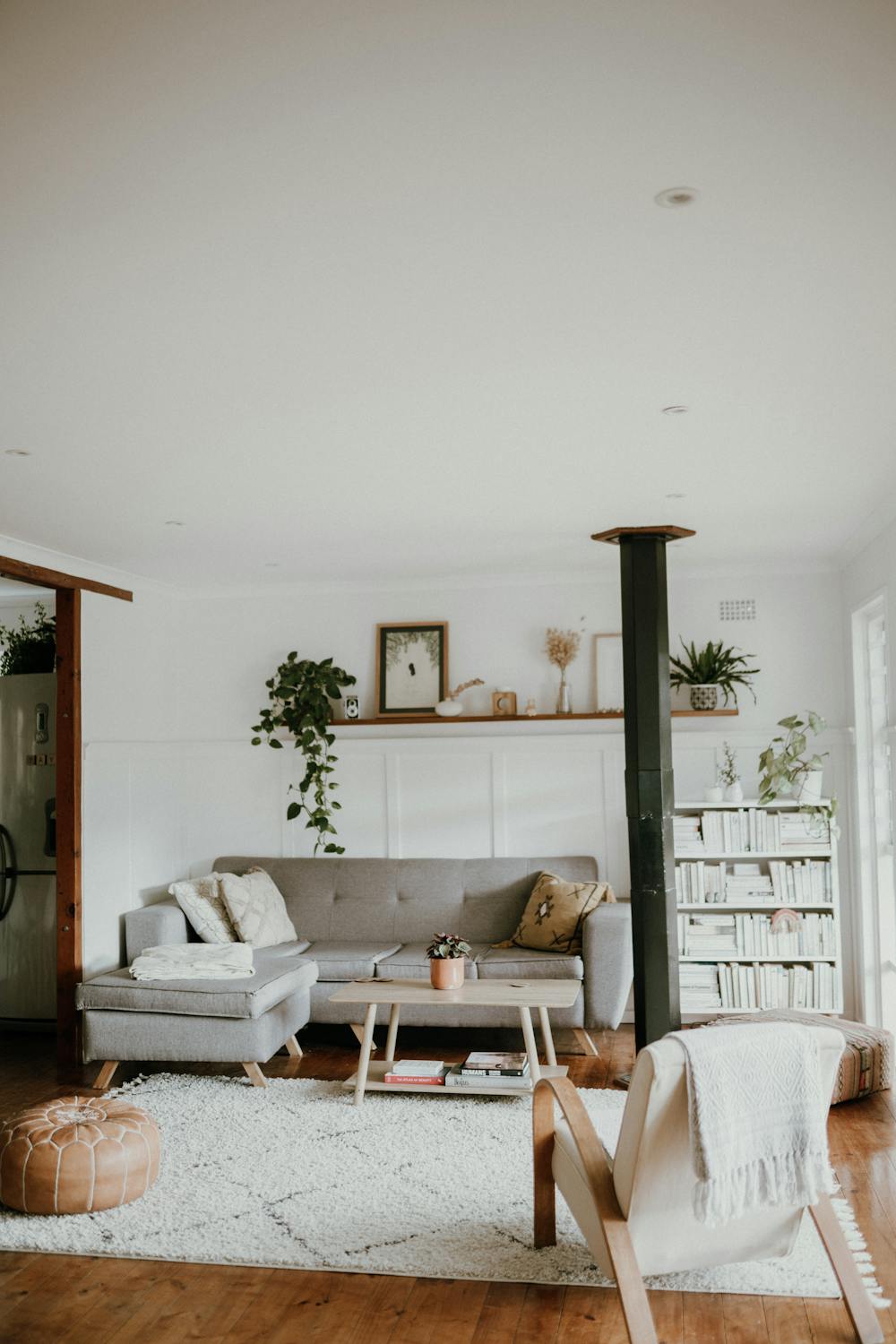
We could all do with a little more space, especially in the living room where we spend a whole lot of time relaxing, entertaining and having quality family time right, but how exactly do we get that space? Here are a few ideas you might want to try.
Making Friends with Negative Space
One of the biggest misconceptions about “optimising space” is that you have to fill every inch with stuff. Furniture, ornaments, shelves, and all sorts of decorative trinkets can end up packed against the walls until your living room resembles a hoarder’s paradise. Yet the real secret to a room that feels open and inviting is leaving a bit of breathing room, also known as negative space.
By not cramming your room with too many bits and bobs, you’ll find that the pieces you do choose to display suddenly look twice as impressive. Give your eyes somewhere to rest between items, and the entire environment becomes more relaxed. It might feel weird at first to see an empty corner that isn’t occupied by a dusty houseplant, but trust me, sometimes less truly is more. Your houseplant will likely thank you, too, if it’s been half-dead in that corner for months.
Let the Furniture Work for You
Your sofa, armchairs, and coffee table shouldn’t just be plonked down at random. In the quest for more living room space, a carefully planned arrangement can be the ultimate game-changer. If everything is pushed against the walls, the centre of the room can end up looking like a sad dancefloor nobody’s brave enough to use. Instead, try floating your sofa away from the wall by a few inches or even placing chairs at a slight angle to create a better flow for foot traffic. It’s amazing how shifting a single armchair can open up a walkway and make the entire room feel bigger.
While you’re at it, consider whether that hefty bookshelf looming over your sofa could work better on a different wall or in a different room entirely. In many cases, rearranging what you already have can make the most significant difference to the space you enjoy every day.
The Grandeur of a Media Wall Fireplace
Sometimes, you just need a showstopper. One of the most impressive ways to optimise your living room space is to invest in a media wall fireplace. It’s essentially the ultimate double act: the cosiness and gentle glow of a fire combined with a perfectly integrated TV or entertainment system, all streamlined into a feature wall. Without the need for clunky TV stands or the looming presence of a large fireplace jutting out, a media wall fireplace saves a surprising amount of floor space. It also creates a stunning focal point that draws everyone’s attention the moment they enter the room.
With so many styles, sizes, and finishes to choose from, you can go sleek and minimalist or dramatic and grand. Either way, it’s an instant conversation starter, especially if your guests are used to seeing your telly perched awkwardly on a rickety stand from your student days. Bonus points if you opt for an electric model that can flick between different flame settings, so you can dial up the drama or dial down to a gentle glow whenever you fancy.
Harness the Power of Versatility
When you’re looking to make the most of a living room, versatility is your best friend. Pieces of furniture that serve more than one purpose can feel like you’re cheating at the whole space game. Sofa beds are a classic example, especially useful if you have overnight guests or a multi-purpose living space. Nesting tables that can be tucked neatly away when not needed are another firm favourite among space-savers, as they’re perfect for storing inside each other instead of sprawling all over the place.
Ottomans with hidden storage are practically unstoppable in their brilliance. They serve as footrests, extra seating, and a sneaky place to chuck spare cushions or that random stash of remote controls. You can also apply the versatility principle to decorative items by thinking about whether a piece can also function as something else. If you’re a bit of a craft enthusiast, for instance, a stylish wooden trunk can double as a coffee table while secretly holding all your yarn or painting supplies. The living room remains tidy, and you always know where your stuff is hidden.
Amplify with Mirrors and Clever Distractions
Mirrors might not physically add square footage, but they can definitely trick the eye into thinking your living room is bigger than it is. The trick is to position them so they reflect the most open part of the room or bounce light around in a flattering way. A well-placed mirror can open up a space so dramatically that you might even catch yourself doing a double take, thinking you’ve discovered a secret annexe.
Choose a style that matches your décor – anything from sleek modern frames to ornate gilded showpieces – and let your reflection do the rest. Another sneaky way to make a room feel larger is to draw the eye upward. Tall bookcases or tasteful curtains hung closer to the ceiling can stretch the perception of height, so your living room appears loftier. It’s a bit like wearing vertical stripes on your outfit instead of horizontal ones. Sometimes illusions are all you need to turn a cramped lounge into a chic retreat.
Keep Everything Accessible (But Not in the Way)
Optimising space doesn’t mean hiding everything behind closed doors and then forgetting where you put it. The ultimate aim is a balance between tidiness and convenience. It’s lovely to have a minimal aesthetic, but if your everyday essentials are stashed in the loft, you’ll be cursing your design choices the moment you want to curl up with a blanket or find that missing TV remote. Consider open shelving or low cabinets where you can keep your favourite items in easy reach while also contributing to the décor.
The real trick is to ensure that whatever you need is logically placed where you’ll use it. If you’re constantly reaching for your reading glasses or the TV guide, have a dedicated spot on the coffee table or side table rather than letting them vanish into the sofa cushions. And if you’re forever losing your phone down the back of the sofa, perhaps that ottoman with a hidden compartment is precisely the fix you need.
Shake Up Your Layout with Zoning
Open-plan living spaces are increasingly popular, but they can be challenging when you want a cosy lounge vibe without feeling like you’re binge-watching TV in the middle of a kitchen. This is where zoning comes in. Even if you have a traditional living room, dividing it into distinct areas for different activities can make the entire space feel bigger and more organised. One corner might be dedicated to reading, complete with a comfy armchair and a small bookshelf, while the central area remains for chatting with guests or watching films.
A well-placed rug, cleverly angled furniture, or even a low console table can help define each zone. It’s all about creating visual boundaries that stop your living room from feeling like a single multi-purpose blob. You’ll be surprised how a small shift, like rotating the sofa to face a different direction, can give your entire home a more structured atmosphere.
Don’t Underestimate the Floor and Ceiling
When we think about living room décor, our attention usually focuses on the sofa, the walls, and maybe a decent TV setup. However, the floor and ceiling are two huge areas often overlooked in the quest for space optimisation. A pale or light-reflective flooring choice can make a room seem airier, while a patterned rug can anchor your seating area in style. If your floor is on the darker side, balancing it with lighter walls and furniture can keep it from feeling like a cave. Meanwhile, the ceiling offers a wonderful opportunity for space illusions.
A ceiling painted just a shade lighter than the walls can make it look taller, and if you’re feeling adventurous, a subtle pattern or texture on the ceiling can draw the eye upward. You might also want to consider discreet shelving or storage around the top edge of the room for items you don’t use every day, freeing up lower shelves for the things you reach for regularly. It’s a bit like turning your living room into a mini library, minus the stuffiness.
Now you have the space, it’s time to start living in it!
This is a collaborative post.