Office Furniture Trends For 2026: What’s In And What’s Out?
As technology and the way we work have shifted, so has the type of furniture we choose for our office spaces. Rewind to the 80s and everyone was working in cubicles and using filing cabinets. Walk into your average office now and it’s likely to be paperless and open plan. Furniture is now built to support computer use and collaboration. Growing awareness of sustainability and ergonomics has also reshaped chairs and desks.
Where is office furniture design heading next? In this post, we’ll take a look at some of the newest trends guiding the future of office furniture – including what is ‘in’ and what is ‘out’.
OUT: One-size-fits-all ergonomics
Everyone knows that poor posture and uncomfortable seating can lead to aches and strains. But what is the perfectly designed desk setup to ward off back pain and cramps? Several studies years ago attempted to establish a perfect desk height and seating height, while also preaching that you should sit with your back completely straight. This led to furniture being built to encourage a specific rigid position. But more recently there have been debates over ergonomics – it turns out people come in all dimensions and holding any position rigidly can cause cramps.
IN: Micro-adjustable chairs and sit-stand desks
Fully flexible furniture seems to be the answer to the ergonomic debate. Giving people the power to fully adjust chair height, headrests and arms allows people to find a position that is comfortable for them. Office chairs are also being designed to support weight in different ways, allowing for the option of changing positions from leaning forward to leaning back. Meanwhile, sit-stand desks have started to take off – these are height-adjustable desks that workers can use while standing up or while sitting down. Such desks are also able to better support people of different heights – even if office chairs can be adjusted in height, everyone’s legs and bodies are of different proportions, so being able to alter desk height can be useful too.
OUT: Tiny rectangular desks
The digitisation of everything from calculators to diaries meant that people didn’t need as much space on their desks. The growing popularity of laptops, meanwhile, further reduced the need for large executive desks. Many people began buying tiny desks, but recently there’s been a shift – it turns out not everyone wants to work from a laptop. There has been a move towards multiple large monitors, while extra peripherals like webcams and microphones have become more popular for supporting high-quality video calls. This has meant that tiny desks are no longer functional.
IN: Large L-shaped desks
More offices are switching to large L-shaped desks in 2026. These desks can support multiple monitors and devices. They can also fit into corner offices more easily, as well as creating a cosier ‘nook’-like feel in more open areas. They also encourage workers to swivel around and move more, which helps maintain good circulation and prevent cramps. You can compare different styles of these office desks online.
OUT: Open plan everything
The rise of the open-plan office was a rebellion against cubicles – designed to encourage collaboration and communication. Open-plan layouts were also seen as cheaper and more flexible by many companies. However, as more companies began to go open plan, it became apparent that this lack of privacy had its downsides. Certain tasks require intense concentration and there are certain conversations that benefit from discretion – something that fully open-plan offices don’t accommodate. On top of this, open-plan offices may encourage certain bosses to micro-manage staff.
IN: Acoustic panels and work pods
Both fully open-plan and entirely cubicle-based offices have their downsides. The solution is to find a middle ground. We are likely to see more offices establishing private areas for sensitive calls or focus-heavy tasks. Acoustic panels can be a way to close off certain areas, while acoustic work pods are another option. These screens and pods help absorb sounds to muffle background chatter and maintain some privacy.
OUT: Stark monochromes
No office should feel like a black-and-white movie. There needs to be some pops of colour or some earthy tones to cheer the place up. This is particularly important in creative work environments where colour helps to stimulate imagination. Despite a move towards more colour in the 00s, many offices have continued to adopt glossy monochrome desks and chairs, instead adding colour to the flooring or walls. There are advantages to options like stark white desks in certain environments like healthcare practises – they help to emphasise a sense of cleanliness. However, in other environments, this ‘clinical’ appearance doesn’t always set the right mood.
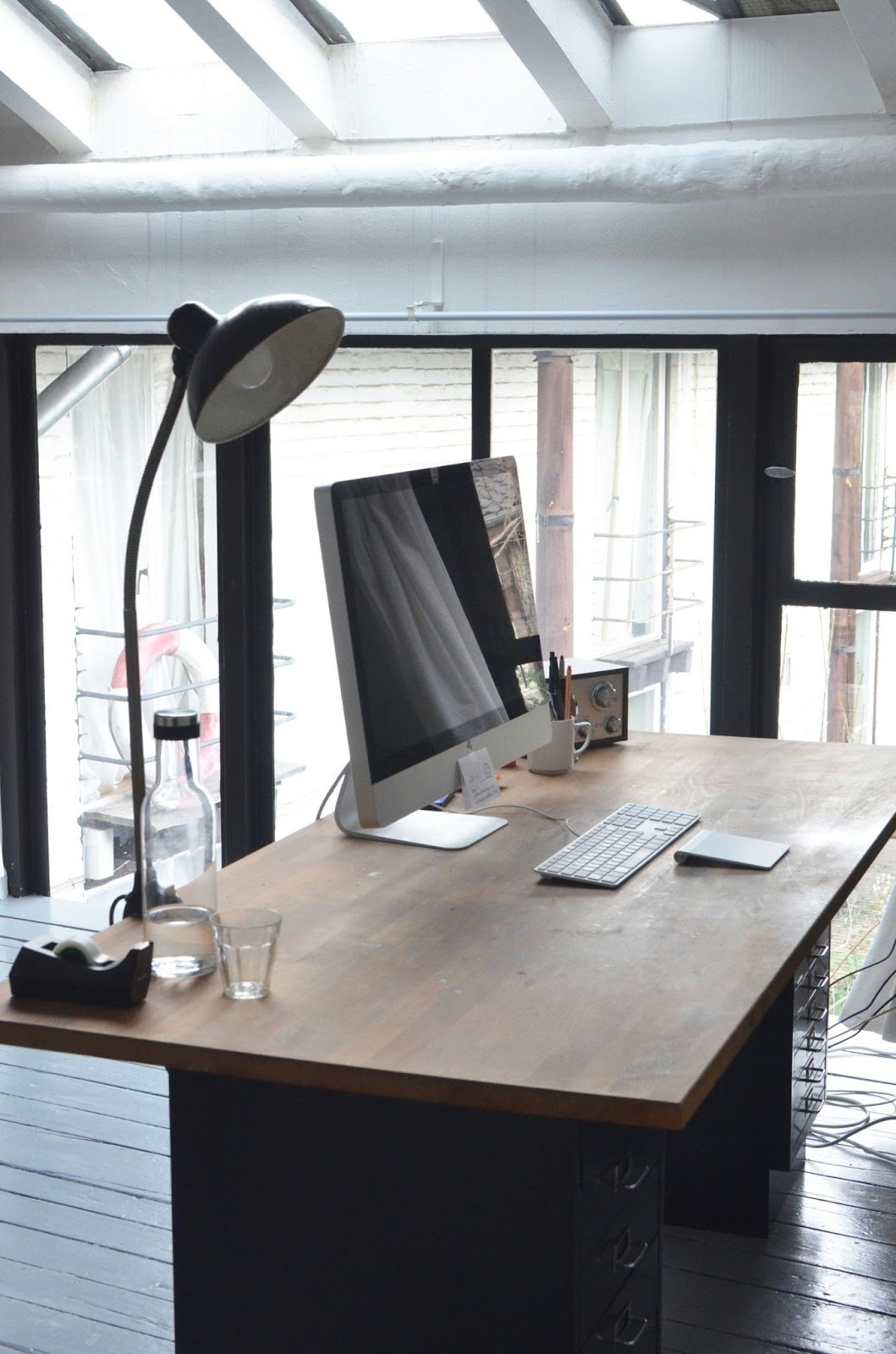
IN: ‘Resimercial’ wood tones
‘Resimercial’ design is fast becoming the new trend. This promotes warmer colours, shapes and textures that are closer to furniture used at home. Natural wood tones are thought to be much more calming than stark monochromes, and many offices have now started choosing desks that use these textures. Woods like beech offer a lighter, more casual look, while timbers like oak and walnut can have a more sophisticated, formal look while still being soothing. Laminates can be used to simulate the look of wood for those furnishing an office on a tight budget, while real hardwoods can give an office a more high-end look (which might be better if you’re regularly inviting in high-end clients).
Embracing changing office furniture trends
If you’re thinking of replacing your old office furniture or are furnishing an office for the first time, consider the above trends when choosing items to furnish your office. It’s worth noting that different industries may benefit from different types of furniture to match the tasks performed and the desired atmosphere. As tech continues to evolve and attitudes to work change, we may see furniture evolve as well. As a result, it’s important to keep updating things every few years (ideally offices should have a makeover every 5 to 10 years to stay current and relevant).
This is a collaborative post.