How to Dress for a White Party Without Blending In
An invitation that simply says ’wear white’ sounds easy until the day arrives. Suddenly every outfit looks too bridal, too casual or oddly similar to what everyone else is likely to wear. The good news is that a white-themed gathering is one of the most forgiving dress codes around, as long as you put a little thought into shape, texture, and the finishing touches.
Reading the Invitation
Start with the clues. A garden party in summer calls for lighter fabrics and flat or block-heeled shoes, while an evening event in a hotel ballroom welcomes something sleeker. The time of day, the venue, and any mention of dancing or dinner all help narrow things down. When in doubt, check with the host about how strictly the theme will be followed, since some people welcome ivory and cream while others expect crisp, bright white.
Start With the Silhouette
Silhouette does the work that colour usually would. A structured white dress with a defined waist, an interesting back or a sculpted neckline stands out in a room of similar tones, whereas a very simple shift can fade into the crowd. Asymmetric hems, one-shoulder cuts and cut-out details add interest without needing extra jewellery.
For anyone who’d rather avoid dresses altogether, tailored trousers with a fitted bodysuit, a jumpsuit or a matching two-piece offers the same effect. Co-ords in particular have a clean, contemporary feel that suits evening and daytime events alike.
Choosing the Right Shade
White comes in far more varieties than most people expect. Optic white is crisp and bright, ivory leans warm and cream sits somewhere in the soft middle. Mixing them within one outfit can look accidental, so it’s usually better to pick one family and stick with it. Skin tone makes a difference as well: warmer undertones often glow in ivory, while cooler ones can carry optic white with ease.
Let Texture Do the Talking
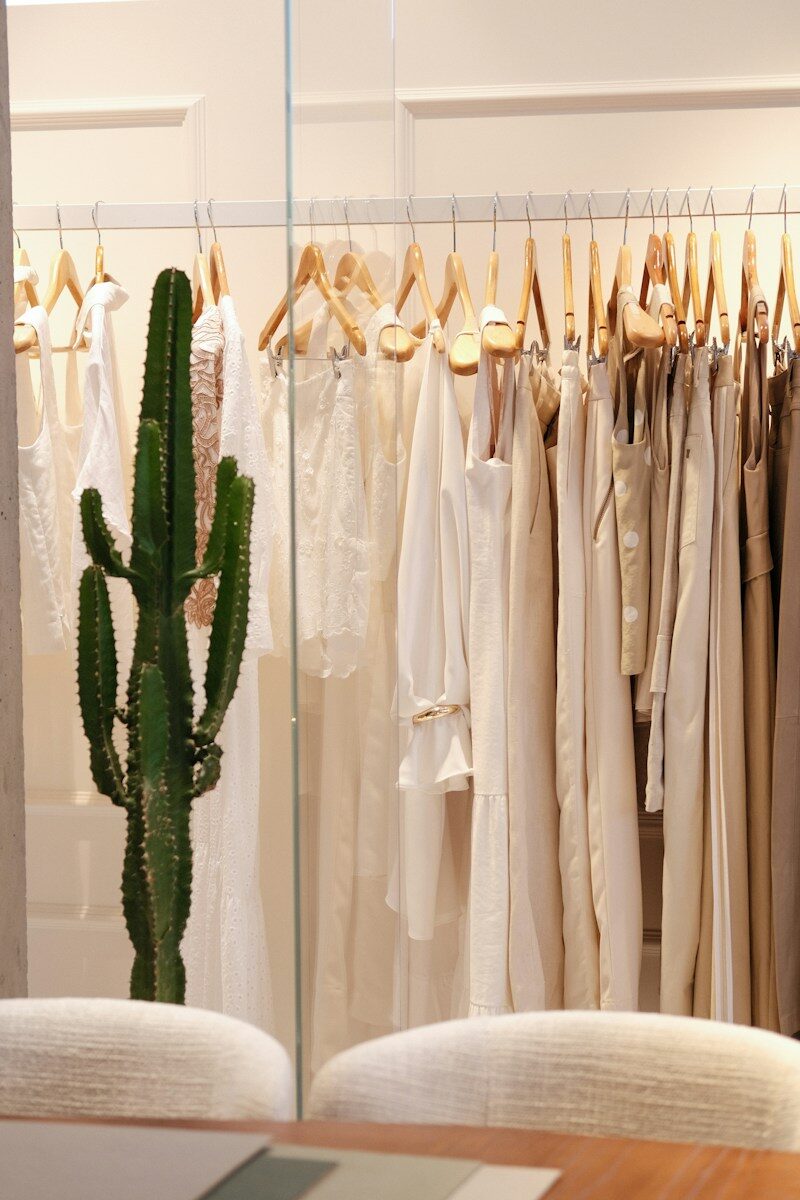
When everything is the same colour, texture becomes the main event. Broderie anglaise, lace, ribbed knit, satin, and crepe each catch the light differently, so mixing two or three within one outfit creates depth. A matte fabric paired with a glossy accessory, for instance, feels deliberate rather than flat.
It also helps to think about movement. Pleats, ruffles and fluid skirts look lovely on a dance floor, and they photograph well in motion. Stiff fabrics can look wonderful standing still but restrictive once it’s time to join in.
Finishing Touches
Accessories let you add personality without breaking the theme. Gold jewellery, tan leather, woven bags and nude or metallic heels all sit comfortably alongside white. Floral hair pieces or a straw clutch suit garden settings, while a sleek metallic bag and statement earrings suit the evening.
Colour pops work in small doses. A coral lip, an emerald earring or a bright scarf can inject energy as long as white remains the star of the show.
Dressing for Different Venues
Let the setting guide the final decision. A beach or poolside gathering suits breezy fabrics, open sandals and a relaxed silhouette. A rooftop bar or city terrace welcomes sharper tailoring and a bit of shine. Barns and country estates call for sturdier shoes and an extra layer for the evening, since temperatures tend to drop quickly once the sun goes down.
Indoor venues bring their own considerations. Bright lighting can make some fabrics look more sheer than expected, so a quick check in natural light before leaving home saves any surprises.
Hair and Make-Up
A pale outfit gives hair and make-up room to shine. Fresh skin, a soft glow and a warm lip tend to suit the palette better than heavy contouring or very dark shades, which can feel jarring against so much light. Slicked-back styles, loose waves and low buns all look polished, and they won’t compete with the neckline or any statement jewellery.
Practical Matters
White parties often involve food, drinks and sometimes grass or gravel, so a few precautions are sensible. Block heels or wedges are easier to manage outdoors than stilettos. Red wine and dark lipstick are classic culprits for marks, so choose lighter shades and keep a stain pen handy. Checking the lining is worthwhile too, since sunlight and flash photography can reveal more than expected.
The weather deserves a quick look as well. A light wrap or tailored jacket in a neutral shade handles a sudden drop in temperature without breaking the theme, and a compact umbrella in clear or cream plastic keeps things on message if clouds roll in.
A final check in a full-length mirror is worth the extra minute. Pale outfits can behave differently in natural and artificial light, and seeing the whole look from the side and back shows whether the fabric sits smoothly. Sitting down briefly to test comfort is a clever habit too, since an outfit that feels fine standing can become awkward over a long dinner.
Guests who arrive early also have a small advantage. Fewer people are around to be photographed alongside, so there’s time to settle in, find a good spot and get comfortable before the dance floor fills. It’s a simple habit, and it tends to make the whole evening feel more relaxed.
This is a collaborative post.