How to Create a Peaceful Bedroom Sanctuary
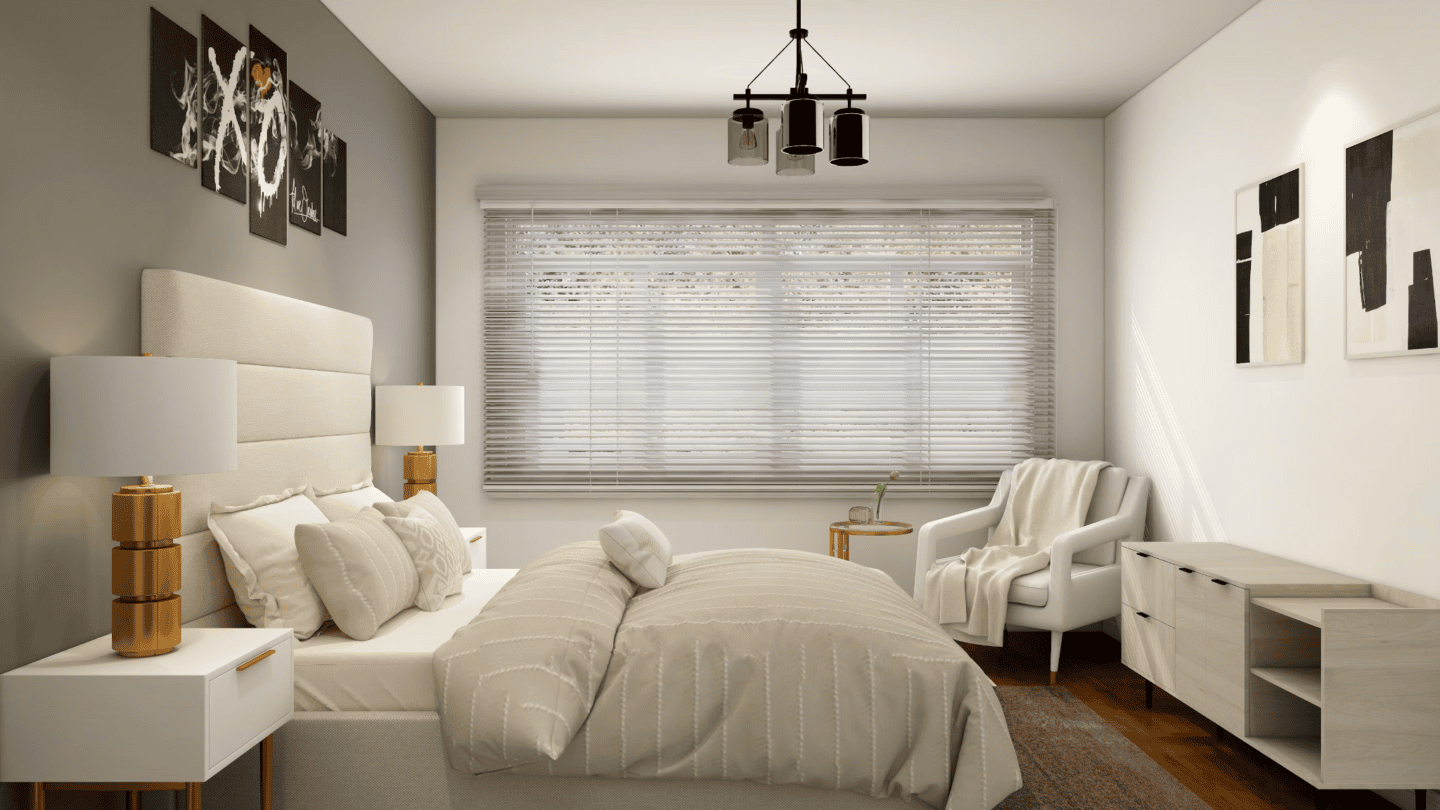
Your bedroom should be the most personal and restorative room in your home. But often, it ends up as a forgotten space, full of laundry baskets and leftover work. Turning your bedroom from a chaotic drop-zone into a peaceful sanctuary is one of the best things you can do for your overall well-being. With a few thoughtful changes, you can design a space that truly helps you switch off, recharge, and get the deep sleep you deserve.
The Importance of Sleep Space
We spend about a third of our lives sleeping, so where we rest really affects our mental and physical health. A messy, bright, or noisy bedroom can signal to your brain that it’s time to be alert, not to wind down. This can make it hard to fall asleep, lead to restless nights, and leave you feeling tired when you wake up.
When you think of your bedroom as a sanctuary, you’re treating it as a space just for relaxation. The goal is to create a bedroom sanctuary that feels like a retreat from the day’s stresses. This isn’t about expensive makeovers; it’s about making smart choices that support your need for quiet, helping you disconnect and truly recharge each night.
Light Control for Better Sleep
Controlling the light in your bedroom is one of the best ways to get better sleep. Our bodies are naturally wired to wake up with light and sleep in darkness. Being exposed to light, especially in the hours before bed, can mess with this natural cycle and make it tougher to fall asleep.
For a truly dark room, good window coverings are essential. Well-fitted blinds help block unwanted light while giving you greater control over the brightness of your bedroom throughout the day. They can reduce glare from streetlights and the early morning sun, creating a darker, more comfortable environment for restful sleep. During the day, simply adjust the blinds to let in natural light, which helps regulate your body’s internal clock. In the evening, switch off harsh overhead lights and use the soft glow of a bedside lamp with a warm-toned bulb to signal that it’s time to wind down.
Choosing Calming Colours
Colours really affect our mood, and the shades you pick for your bedroom can either energise or relax you. While bold, vibrant colours might be great for a living room or kitchen, they’re often too stimulating for a sleep space. Understanding basic bedroom design psychology can help you create a calmer atmosphere.
To make things feel peaceful, go for soft, muted colours. Think about colours you see in nature: gentle blues, soft greens, earthy beiges, and warm greys. These shades are known to be soothing and can help lower blood pressure and heart rate. You don’t have to paint the whole room; you can bring in these calming colours through your bedding, a feature wall, artwork, or soft furnishings like cushions and throws.
Decluttering for Peace
A cluttered space often means a cluttered mind. If the last thing you see before you close your eyes is a pile of clothes on a chair or a stack of papers on your bedside table, it can create a subtle feeling of stress and unease. Clearing out your bedroom is a free and super effective way to make it feel more peaceful.
Start small by clearing off all surfaces. Tidy your bedside table, leaving only the essentials like a lamp, a book, and a glass of water. Find a proper home for clothes instead of letting them pile up. If you can, move anything that isn’t about sleep or relaxation, like work laptops, exercise gear, or televisions, out of the room entirely. Creating an organised, minimalist environment helps clear your mind and sets the stage for a peaceful night’s sleep.
Creating a personal sanctuary doesn’t have to happen overnight. Start with one small change, like clearing your bedside table this afternoon, and see how it makes you feel. Your peaceful retreat is just a few simple steps away.
This is a collaborative post.