How Non-Invasive Pool Leak Detection Actually Works
Modern pool leak detection looks almost nothing like the old approach. There is no jackhammer and no guesswork trench across the yard. Today’s specialists find the exact leak first, then open only that one spot. The tools behind this are simpler to understand than they sound. This guide explains how each one works.
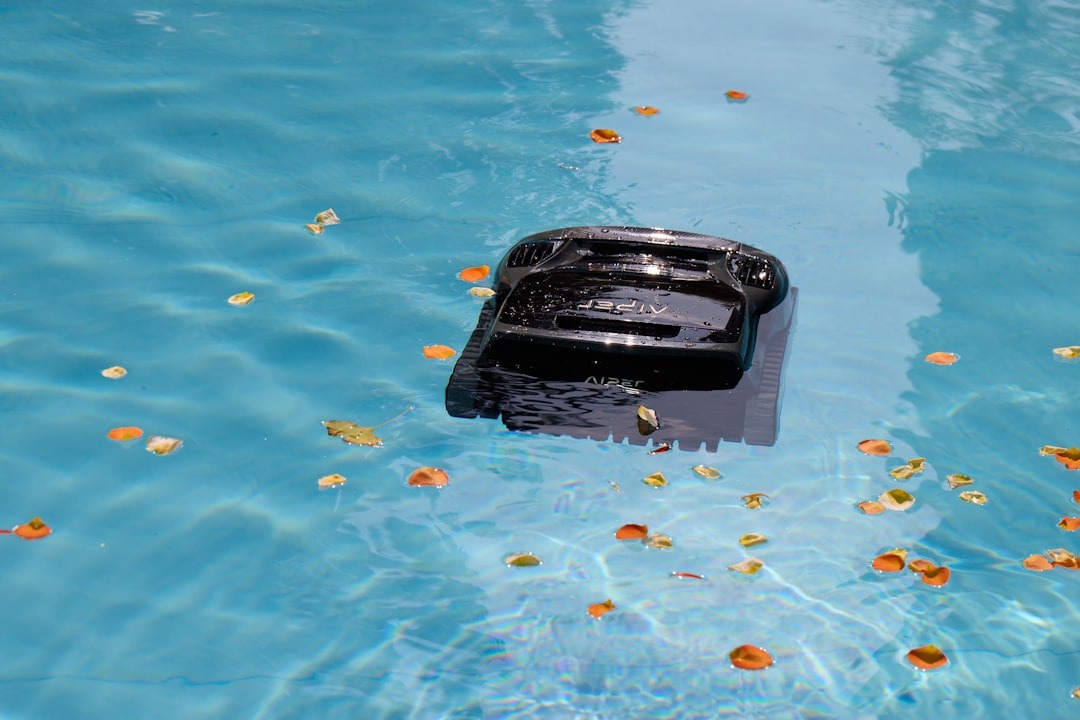
A pool can lose water for a dozen reasons, and each leaves a different clue. A team like Leak Lab az reads those clues with sound, pressure, dye, and cameras. None of these methods requires tearing up a deck to start. Instead, they narrow the search to a few inches. That precision is the whole point of non-invasive detection.
What “Non-Invasive” Really Means for a Pool
Non-invasive detection is a method that finds leaks without destruction. The technician gathers evidence from the surface first. Only after locating the leak does any digging happen. This saves the deck, the plumbing, and the budget. It also turns a multi-day job into 2 to 3 hours of work.
Water use at home adds up faster than most people realise. The USGS guide to how much water we use each day puts a single pool leak in perspective. A hidden leak can quietly waste 100 gallons or more a day. Finding it early keeps that number in check. One fix can shrink an entire summer’s water use.
How Does Acoustic Leak Detection Work?
Acoustic detection is the workhorse of the trade. Pressurised water escaping a pipe makes a faint, steady sound. Special microphones and ground plates pick up that signal. The technician sweeps the area with headphones and listens for the loudest point. That point sits directly over the leak.
The method is precise enough to locate a leak within about 12 inches. It works through concrete, plaster, and soil. Background noise is the main challenge, so testing often happens early in the morning. A skilled ear separates the leak from passing traffic and pumps. Experience matters as much as the equipment here.
What Is Pressure Testing In Simple Terms?
Pressure testing checks the plumbing rather than the shell. The technician isolates one pipe and fills it with air or water. Then they watch the pressure gauge over a set window of 15 to 30 minutes. A steady reading means the line is sound. A falling reading means that line is leaking.
Pressure testing answers a few key questions at once:
- Which plumbing line is losing water.
- Whether the suction or return side is at fault.
- How large the leak is, based on the rate of loss.
- Whether the shell or the pipes need attention next.
Pressure testing shines because it isolates the problem. Instead of guessing, the technician tests one line at a time. The failing line reveals itself by a clear pressure drop.
Dye Testing and Camera Inspection Explained
Dye testing is the close-up tool for the pool shell. The technician adds a small stream of dye near a suspected crack. If water is escaping, the dye drifts straight into the gap. This confirms a leak the eye alone might miss. It works best in still water with the pump off.
Camera inspection handles the pipes you cannot see. A small waterproof camera travels through the plumbing and sends back video. Cracks, roots, and blockages appear on the screen in real time. Pairing detection with efficient hardware helps too, and the WaterSense list of labelled products is a useful starting point. Together these tools build a complete picture.
Why Does the Right Tool Matter So Much?
No single tool finds every leak. A shell crack hides from acoustic gear but shows under dye. A buried pipe defeats dye but not pressure testing. The best teams carry all four methods and choose by symptom. The cheap ones own one tool and force every leak to fit it.
Good pool care fits into a wider home maintenance routine. Practical ideas in this guide to smart home maintenance tasks apply to a pool as much as a roof. Regular checks catch small problems while they stay cheap. A pool simply joins that seasonal list. The same logic that guides a smart renovation guides leak work too.
Frequently Asked Questions About Leak Detection Technology
Is Non-Invasive Leak Detection Accurate?
Yes, modern methods locate most leaks within inches. Acoustic, pressure, and dye testing confirm each other. A trained technician cross-checks the results. That combination is far more reliable than digging on a hunch.
How Long Does a Detection Visit Take?
Most visits run 2 to 4 hours. That covers the bucket review, the shell, and the main plumbing lines. Complex pools with many features take longer. The repair itself is usually a separate appointment.
Does Detection Damage the Pool or Deck?
No, that is the entire point of the approach. The tools read the leak from the surface. Any digging waits until the exact spot is known. Most repairs then need only a small access opening.
Can These Tools Find Leaks In Spas and Fountains?
Yes, the same methods work on any water feature. Spas, fountains, and water walls all use similar plumbing. Acoustic and pressure testing adapt to each one. A specialist tailors the approach to the feature.
Key Points On How Detection Works
- Non-invasive detection finds the leak before any digging starts.
- Acoustic gear locates escaping water by its faint, steady sound.
- Pressure testing shows which plumbing line is losing water.
- Dye and camera tools confirm cracks in the shell and pipes.
- The best teams carry all four methods and pick by symptom.
The Quiet Precision Behind a Dry Pool
The technology behind leak detection rewards patience over force. Each tool answers one question, and together they solve the puzzle. A seasonal home check, like the one outlined in this annual home MOT guide, is the perfect time to include the pool. Catching a leak early keeps the repair small and the water where it belongs. That quiet precision is what a good detection team delivers.
This is a collaborative post.