How Modern X-Ray Imaging Supports Faster and Clearer Diagnoses
Unexpected health concerns can interrupt daily life without warning. A sudden fall, lingering pain, or unexplained discomfort can disrupt even the most carefully planned day. In those moments, people want answers quickly and with confidence. Diagnostic imaging helps medical professionals see what is happening inside the body. For many patients, this step becomes the starting point for clarity, reassurance, and informed decisions.
Access to timely diagnostic care also reflects how communities support everyday wellness. In busy cities like Austin, life moves fast, and delays create frustration. Efficient imaging services help reduce wait times and confusion. This article looks at how modern X-ray technology improves speed and clarity in diagnosis. These improvements matter because they shape a more confident healthcare experience for patients and providers.
Understanding How X-Ray Imaging Works Today
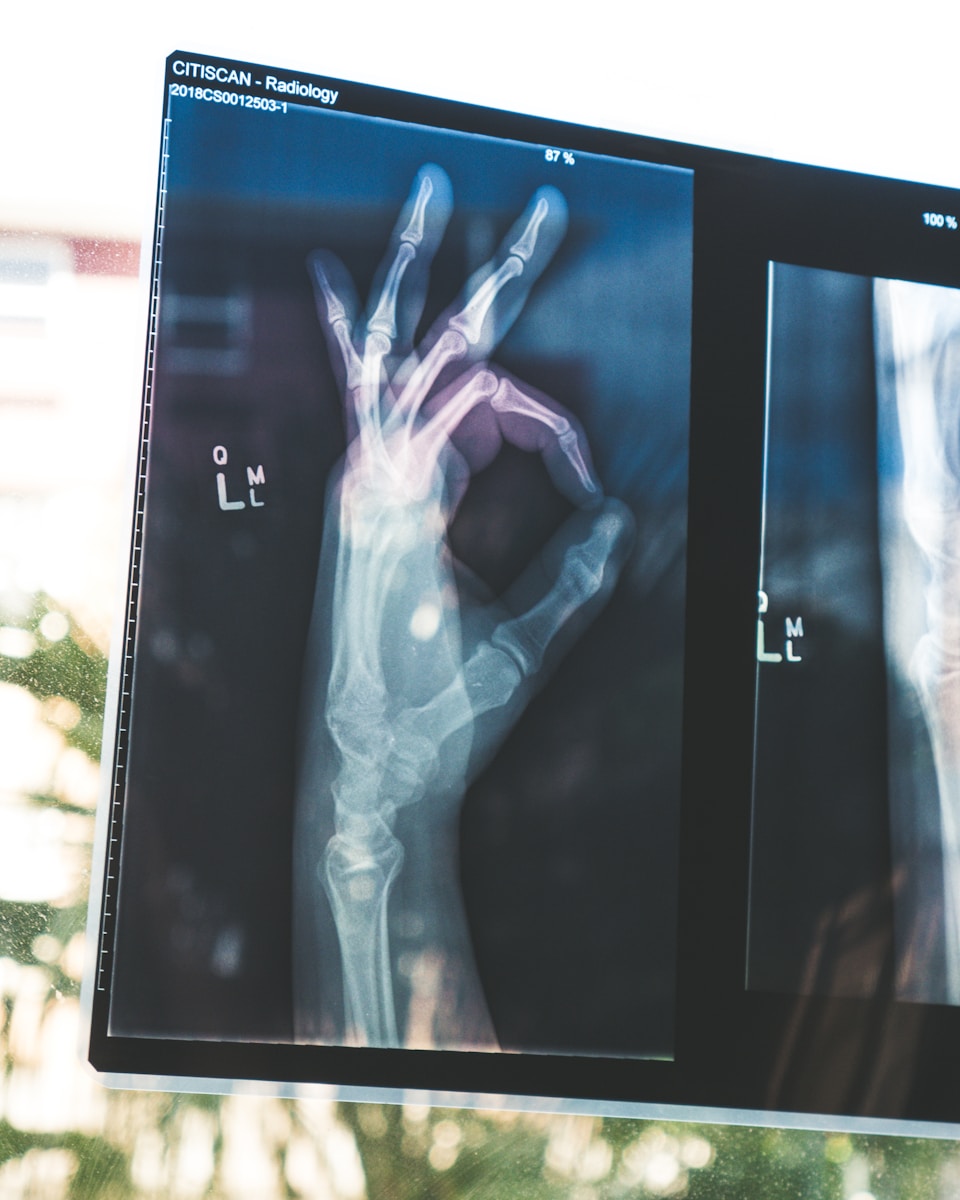
X-ray imaging allows physicians to view internal structures such as bones and certain organs. It works by using controlled radiation to capture contrast-based visuals. Dense areas like bones appear lighter, while softer tissues appear darker. This contrast helps doctors identify fractures, infections, or abnormalities quickly. While the underlying science has remained consistent, the way images are captured and processed has evolved significantly.
Today’s digital systems produce images almost instantly. This shift reduces waiting times and improves workflow efficiency. For example, access to services like xrays in Austin shows how local imaging providers have adopted updated technology to support timely and accurate diagnoses. Centres such as Longhorn Imaging focus on streamlined processes that prioritise clarity and patient comfort, allowing physicians to move from assessment to treatment without unnecessary delays. This modernisation helps physicians move from evaluation to treatment without unnecessary delays.
Advancements That Improve Diagnostic Accuracy
Technological improvements have transformed diagnostic imaging over the past decade. Digital sensors now capture sharper details while using lower radiation levels than earlier systems. This advancement enhances patient safety while improving diagnostic confidence. Clearer images allow physicians to detect subtle issues that may have gone unnoticed in the past.
Electronic image storage also plays a key role. Images can be shared securely across care teams, supporting collaboration and second opinions when needed. Faster access to high-quality visuals reduces the need for repeat scans and follow-up visits. These improvements contribute to a more efficient healthcare experience where decisions are supported by precise and reliable information.
Why Diagnostic Speed Matters for Patients
Waiting for results can feel stressful, especially when symptoms interfere with daily life. Faster imaging allows physicians to confirm or rule out concerns sooner, helping patients move forward with treatment or reassurance. Speed also supports early intervention, which may prevent minor issues from becoming more serious over time.
Efficiency matters beyond urgent situations. Routine assessments benefit from prompt results as well. For patients balancing work, family, and health appointments, reduced waiting time improves the overall experience. Faster diagnostics support continuity of care and help prevent health concerns from lingering unresolved.
The Importance of Clear and Detailed Results
Clarity plays a critical role in medical decision-making. High-resolution results help physicians distinguish between conditions that may appear similar at first glance. This precision reduces uncertainty and supports appropriate treatment planning. Clear visuals also minimise the need for additional testing.
Accurate results benefit long-term care too. When follow-up scans are needed, consistent detail allows providers to track changes over time. Patients gain reassurance knowing decisions are based on reliable information. Confidence in the diagnostic process strengthens trust and improves overall satisfaction with care.
Comfort and Patient Experience During Imaging
Modern imaging prioritises patient comfort alongside technical performance. Shorter scan times help reduce physical discomfort and anxiety. Clear communication before and during appointments allows patients to feel informed and at ease. These factors make the process more approachable for people of all ages.
Facilities also focus on creating welcoming environments. Organised scheduling, attentive staff, and efficient workflows contribute to smoother visits. When diagnostic procedures feel less intimidating, patients are more likely to seek care promptly. This comfort supports proactive health habits and better outcomes over time.
Supporting Community Health Through Local Access
Local access to diagnostic services plays an important role in community wellness. When imaging is available nearby, patients can address concerns without long travel or extended delays. This accessibility supports earlier diagnosis and consistent follow-up care.
Community-focused clubs strengthen the connection between advanced technology and everyday health needs. By offering reliable and efficient services, they help residents stay informed and proactive. Local availability reinforces continuity of care and ensures modern diagnostic tools remain part of daily healthcare decisions.
Conclusion
Modern X-ray imaging supports faster and clearer diagnoses through improved speed, precision, and patient comfort. Advances in technology reduce uncertainty and support confident medical decisions. When combined with local access and thoughtful care environments, this approach becomes a reliable part of everyday health management. Understanding these benefits empowers individuals to approach healthcare with clarity, confidence, and peace of mind.
This is a collaborative post.