How Better Workspaces Can Improve Business Performance
The way that a workplace looks and functions affects more than just the appearance; it actually has an impact on how employees work, how clients see the company, and how productive meetings become.
Many businesses focus heavily on marketing, recruitment, and technology while overlooking the physical environment that employees spend most of their time in every single day. But office design, layout, and functionality all influence performance in ways that are very easy to underestimate.
A workspace that feels outdated and poorly organised can reduce motivation and create unnecessary distractions for anybody working in an office. On the other hand, a clean, modern environment helps to improve focus, communication, and professionalism. That’s why more businesses are now starting to invest in workplace improvements rather than treating office design as just an afterthought.
Office Design Influences Productivity
Employees work better in spaces that are designed for comfort and efficiency.
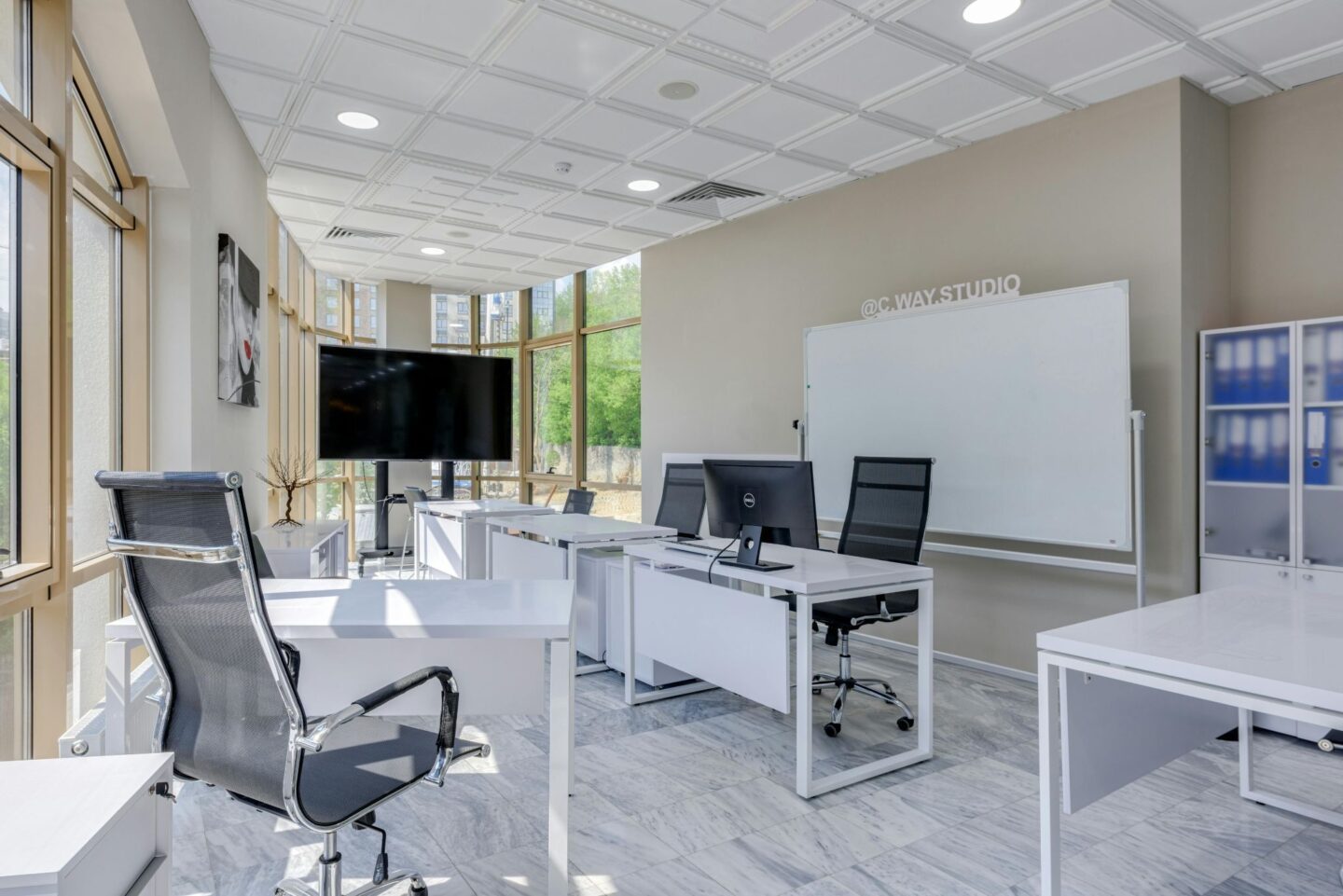
Poor lighting, cramped meeting rooms, uncomfortable furniture, and noisy layouts make it harder for teams to concentrate. Over time, these small frustrations affect morale and productivity. Modern office spaces now place more attention on flexibility, including areas for collaboration, quiet work, and private meetings, without making the office extremely overcrowded.
Natural light, better acoustics, and practical layout contribute to a more positive working environment.
Companies planning larger upgrades and investing in commercial property refurbishment can completely transform how the workspace functions. Their refurbishment projects often improve energy efficiency, modernise layouts, and create environments better suited to hybrid working and changing business needs. These improvements are not just cosmetic; they also help to support stronger daily operations across the whole business.
Better Meetings Start With Better Planning
Meetings are another area where businesses lose large amounts of time. Many employees spend hours in meetings that lack structure, clear goals, or proper preparation, which often leads to repeated discussions happening without there being any meaningful outcomes.
Businesses looking to make meetings better usually see the biggest improvements by simplifying the process. A short agenda helps teams stay focused, clear action points prevent confusion afterwards, and limiting unnecessary attendees makes conversations far more productive. The meeting environment is really important too.
Crowded rooms, unreliable technology, and constant interruptions quickly reduce concentration. A properly designed meeting space encourages clearer communication and more effective collaboration. This becomes even more important if you are dealing with hybrid teams, where sometimes people join remotely.
Workplace Improvements Support Company Culture
The physical workplace also affects company culture; employees often associate office quality with how much the company values its staff. A well-maintained workspace sends a strong message that many businesses don’t realise.
People tend to feel more motivated in environments that support comfort, organisation, and professionalism, which can improve collaboration and employee retention over time. Clients notice these little details too.
A modern office creates a stronger first impression during things like presentations, meetings, and interviews, and it reflects how a business operates internally.
Conclusion
Businesses perform better when their workplaces support the people using them every day.
Modern office design, structured meetings, and practical workspaces contribute to stronger productivity and communication. Even small changes can improve how teams collaborate and how clients experience the business.
Companies that invest in both their people and their working environment are often better positioned for long-term growth and stability.
This is a collaborative post.